HeyGen Real Time Conversational Avatars: 2026 Review and Verdict
HeyGen's real time avatars are now a separate paid product called LiveAvatar. Here is what it costs in 2026, what it does well, and how Argil compares.
We’ve just built the most complete FREE resource to use AI avatars in your business. We’ve centralized 50 use cases across 4 categories (Personal Branding, Marketing and Sales, Internal and Enterprise, and Educational and side-hustles). You can access it here NOW. Enjoy :)
What Are HeyGen Real Time Conversational Avatars Like in 2026?
The short answer: HeyGen’s real time conversational avatars are no longer part of a regular HeyGen plan. In November 2025, HeyGen spun the feature out into its own product called LiveAvatar, with its own app, documentation and pricing. The first paid tier now starts at $99 a month, well above the $29 a month people expect after reading about HeyGen’s older Creator plan. If you want a conversational, real time avatar for live back and forth conversation, LiveAvatar is the current version of the product this article reviews. If you want a hyperrealistic avatar for scripted content, like talking head videos, UGC ads or weekly updates, Argil is built specifically for that and remains the simpler route.
HeyGen real time conversational avatars have been through a lot of change since they first launched. In this article, we’ll walk through what the product looks like today, what it costs, and whether it’s still worth considering next to AI avatar generators offering multilingual support more broadly, including Argil.
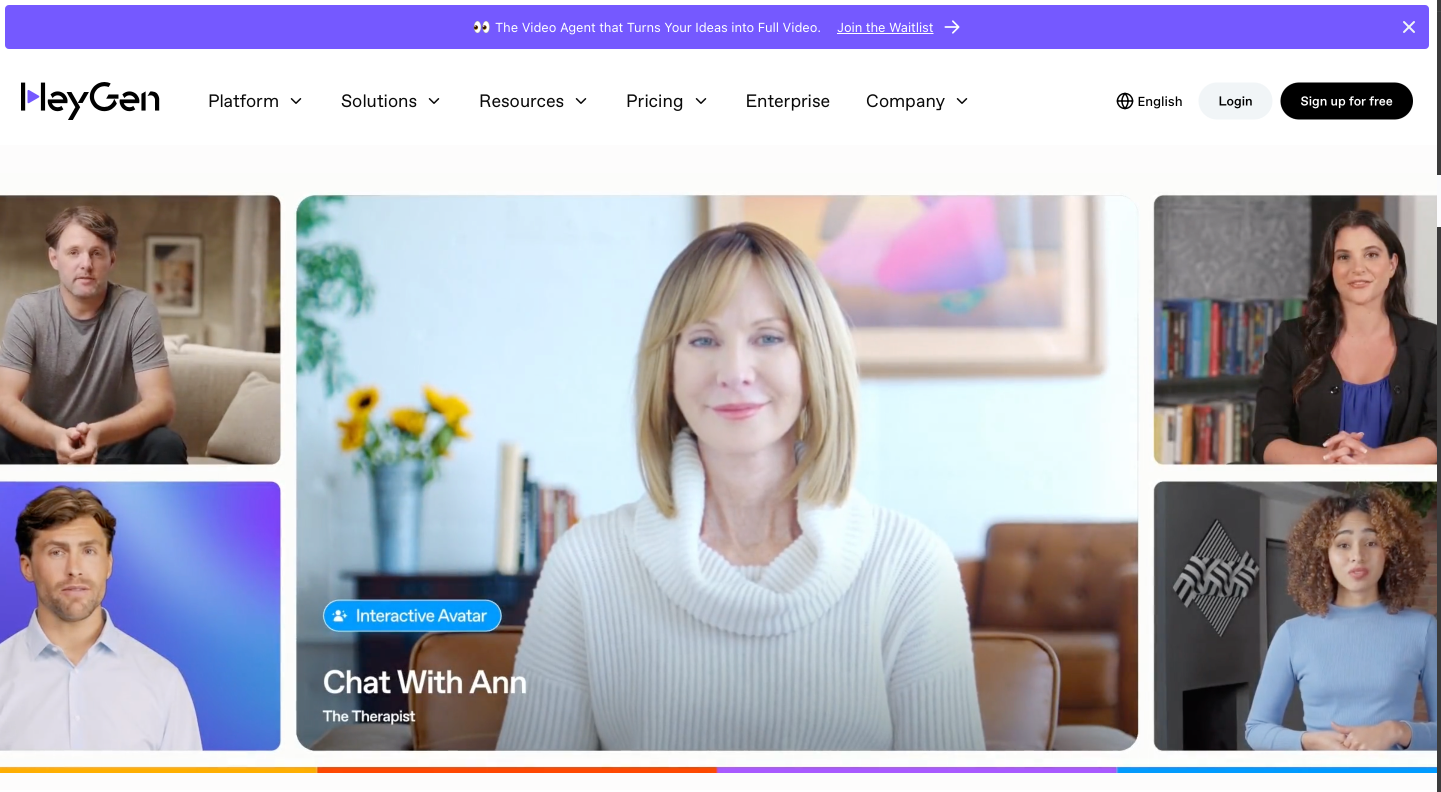
HeyGen’s Interactive Avatar Is Now LiveAvatar
If you’ve searched for HeyGen’s real time conversational avatars before, the first thing to know is that the product moved. HeyGen rebranded Interactive Avatar as LiveAvatar in November 2025 and gave it a separate home, away from the main HeyGen video generator you might already use for scripted avatar videos.
LiveAvatar is a real time avatar streaming product. It renders full body or half body avatars with sub 300ms median time to first frame, and it can run in two modes: a "Full Mode" with the entire voice stack included, or an "Avatar Only" mode where you bring your own LLM and text to speech provider. There are more than 100 preset avatars to choose from, or you can build a custom one from a single image or two minutes of footage.
This matters for anyone comparing tools today, because older reviews (including earlier versions of this one) describe interactive avatars as a line item inside HeyGen’s Creator plan. That’s no longer accurate. Real time conversation is now priced and sold separately.
Key Features of HeyGen’s Real Time Avatars (LiveAvatar) Today
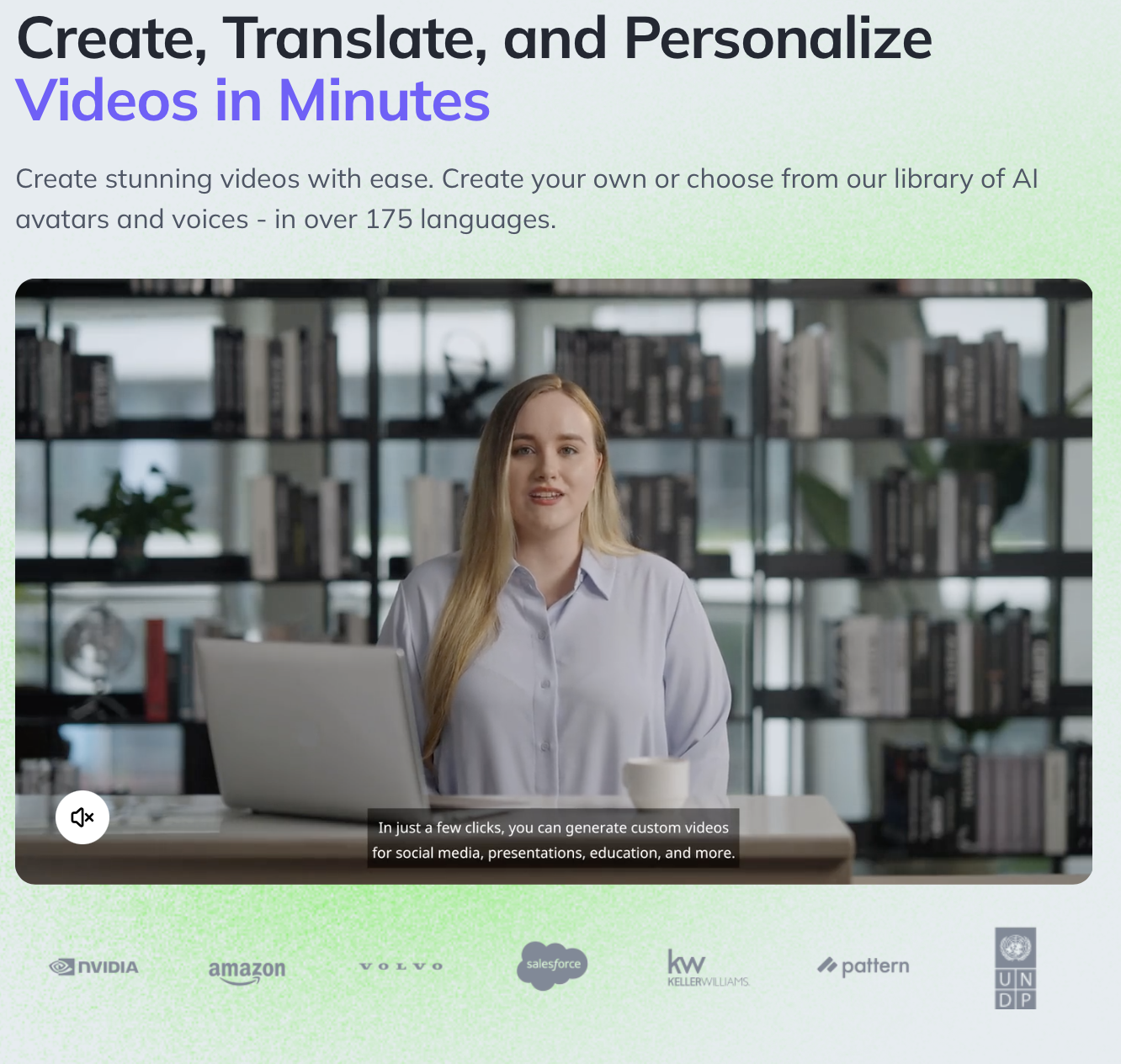
LiveAvatar can hold unscripted, two way conversations and respond to spoken questions in real time, which is the core difference from a standard avatar video generator. Depending on the mode you choose, it supports a custom LLM and knowledge base, so the avatar can be trained to answer questions specific to your product or brand.
Current features include real time streaming at scale (unlimited concurrent sessions on paid tiers), 100+ preset avatars plus custom avatar creation, 99.99% API uptime, and integration options for teams that want to plug the avatar into an existing support or sales stack.
Current Limitations
The biggest limitation in 2026 is the price, not the technology. A single session proof of concept on the free tier is fine for testing, but any real use case needs the Essential plan at $99 a month, and teams running meaningful volume will need the $475 a month Business tier or custom Enterprise pricing.
Beyond cost, the same complaints that applied to the original Interactive Avatar still come up: avatars can sound stiff compared to a human presenter, responses occasionally drift off topic in longer conversations, and quality in languages other than English is less consistent than HeyGen’s marketing suggests.
There’s no doubt real time conversational avatars are a real step forward in AI video technology. But for most content creators and marketers who want a consistent, on brand video presence rather than a live chat interface, a scripted avatar tool is still the simpler fit, and significantly cheaper.
The Rise of AI Influencers and The UGC Revolution
AI influencers are built using AI avatar generators offering multilingual support. These tools allow brands and content creators to post online 24/7 without the constraints of traditional content production. The rise of these expressive, realistic avatars means human creators can create videos without spending hours in front of a camera or manually editing their content.
Unlike the static, robotic personas of previous generations, AI avatars are now extremely advanced and hyperrealistic, allowing creators to localize, personalize and repurpose content in minutes rather than hours.
AI influencers like Lil Miquela and Shudu have built real followings and landed paid campaigns with top tier brands (Prada and Calvin Klein for Miquela, Balmain and Fenty Beauty for Shudu), proving a marked shift away from the traditional influencer economy and towards scalable AI clones and avatars that can work while you sleep or get on with your day. For a closer look at which platforms creators are actually using for this kind of work, see our roundup of the best AI avatar services for influencer content in 2026.

The success of these digital influencers shows that Gen Z and younger audiences are open to AI generated content, as well as its creative and storytelling abilities.
Creators are also turning to AI avatar generators offering multilingual support as a solution to influencer fatigue. With so many people trying to monetize their content online, competition is fierce, with the most prolific creators posting multiple times a day. Without endless time and resources, trying to keep up with audience demand can be a one way ticket to burnout, which many are now realizing.
This is all changing, thanks to tools like Argil and HeyGen. Now it’s possible to automate the process of video production, turning a single text prompt into a fully edited video in under ten minutes.
Creating an AI clone allows you to share content around the clock with a few clicks of a button, instead of spending hours filming and reshooting videos. Not happy with a scene or want to change an outfit or branded message? You can edit your video in seconds rather than having to start filming all over again.
Argil’s AI avatar generators offering multilingual support also facilitate A/B testing and batch processing to help you create content faster and more efficiently. Our AI will get to know your brand’s style and tone of voice, as well as what hooks and CTAs work with your audience, to help you improve your videos over time.
HeyGen Real Time Conversational Avatars vs Leading Competitors
HeyGen (LiveAvatar)
HeyGen’s real time avatars, now sold as LiveAvatar, are built for live, two way conversation rather than polished scripted video. That makes them a reasonable fit for simple interactive use cases like customer support widgets or FAQ bots, and HeyGen’s customer support is good, which helps larger teams getting started.
For personality driven or UGC style content, though, LiveAvatar isn’t really the right tool. Avatars can still be stiff and a little robotic in longer exchanges, there’s no editing suite for producing polished video content, and the pricing (starting at $99 a month once you’re past the single session free tier) is built around support and sales use cases, not content production budgets.
HeyGen’s standard video plans sit separately from LiveAvatar, so a team that wants both scripted video and live conversation is buying two products and two sets of credits. HeyGen does cover the scripted side, with AI B-roll and script variants you can A/B test, and Argil covers the same ground, including turning newsletters and articles into video, inside one plan. For a broader side by side of where each platform fits, see our comparison of HeyGen, Synthesia, Argil, D-ID, Veo 3 and Sora.
Synthesia
Synthesia is among the most popular AI avatar generators offering multilingual support. The tool specializes in high quality digital personas for training and educational applications, and since Synthesia 3.0 it also runs real time, two way conversation through its Video Agents, its Sessions platform and an Interactive Avatar API, so it now overlaps with LiveAvatar rather than sitting outside that category.
Best for larger enterprises, Synthesia has a wide range of templates and branding features to choose from, but sometimes lacks the realism and production value of Argil.
D-ID
Another well known alternative, D-ID offers avatar generation and lip syncing, and its Visual Agents product runs real time conversations too, so it competes with LiveAvatar head on. D-ID can also be integrated with other tools like Canva and PowerPoint, making it useful for business applications.
Argil
Unlike HeyGen’s LiveAvatar, Argil was designed specifically for content creators, built around realism and workflows creators actually use. It’s among the most reliable and advanced AI avatar generators offering multilingual support.
While HeyGen’s older avatar lineup is often reported to have inconsistent lip-sync and robotic delivery, Argil’s avatars offer precise lip-sync and hyperrealism. We’ve recently released our state of the art avatar model, with improved expressiveness and syncing.
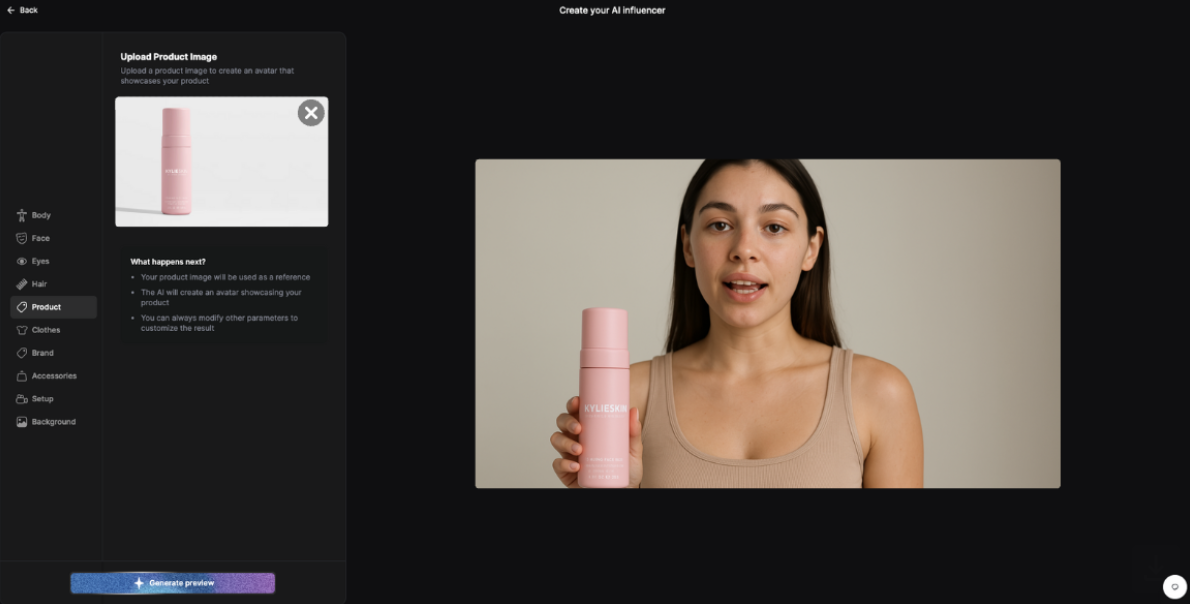
These new and improved avatars can be applied to different settings, such as walking down the street or working out, so they’re well suited to lifestyle content and UGC. They can even hold and wear branded products.
Lastly, Argil lets you create videos in over 30 languages and dialects, making it easy to build content for several regional channels from a single script, or establish a global presence across multiple platforms.
Advanced Use Cases for Real Time Avatars and AI Clones
Interview Videos
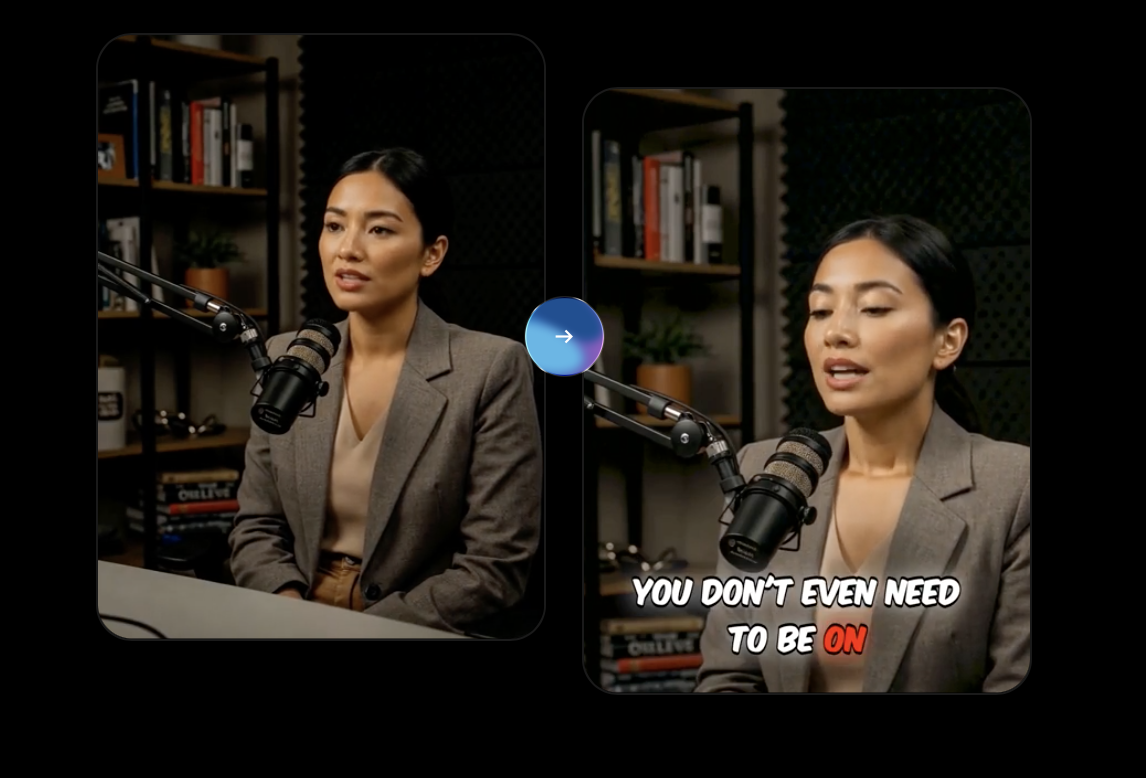
Entrepreneurs and content creators can establish authority in their niche or market by generating weekly interviews starring AI avatars.
Using AI avatar generators offering multilingual support, you could create your own digital twin and be interviewed by another avatar for a video series. You can either write your own avatar script or generate one from a text prompt, article or PDF.
Weekly Tips and Updates
If you’d rather create talking head style videos with a single avatar, you could use the Make.com x Argil integration to build a custom weekly tips workflow.
Make will set a prompt for your AI agent or OpenAI software to search the web for weekly updates or tips in your industry, then automatically create a video using your avatar. These videos can be shared in newsletters, embedded into blogs or shared on social media to help you establish authority in your niche.
Personalized Sales Videos
Brands and businesses can generate avatar led sales outreach videos using custom AI clones or avatars, personalized with names and custom intros.
For 1:1 sales, personalization is extremely important, but founders don’t have time to film an outreach video for every new prospect. With Argil, you don’t have to. You can automatically generate personalized sales videos for each new prospect to help you stand out in crowded inboxes.
Product Updates
With AI avatar generators offering multilingual support, like Argil, you can easily turn changelogs or feature update documents into quick video explainers for your audience. You can then share these on your FAQ page or embed them into product launch emails to reduce customer queries and make your product more accessible.
Why Argil’s Agentic Approach Outperforms Conversational Avatars
There are two reasons why Argil outperforms HeyGen’s real time avatars for content creators: our agentic approach and our hyperrealistic avatars.
Agentic Approach
Argil’s content agent works differently to HeyGen’s avatar tools, which require you to manually build and operate a conversational session. Our platform handles the entire video production process, from script generation to editing and distribution, with no learning curve or additional tools needed.
Our agentic AI also learns with you, helping to improve your content in response to performance data and current social media trends.
Realistic Avatars
Our hyperrealistic avatars were already well ahead of other competitors, and our newest model is even more capable.
Argil’s V2 avatars have much better control over gestures, facial reactions and lip-sync. You can also create content in over 30 languages using a single avatar, and duplicate or localize content in one click.
HeyGen’s real time avatars are a reasonable choice for live, interactive business applications, but they’re not built for the kind of consistent, scripted content creators need, which is exactly what Argil’s AI clones were designed for.
HeyGen Pricing in 2026
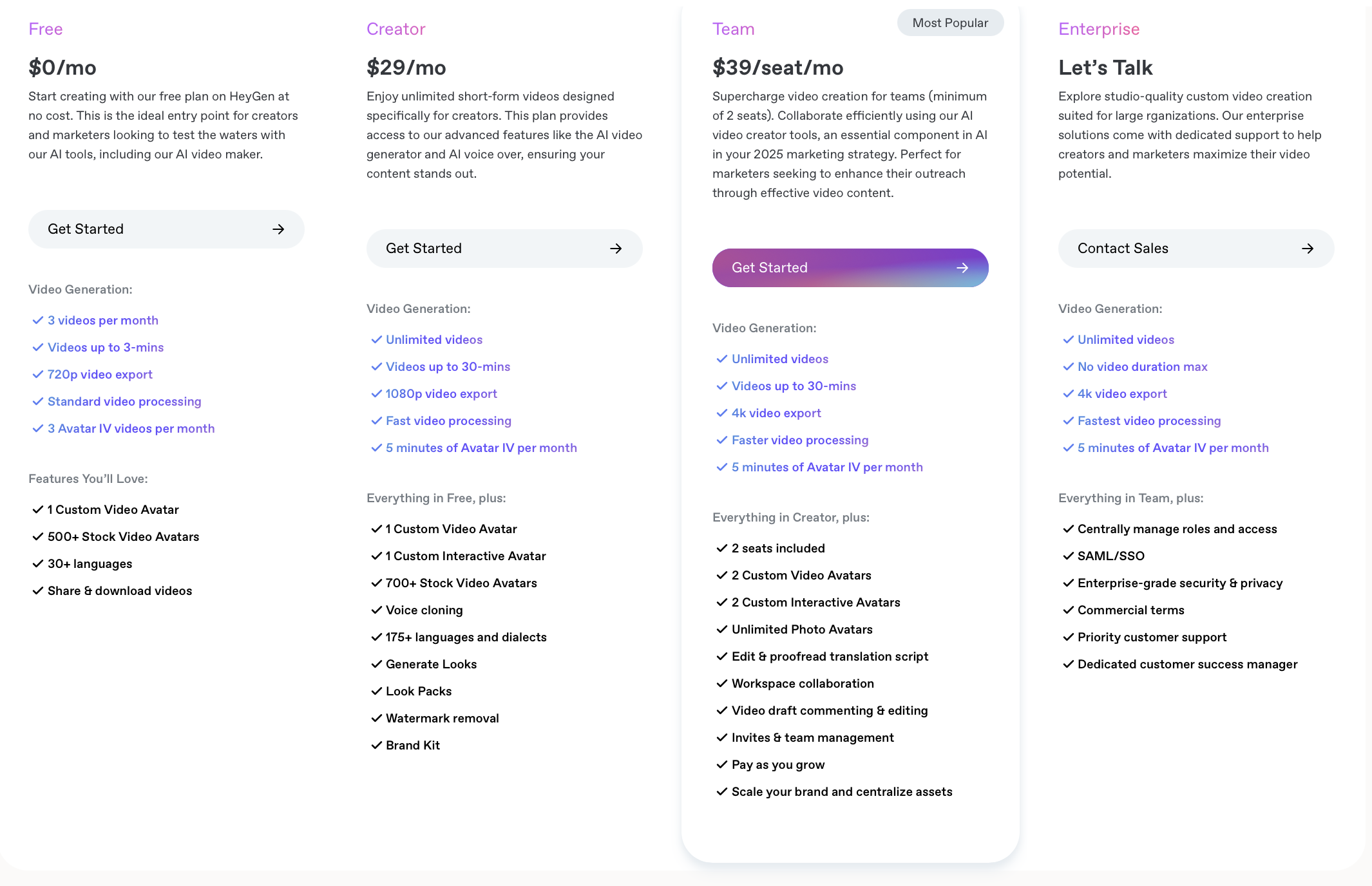
HeyGen’s standard video plans and its LiveAvatar product are priced separately now, which is the single most important update for anyone comparing costs.
HeyGen’s regular avatar video plans:
- Free: $0/month, 3 videos a month, 1 minute max each
- Creator: $29/month, 600 credits, videos up to 30 minutes, 1080p export, voice cloning, 175+ languages
- Pro: $49/month, 1,000 credits, 4K export, all advanced AI models
- Business: $149/month plus $20 per extra seat, 1,500 credits, videos up to 60 minutes, 5 custom avatars, team collaboration
- Enterprise: custom pricing
LiveAvatar (real time conversational avatars):
- Free: $0/month, 10 credits, 1 concurrent session
- Essential: $99/month, 1,100 credits, unlimited concurrency
- Business: $475/month, 6,000 credits
- Enterprise: custom pricing, falling to roughly $0.01 per minute at scale
In other words, the "1 custom interactive avatar" that used to be bundled into HeyGen’s $29 Creator plan is gone. Real time conversation is its own paid product on top of whatever video plan you’re already running. For a fuller breakdown of how HeyGen, Argil and the rest of the market stack up on price, see our 2026 pricing comparison of leading AI avatar services.
Argil, by contrast, doesn’t split its avatar features across two products and two credit pools the way HeyGen now does. Current tiers are on the Argil pricing page.
What’s the Impact of Real Time Avatars on Content Creation?
There’s no doubt that tools like HeyGen’s LiveAvatar (AI avatar generators offering multilingual support) are shifting how businesses, entrepreneurs and content creators communicate.
HeyGen has positioned real time, highly personalized avatars as a replacement for impersonal chatbots and automated responses. That’s a reasonable pitch for customer facing or educational use cases, where live interaction genuinely adds value.
But for most content creators, real time avatars solve a different problem than the one they actually have. Creators need reliable, streamlined tools that produce consistent, on brand video at volume, not a live chat interface priced like an enterprise support tool.
AI video generation tools like Argil are built for that problem specifically, because they solve something every creator deals with: video production is expensive and time consuming.
Using Argil, you can create videos in under 10 minutes, complete with automatic B-roll, background music, hyperrealistic avatars, visual transitions and captions, without the extra costs and manual steps that come with HeyGen’s current product split.
Argil’s Standout Features
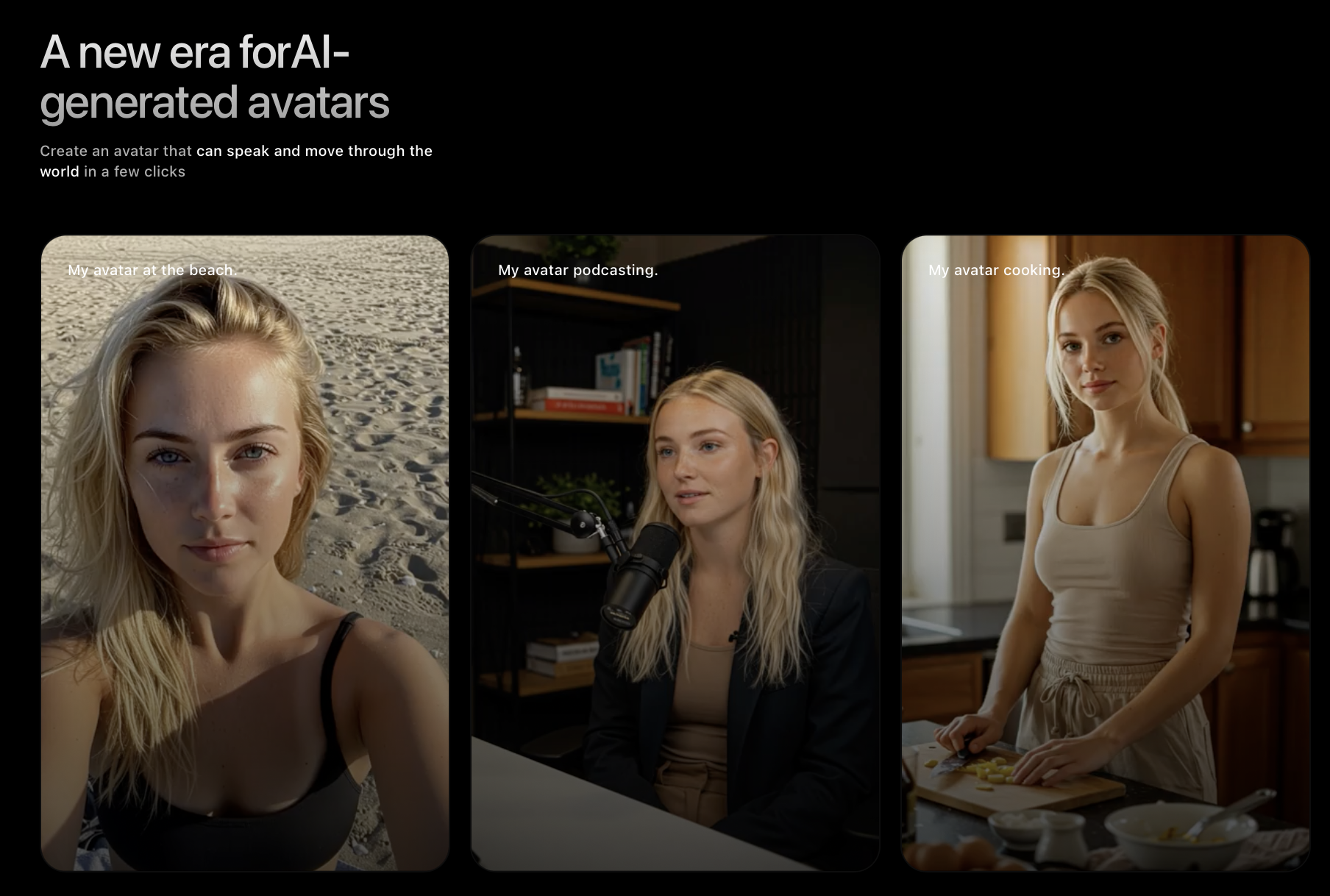
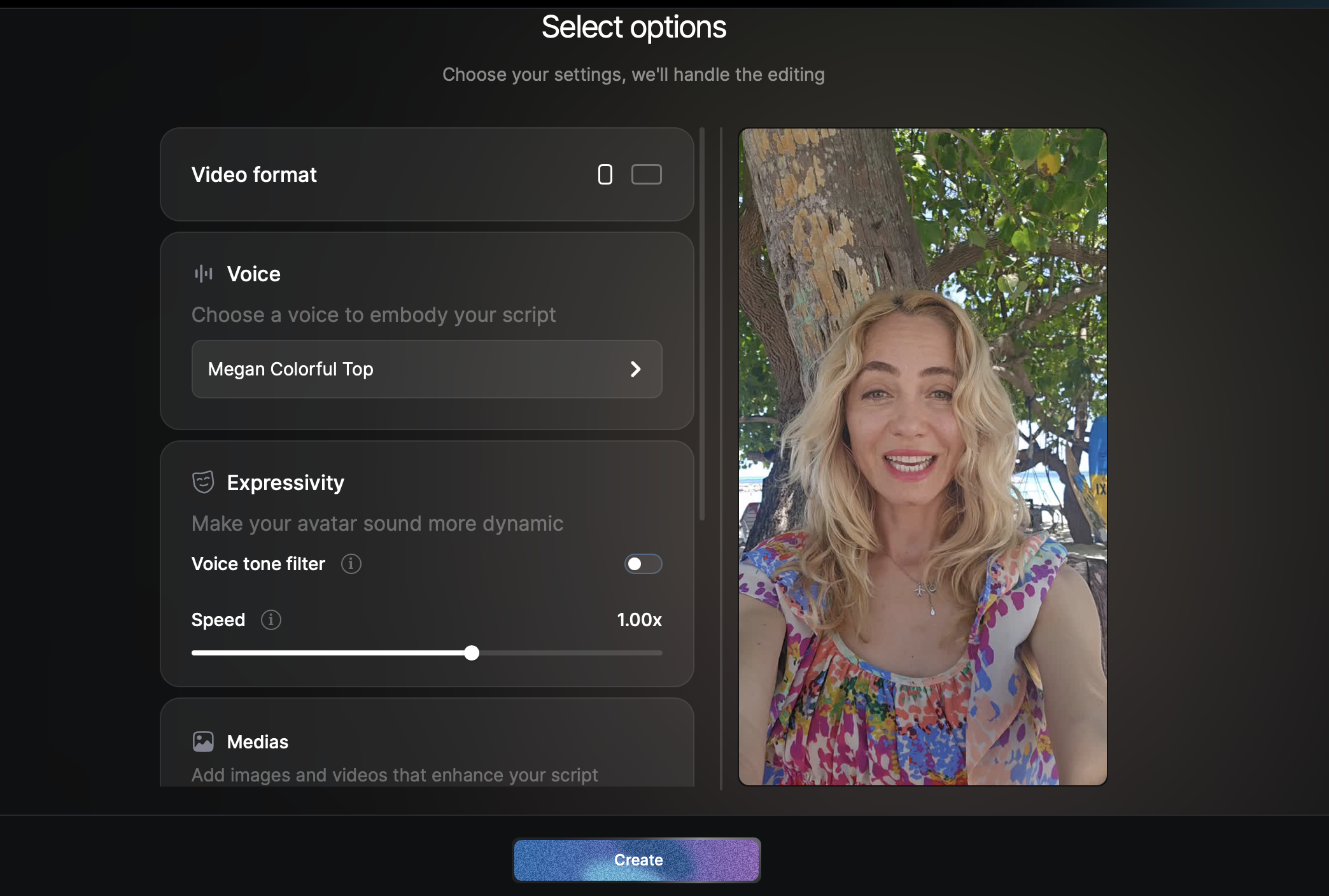
Our avatars have much better control over gestures, facial reactions and lip-sync than most AI avatar generators offering multilingual support. They also pause to create more natural speech rhythms and can operate in complex settings, such as walking down the street or working out.
We’ve also added a new wave of base avatars with improved lip-sync, including doctors, lawyers, educators and specific UGC influencer style avatars, so whatever your brand or niche, you can create video content without a camera. Just add a text prompt and we’ll generate a script for your avatar to perform.
At Argil, we regularly ship customer requested features. Recent updates include the ability to create content in over 30 languages with a single avatar, one click content duplication and localization, bulk script upload, and syncing with cloud storage platforms like Google Drive and Dropbox.
Agentic Approaches: The Future of Avatar Technology?
HeyGen’s LiveAvatar is a strong fit for live scenarios like customer support and education, but it isn’t really intended for content creators.
Even if creators wanted to use real time avatars in their videos, they’d still need separate tools for planning, editing and distributing social media content, which can fracture workflows and cause inconsistent outputs.
Argil’s agentic co-pilot is the alternative to stitching single function tools together. In a matter of minutes, our platform handles every step of video production, from script generation to avatar performance, automatic editing, optimization and distribution.
This workflow can also be integrated with other content management tools using a no code automation platform like Make.com. If you’re looking to post more consistently and scale your platforms or business, a custom agentic workflow will help you create more without investing heavily in tools or burning yourself out.
For a comprehensive AI agent that acts as a co-pilot in your content journey, generating and editing videos automatically, sign up for Argil today.