Personal Brand Examples That Actually Drive Business (and What AI Changes Next)
Want to grow your online business or social media presence? Here’s our top personal brand examples to inspire success.

Personal Brand Examples of Success: Can It Actually Work?
If you're searching for personal brand examples online, you're probably inspired by the success of others and you’re trying to figure out how to make it work for you.
Maybe you're a founder who knows you should be posting more to make your business more visible, or a consultant watching competitors land clients through LinkedIn, too time-strapped to create content yourself.
Personal branding can and does work, but the best personal brand examples aren't about perfect aesthetics or going viral. It’s all about showing up consistently in a way that drives real business outcomes without seeming inauthentic.
In this article, we’ll show you how to build a personal brand in 2026 using AI-driven tools to enhance success. Let’s dive in!
What Actually Is a Personal Brand?
Before we get into successful personal brand examples, let’s confirm what a personal brand actually is.
A personal brand is a consistent public presence that tells people who you are, what you know and who you help. If you run a business, your personal brand is an extension of this and is essential to driving leads, sales or customers.
People trust people. They don’t necessarily trust businesses or large corporations. When someone Googles your name or scrolls LinkedIn hoping to interact with your business, they want to see that you know what you’re talking about, that you are credible, authentic and authoritative in your chosen niche.
The trust you build through your personal brand isn’t just a networking tool either – it actually drives real business results such as inbound leads, speaking gigs, investor interest and even job offers.
But the problem isn’t whether personal branding is effective. We know it is. The problem is that busy people don’t have time to create lots of content.
This is where AI tools like Argil come in, changing the game for time-poor creators, entrepreneurs and founders who need fast video production for social media that doesn’t compromise quality or business values.
Real Personal Brand Examples Across Different Roles
To demonstrate how effective successful personal branding can be, here are some real personal brand examples across different niches and sectors.
Founders Who Build in Public
Alex Hormozi posts daily about scaling businesses and acquisition strategy. Every video he shares is there for a reason: to build authority, attract talent or generate B2B leads. His content manages to be both inspiring and a lead-generation machine.
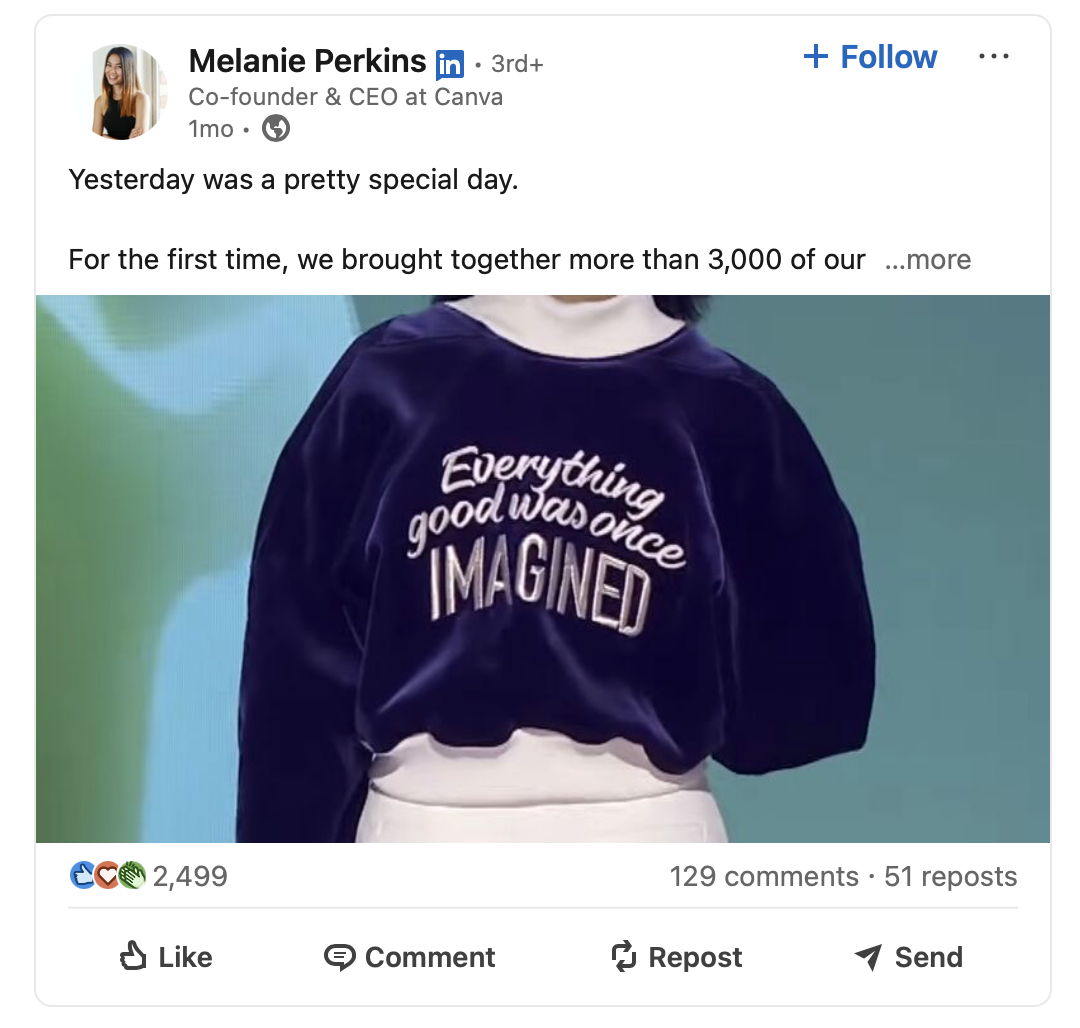
Melanie Perkins from Canva takes a different approach. She doesn't post constantly, but when she does, it’s with purpose: product launches, vision updates, company milestones. Her content strengthens investor confidence and reinforces Canva's mission.
Solo Professionals Driving Inbound Leads
Real estate agents on TikTok are also sharing personal brand examples of pure lead generation, such as property walkthroughs, market updates, and housing tips.
These posts build local visibility and fill their pipelines with qualified leads who've already seen their expertise.
Creators Monetizing Knowledge
Marie Poulin built her brand around Notion productivity to help founders use the tool effectively and avoid burnout. She shares weekly tutorials, live sessions and courses with her audience. She owns her niche so completely that the term "Notion expert" means her.
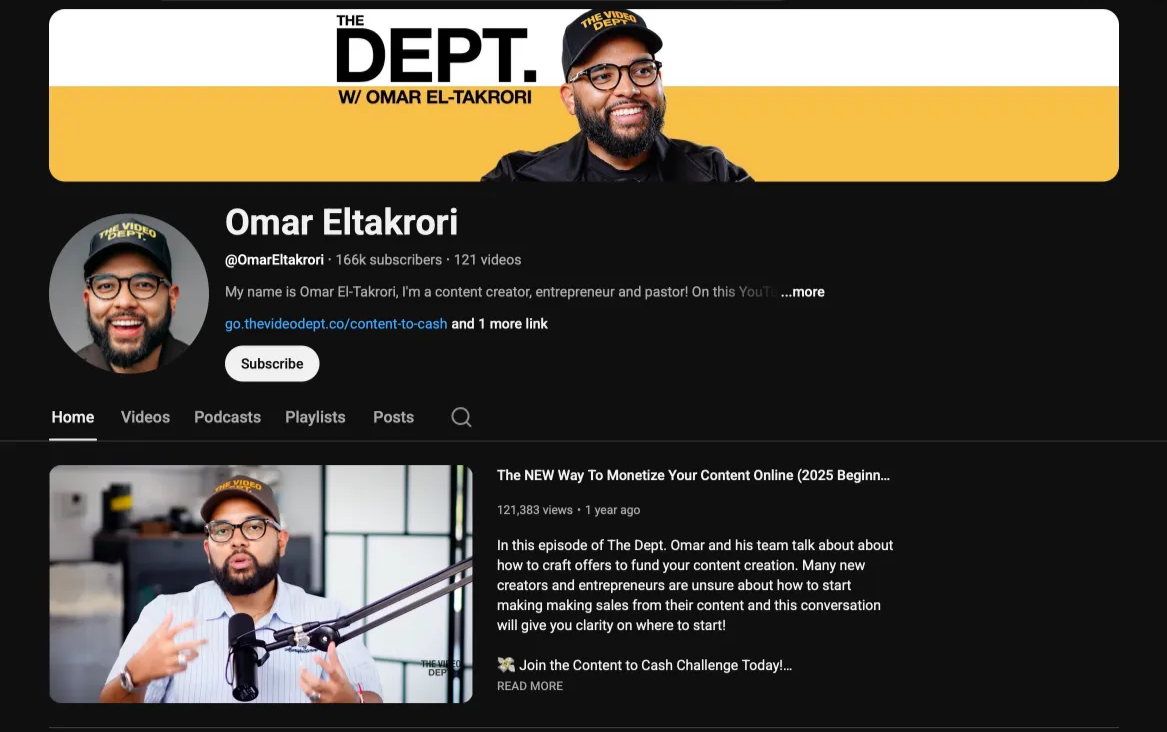
Omar El-Takrori teaches video production through YouTube to his 166K subscribers. His high-frequency posts drive workshop sales, courses and affiliate revenue.
The pattern across all these personal brand examples is consistency, choosing a clear niche and creating content that does a specific job for the business, rather than just posting for the sake of it.
How AI-Driven Tools Level the Playing Field
Where business leaders were once too busy to create their own content, AI-driven tools like Argil have filled that gap in the market, levelling the playing field for content creators everywhere.
Now, you don’t need hours of filming time or any fancy editing tools, lighting or microphones. All you need is your phone, a laptop and Argil.
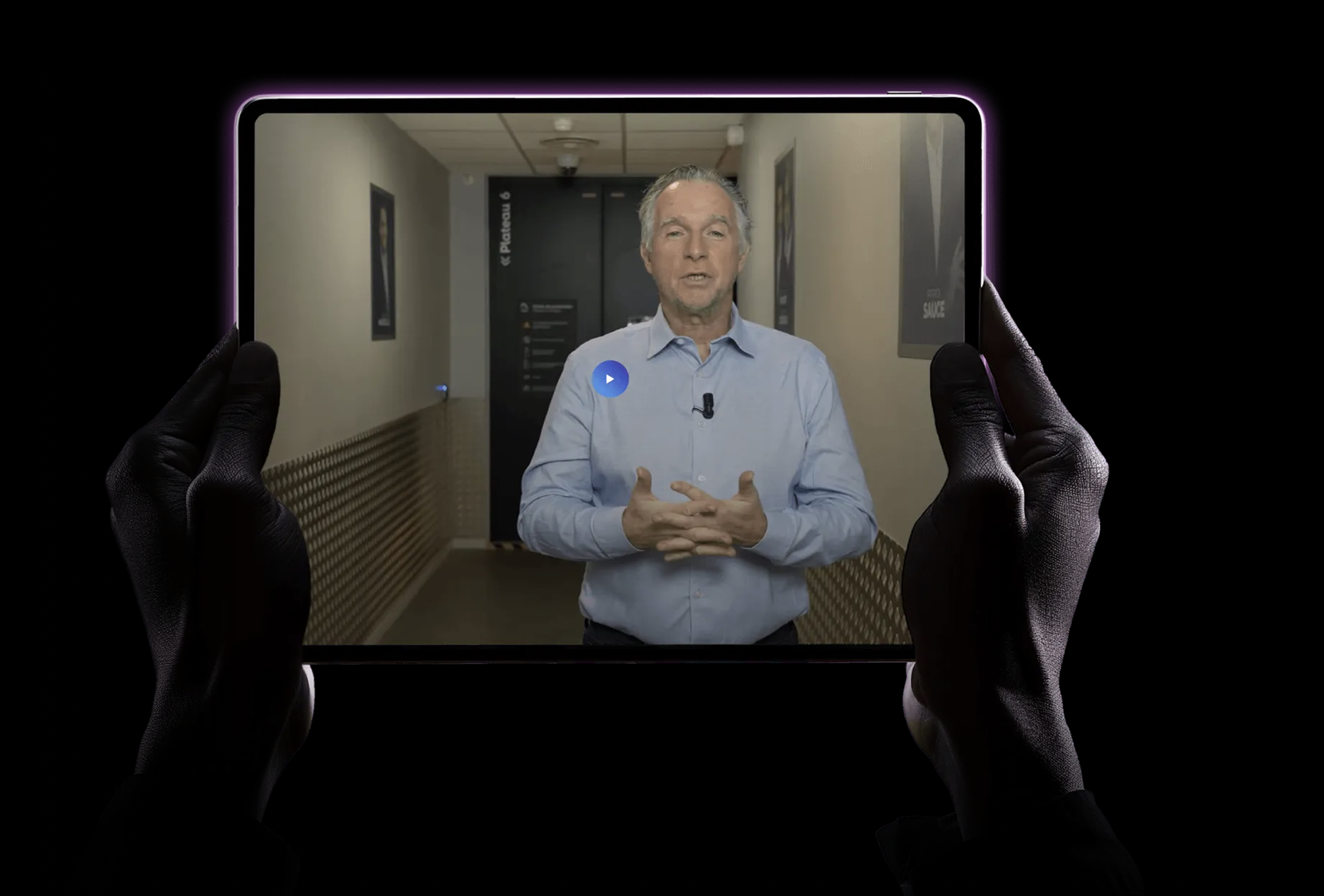
With our AI-driven tool, you can generate video from text, transcripts or PDFs in mere minutes. Using a two-minute selfie video filmed on your phone, we’ll train a hyper-realistic AI avatar to perform in your videos, so you’ll never need to be on camera again.
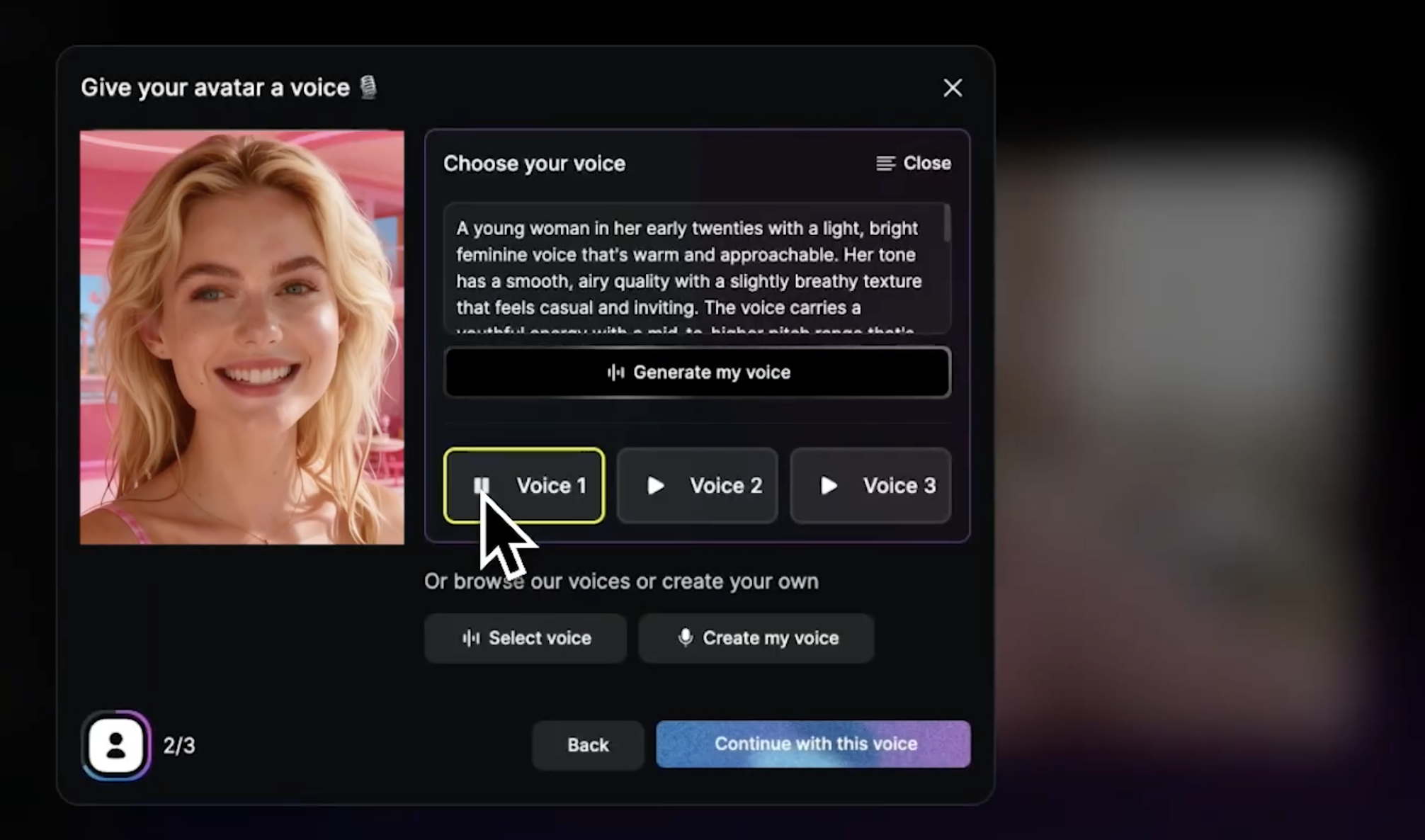
Using our state-of-the-art AI technology, your avatar can walk, talk, workout and even hold and wear branded products. They’ll look and sound exactly like you, and you can tweak their movements, expressions and appearance however much you like.
Argil also edits videos automatically, adding contextually-relevant B-roll, background music, captions, transitions and different camera shots to make your content as engaging as possible.
New Jobs Building Personal Brands in 2026
As personal branding becomes more systematic, new career paths are popping up. These jobs didn’t exist five years ago – but thanks to AI, in 2026, there will be more personal branding examples than ever.
AI Personal Brand Operators
These people manage an expert's entire online presence. They write scripts, use tools like Argil to generate videos and handle content planning and publishing. They're part strategist, part producer.
A busy founder doesn't have time to film themselves every day, but they have expertise worth sharing. An operator bridges that gap and knows how to create compelling content and manage a busy content schedule.
This is becoming a lucrative career opportunity for marketers who understand brand storytelling and know how to streamline their workflows with AI tools. Some operators run 3-5 clients simultaneously, which wasn't possible before AI removed the editing bottleneck.
AI-Native Agencies
Small teams can run content for 5-10 experts using AI workflows. One person now does what used to need five and instead of traditional editing studios, they use tools that automate the manual work.
These agencies typically focus on a specific niche, such as tech founders or real estate professionals. This specialization lets them build repeatable systems and understand what content works in that space.
Content Strategists
These specialists extract knowledge from experts and turn it into content that performs. They conduct interviews, review past talks or presentations, analyze what's working in the market and create content calendars with specific hooks and angles. Then they hand everything off to the operators who handle the production.
Good strategists understand platform psychology. They know what works on LinkedIn versus TikTok versus YouTube, and they can spot the angle that'll make someone stop scrolling.
These roles are creating real opportunities for people who understand storytelling, platform dynamics and how to work with AI tools without getting lost in the tech.
Where Argil Fits
When it comes to personal branding examples, Argil sits in the content production layer, making it possible to scale video production without a huge team.
You only need to record yourself (or your client) once, and Argil will train your avatar to mirror your face, voice and mannerisms so you can create videos in under 10 minutes.
The platform handles captions, transitions and B-roll automatically, so you're not spending hours on editing software.
Sign up today to get started with Argil – you get your first 5 days completely free.