The Last Gate
The human is the director. AI is the crew.
 @Le Pogam Brivael7 min read
In this essay12 sections
Everything is a story
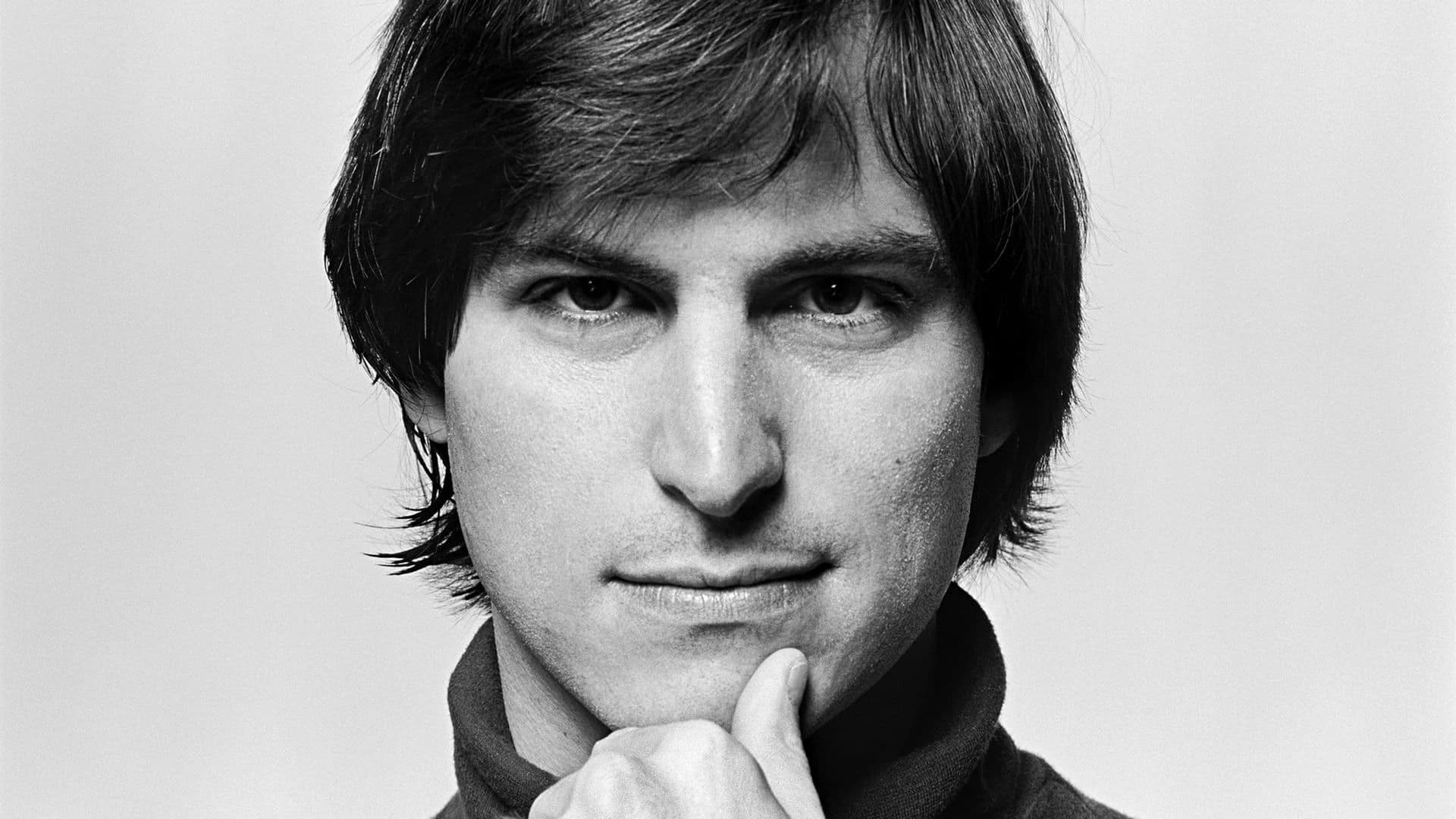
One day in the summer of 1994, Steve Jobs walked into the NeXT break room and asked who the most powerful person in the world was. One employee answered Nelson Mandela. Jobs disagreed: "The most powerful person in the world is the storyteller."
The storyteller, he said, shapes what a whole generation will value and aim for. And Disney held a monopoly on that business. The next year, Pixar released Toy Story.
Take the idea literally. Look under anything that organizes human life, and you will find a story.
A country is a story: a line on a map, a flag, an anthem, a founding myth millions agree to share. Money is a story: paper or a number on a screen is worth something only because everyone believes the same thing about it.
A company is a story. It has no body; it exists because founders, employees, investors and courts agree that it does. Laws, contracts, titles, borders, rights, brands, religions and ideologies are stories too, written down and believed at scale.
Take away the stories and what remains is land and people. Civilization is the sum of the stories we agree to believe.
So storytelling is not entertainment. It is the oldest and most powerful technology humans have. Whoever tells the stories decides what a society believes, builds, trades and fights for.
For most of history, that power belonged to very few people.
The printing press broke the first gate
Before the fifteenth century, every book was copied by hand. It took months, cost a fortune, and was controlled by those who could pay scribes: the Church, the courts, a few universities.
Knowing how to tell a story was not enough. You needed permission to reproduce it.
Gutenberg's press collapsed the cost of producing text. Pamphlets, treatises and novels spread across Europe without anyone's approval. The Reformation, the scientific revolution and modern public debate all grew from that single shift.
Every new medium was more powerful, and more locked
Then came photography, recorded sound, radio, cinema and television. Each new medium moved people more deeply than the last. Each was also more expensive to produce.
Writing required paper and ink. Radio required a transmitter. Cinema required cameras, sets, crews and studios; television required networks.
The more power a medium had over minds, the fewer people could use it.
Video shapes minds more than any other format
Text asks you to think. Video makes you feel. It combines image, voice, music and time, and it doesn't argue with you: it shows you.
It reaches children before they can read and adults before they notice. A single film can change how a generation sees love, war, family, technology or the future.
Video is the format that shapes minds the most. So one question matters to every free society: who gets to make it?
The internet opened distribution. Not production.
The internet broke the distribution gate. Anyone can now publish a video and reach millions without asking a network for permission. That was a revolution, but only half of one.
You can distribute anything, but only what you can produce. An ambitious film, series or animated world still costs tens to hundreds of millions, hundreds of specialists and years of work.
So the creator economy became the economy of what is cheap to film: faces talking to cameras, reactions, vlogs. The epics, the sagas and the animated worlds children grow up inside still come from a handful of studios.
When production is scarce, stories get captured
When a story costs $200 million, it has to serve whoever pays for it. It has to minimize risk, please the market and match the mood of the institutions that finance it.
That is why we get sequels, remakes and a narrowing range of acceptable ideas. This is not a conspiracy. It is structure.
Concentrated production means concentrated imagination. A few hundred people decide which worlds billions of people will live in for the next decade. No committee, however talented, can know what millions of storytellers would have imagined.
The last gate is opening
Pixar proved that computers could tell stories as powerful as Disney's. But it still took a studio, years of work and tens of millions of dollars. AI finishes what Pixar started.
AI is about to do to video production what the printing press did to text. Rendering, animation, voices, lighting, camera work and editing are becoming things machines can execute.
For the first time, the most powerful storytelling medium ever invented can be produced by one person, without a studio's budget or permission.
What AI will not do
This is where we part ways with much of our industry.
AI will not tell your story for you. Typing a prompt and receiving a film is a slot machine, not an art.
A film is a thousand decisions: what the world looks like, who the characters are, where the camera goes, what to cut, what to leave unsaid. Those decisions are the work. They are what make a story yours.
When execution becomes abundant, judgment becomes scarce. Taste, knowing what to tell and how to tell it: that is human, and it will stay human.
What we believe
The human is the director. AI is the crew. Every creative decision belongs to the person telling the story.
Taste is the new craft. Knowing what is good, and why, becomes the most valuable skill in filmmaking.
Value moves from how to produce to what to tell. The story, and the way it is told, is what stays scarce.
Production becomes infrastructure. AI handles execution, so anyone can make what they want without asking permission.
Audiences decide, not committees. A story deserves to exist before anyone approves it.
Why Argil exists
Argil is not a video tool. It is a storytelling tool, built for the very thing civilizations are made of. It is the missing link between a person with a story and a finished film.
You bring the idea and shape the world, the characters and the visual style. You build the storyboard scene by scene, and iterate until it feels right. Argil handles the production, turning your direction into a film, a series or an animated world.
Not prompt to film. Idea, storyboard, iteration, film: a process where you make the choices and the machine does the labor.
Mission and vision
Our mission: give anyone the power to make films, series and animation, with the human in the director's chair.
Our vision: a world where becoming the next George Lucas doesn't require a studio's permission. Lucas had to convince studios to bet on the film he imagined, then build his own effects company because the tools didn't exist. The next one will only need a vision and the will to see it through.
The next great saga could come from a teenager in Lagos, a nurse in Lyon or a retired engineer in Osaka. Millions of storytellers instead of a few hundred gatekeepers.
When anyone can make a film, no single ideology, market or institution can own what a society imagines. Not because stories will be neutral; no story ever is. Because there will be too many voices to capture.
How we get there
Studios built their power on two assets: their production pipelines and their intellectual property. Argil gives both to everyone.
The best product, on the best primitives. Every storyteller works differently, so Argil doesn't impose one workflow. It gives you the primitives to build your own, share it and earn from it. Every workflow a creator publishes makes Argil more powerful for the next one: that is our network effect.
Worlds you own and share. A great story outlives a single film. On Argil you create your own IP: characters, objects, places, lore, entire universes. You manage it, share it, and decide who gets to build on it.
The printing press gave everyone a voice. The internet gave everyone an audience.
Argil gives everyone the director's chair.
@Le Pogam BrivaelTake the director’s chair