How Can You Translate Spanish to English Audio in 2025? 3 Tools for Creators Expanding Internationally
There are plenty of Spanish to English translation audio tools on the market, but which are best for creators? Let’s explore.

We’ve just built the most complete FREE resource to leverage AI avatars in your business. We’ve centralized 50 use cases across 4 categories (Personal Branding, Marketing and Sales, Internal and Enterprise, and Educational and side-hustles). You can access it here NOW. Enjoy :)
How Can You Translate Spanish to English Audio in 2025?
If you're a Spanish-speaking creator watching your content blow up locally but barely getting any engagement in English-speaking countries, you’re not the only one.
Over 1.5 billion people worldwide speak English, so this is the largest digital market in the world. The bad news is, it can be hard to tap into – not because your content isn't good enough, but because crossing that language barrier still feels kind of impossible.
Although video tools have come a long way in recent years, traditional localization remains miles behind. Translating videos is notoriously expensive and time-consuming, and regular captions just don’t often cut it. Viewers want to hear your voice in their language, but short of learning to speak a different language, what can you do?
Luckily, Spanish to English translation audio tools are here to save the day. Let's look at the translation tools that actually work for content creators, and help you find one that does the job well.
3 Ways to Translate Spanish to English Audio
Here are your real options for Spanish to English translation audio, from basic to advanced tools that provide accurate voice translation.
Voice-Based Translation Tools
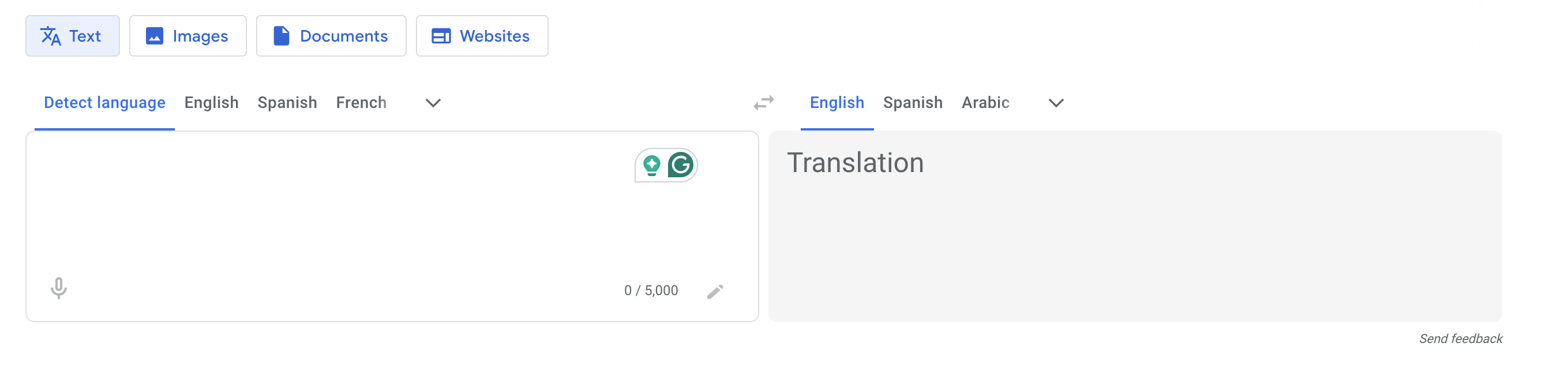
Google Translate, Microsoft Azure Speech and OpenAI's Whisper provide real-time or batch speech translation.
These tools work by transcribing your Spanish, translating it to English text, and then using text-to-speech technology to create the audio.
In terms of whether or not these tools are any good, Whisper's accuracy hits over 90% for conversational Spanish, and it's free – making it a solid choice for quick podcast translations or live sessions.
However, the English voice can sound a little robotic – users say it’s accurate, but a little lifeless.
Voice-based translation tools are probably fine for educational content, where the information matters more than how you say it. But for personality-driven creation where authenticity is crucial, the results will come off a little stiff.
Text-Based Translation Tools
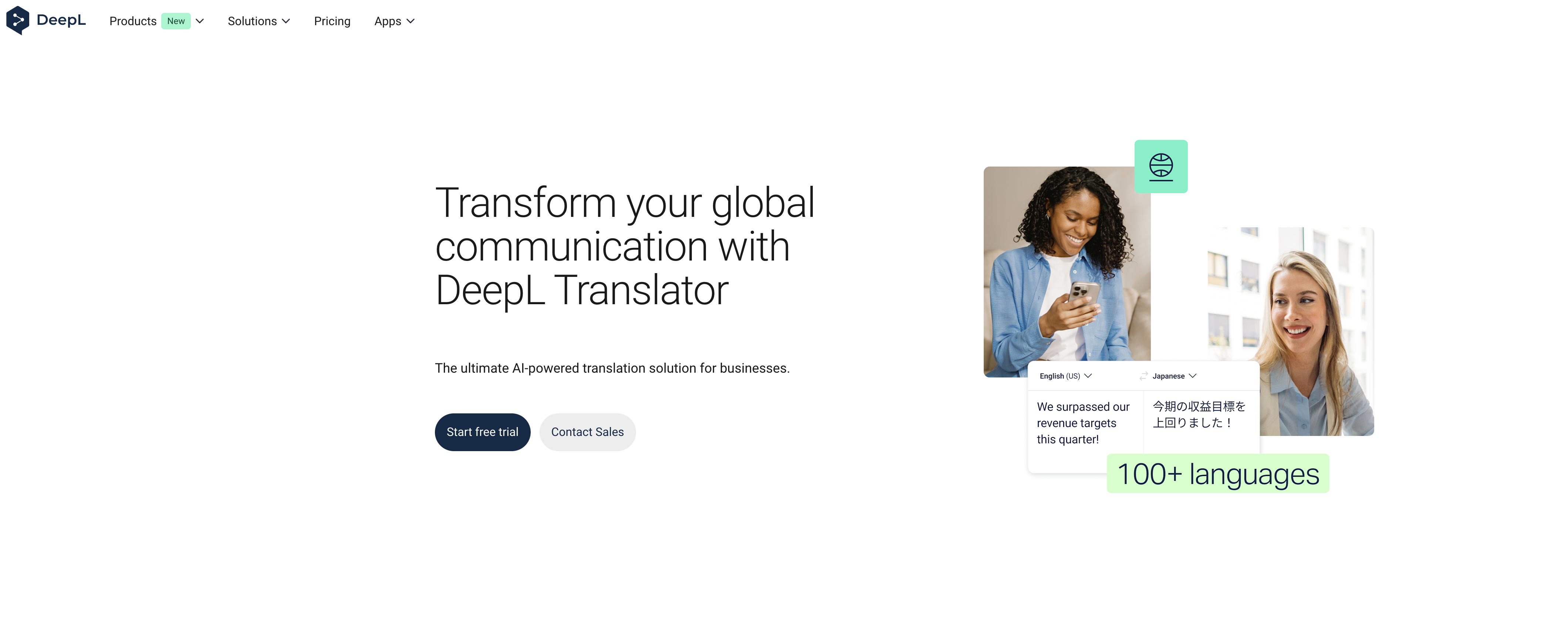
Tools like DeepL and ChatGPT allow you to translate entire scripts with decent contextual accuracy.
First, these tools will translate your script first and then clean it up to make it sound natural. AI text-to-speech tools like ElevenLabs or Murf can then generate the English audio.
This option gives you way more control over the final result (DeepL especially gets idioms and humor better than most tools) and you’ll be able to change or fix awkward phrasing before anyone hears it.
Still, using text-based translation tools for Spanish to English translation audio is a multi-step process that involves multiple platforms. You’ll need to translate, edit and sync your voiceover, which is a time-consuming process that can slow down your posting schedule.
Text-based translationt tools are best for creators who script everything beforehand and don't mind the extra work. They’re not ideal if you're filming quick reactions or pushing out lots of short-form content.
Video-Based Translation with AI Avatars
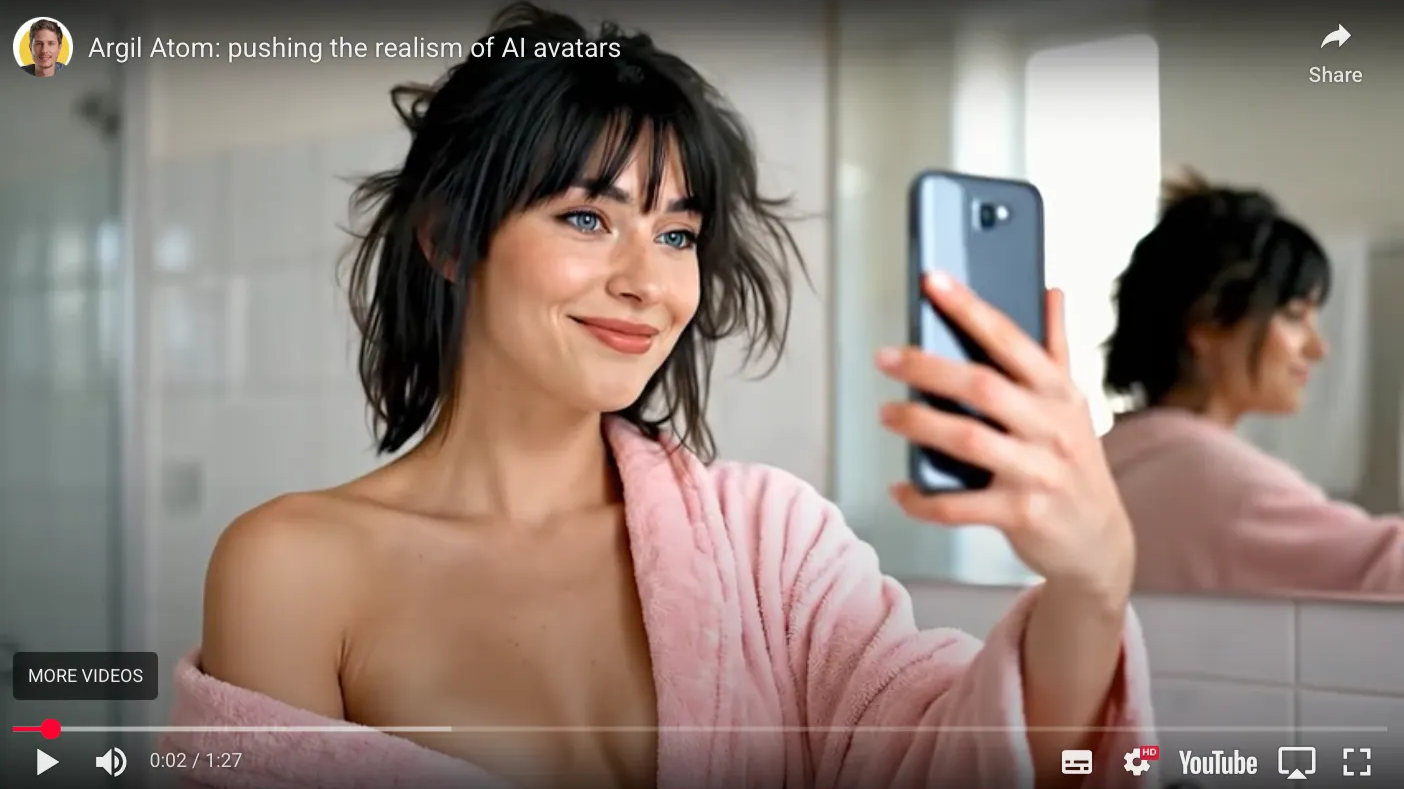
This is where Spanish to English translation audio gets more advanced. Platforms like Argil, HeyGen and Synthesia let you generate English-speaking videos using your own cloned voice and face, with perfect lip-sync and localized speech and language.
All you need to do is train an AI clone from a short video of yourself. Then you can make videos in English (or whatever language you choose) where your clone speaks fluently while keeping your expressions, gestures and energy the same – no boring, robotic voiceovers here.
You won’t need translators, voice actors or editors, either. What once took hours now takes minutes. You can speak in any language you choose, using your same face, same mannerisms and same overall vibe. English-speaking audiences can see and hear the real you, just in their language.
Argil nails this challenge because our tool replicates your whole presence, rather than just translating your words. Your AI clone moves and talks like you do, so your videos remain authentic and personality-driven, helping you build genuine trust and authority online.
This option is best for serious content creators who want to tap into international audiences without losing their spark.
How AI Agents Handle Spanish to English Translation Audio
Regular translation tools do one job: translate Spanish into English. Which means that when you receive the translated audio, everything else is still on you.
AI agents like Argil work completely differently. They handle the entire content workflow, taking you from idea and script generation right through to optimization and publishing. Better yet, they learn how you talk, how you edit and how you present yourself, memorizing your style and brand for future videos.
With Argil's approach, translation feels natural because our AI adapts how things are said to match actual English speakers. You're not getting word-for-word accuracy that sounds stiff, but localized delivery that feels right.
You can also test different versions to see what works with different localized audiences. With this approach, you’ll go from one video a week to ten, without burning out or blowing your budget. Our AI handles the technical grunt work while you focus on being creative – it’s a win-win for both you and your audience.
Argil: Use Language as a Growth Strategy

Multilingual content isn't optional in 2025 if you're serious about growth as a digital creator. Brand deals pay more when you reach multiple markets, and ad revenue jumps when your audience doubles or triples.
Going from manual Spanish to English translation audio to using AI tools means you can literally go global overnight without a bigger team or a larger budget.
With Argil, nothing gets lost in translation. In just a few steps, you're gaining millions of potential viewers who finally get to experience your content the way it should be experienced: in their language, with your voice.
This approach is completely different from dubbing or subtitles. There's no layer between you and your audience anymore – you're talking directly to them, authentically, in a language they understand.
Argil also handles captions, B-rolls and transitions automatically, so rather than just receiving a translated audio file, you’re getting a complete video that’s ready to post.
Try Argil for Free
For creators posting from Latin America to the US or UK, using Argil for Spanish to English translation audio removes the roadblocks that previously made international growth feel impossible.
Getting started is simple: upload one two-minute clip of yourself talking normally, which we’ll use to train your AI clone. After that, you can generate videos in any language, just by writing scripts.
Your clone keeps your facial expressions, your hand gestures, your speech patterns, how you emphasize words… and you get several hours back in your week knowing your multilingual video strategy is taken care of.
Sign up today to try Argil for free and start building your multilingual AI avatar.