How to Create Ads for TikTok Video with AI: The Complete 2026 Guide
Learn how to create TikTok video ads with AI tools. Compare Argil, Arcads, and Creatify. Step-by-step guide from script to publishing with hook examples.
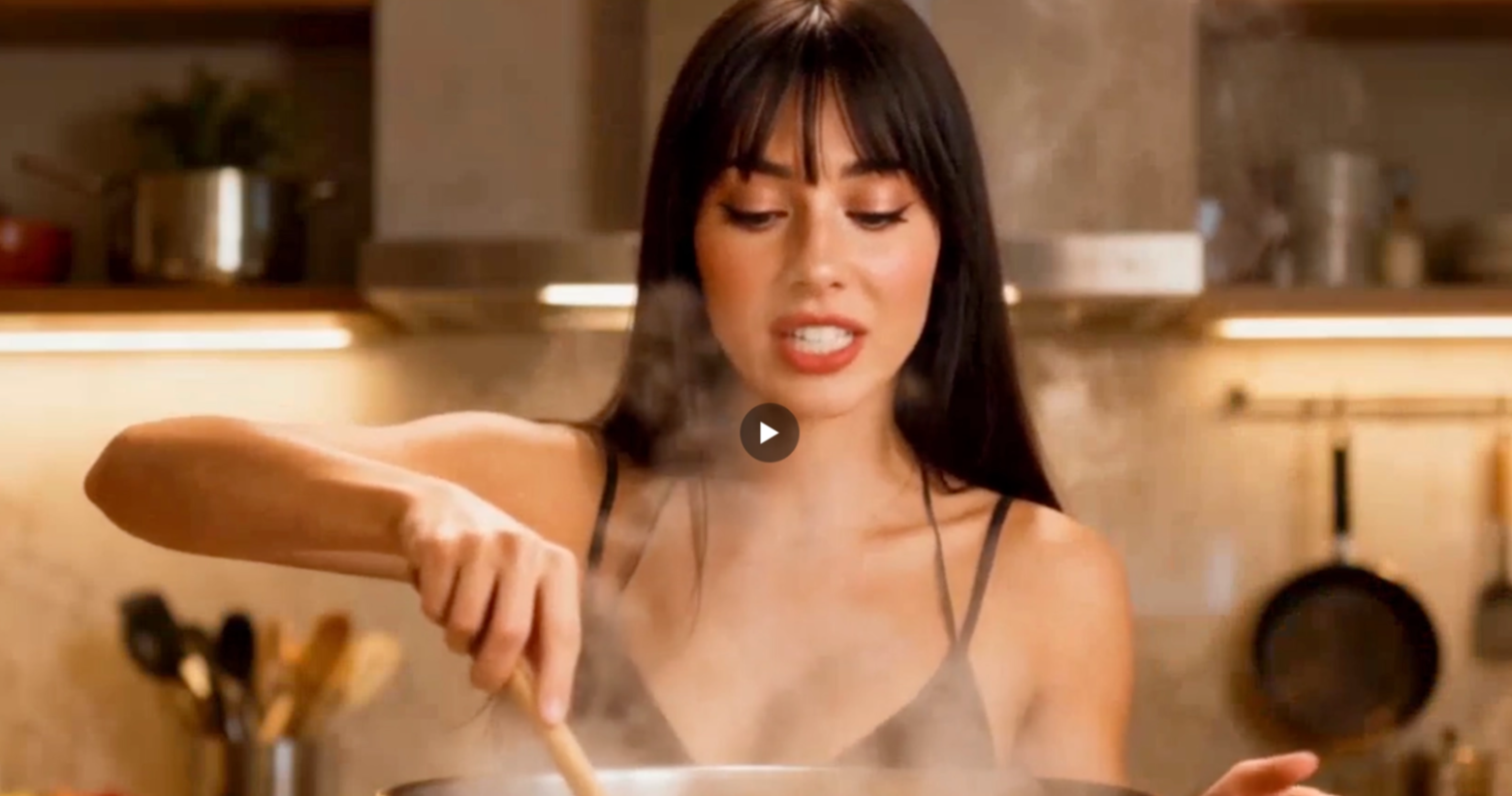
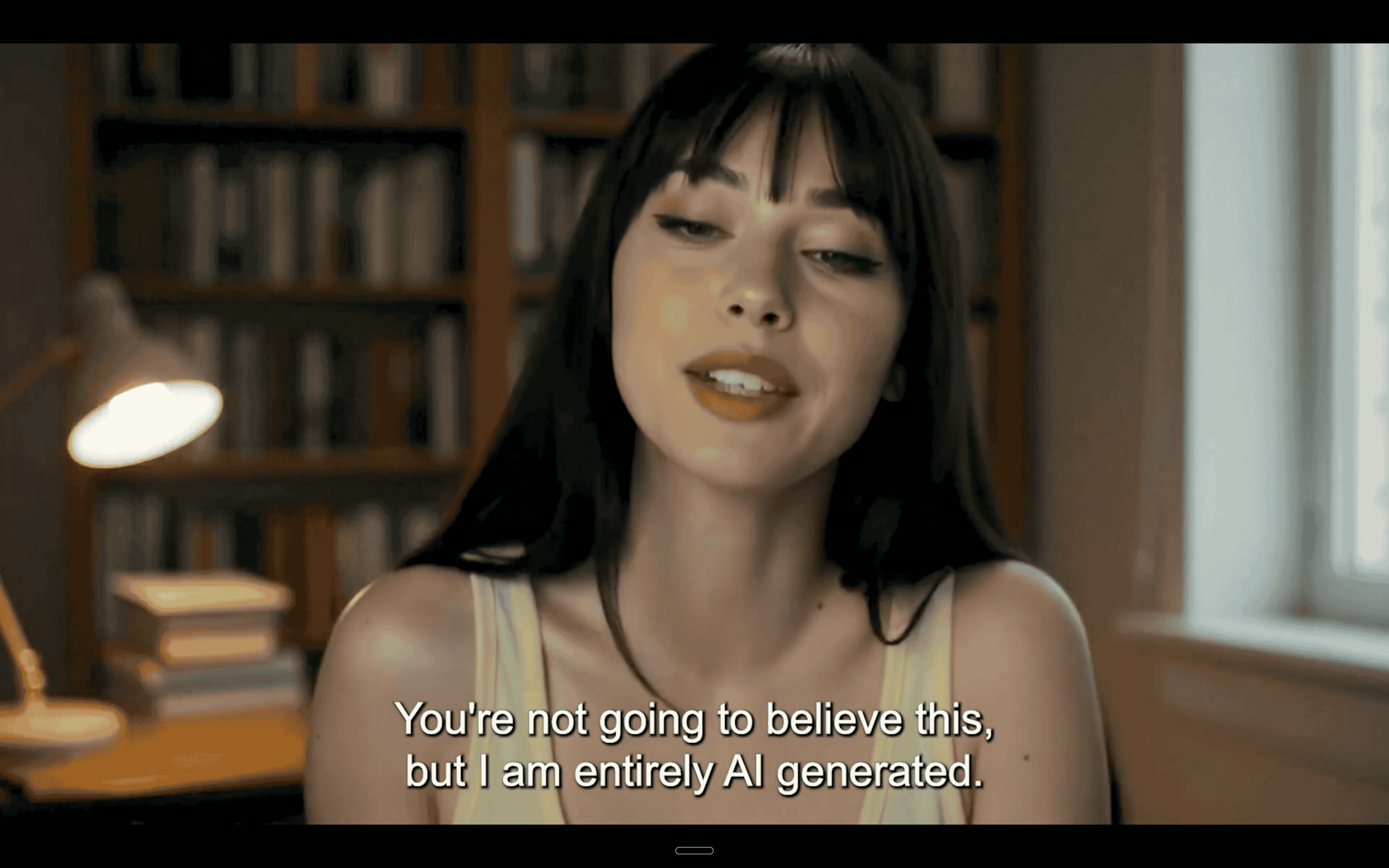
TikTok ads have a dirty secret: the ones that perform best don't look like ads at all. They look like something a real person posted from their phone. That's why "UGC-style ads see 4x higher click-through rates than traditional branded ads." The polished, studio-produced creative that works on TV actively hurts performance on TikTok.
The problem is obvious. Producing authentic-looking video ads at scale is expensive. Hiring UGC creators costs $150 to $500 per video, and building an in-house production team costs even more. And by the time you've produced one ad, your competitor has tested ten.
AI video tools have changed this equation completely. You can now go from a text script to a finished, UGC-style video ad in under 5 minutes, test multiple hooks simultaneously, and iterate on winners without ever booking a creator or scheduling a shoot.
Here's exactly how to do it.
Step 1: Script Your TikTok Ad
The script is where most TikTok ads succeed or fail. You have approximately 1 to 3 seconds before someone swipes past your ad. That's not hyperbole. TikTok's own data confirms that hook rate, the percentage of viewers who watch past 3 seconds, is the strongest predictor of overall ad performance.
The Hook (First 1 to 3 Seconds)
Your hook needs to do one of three things: interrupt a pattern, make a bold claim, or state a problem the viewer immediately recognizes.
Here are hooks that consistently work across product types:
For e-commerce: "I found the thing everyone on TikTok is lying about." or "This costs $12 and replaced my $200 [product category]."
For SaaS/tools: "I made this video in 2 minutes without a camera." or "Stop paying [competitor] $99/month for something AI does free."
For services: "I booked 14 clients last month from one type of video." or "My real estate listings sell 3x faster since I started doing this."
The Body (10 to 20 Seconds)
This is where you demonstrate the product in action and share a specific result. Walk through the transformation from before to after. The body should feel like you're telling a friend about something you discovered, not reading from a marketing brief.
The CTA (3 to 5 Seconds)
Keep it direct. "Link in bio." "Try it free." "Comment 'video' and I'll send you the link." Soft CTAs outperform hard sells on TikTok because they match the platform's conversational tone.
Step 2: Choose Your AI Ad Creation Tool
Not every AI video tool is built for TikTok ads. You need one that produces content that looks like a real person made it, not a corporate marketing team. Here's how the main options compare…
Argil
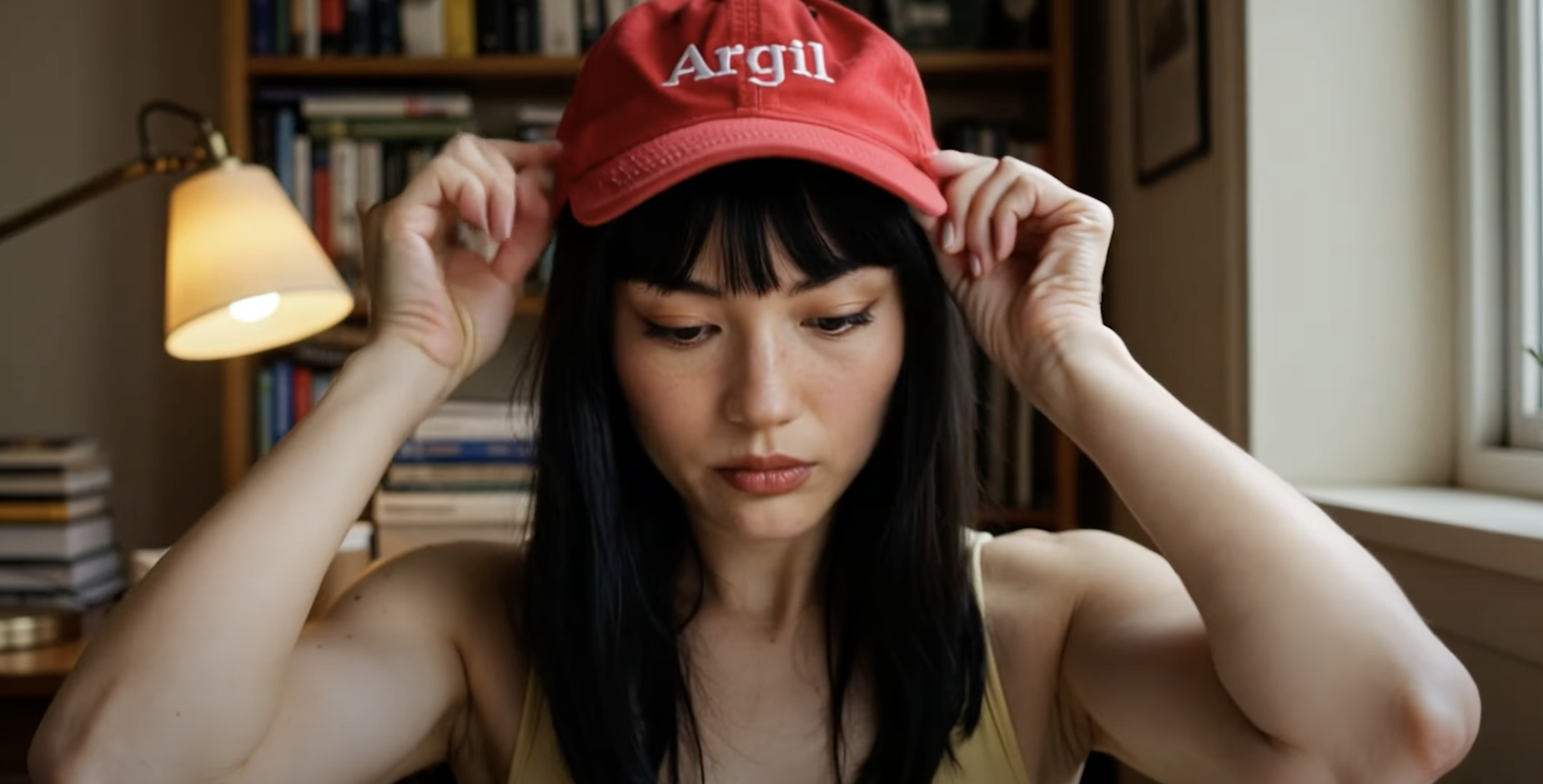
Argil is built for creators who want their own face in the ad. You upload a 2-minute training video, and the platform creates a digital clone that generates video from any script. The output looks like you actually filmed it because it features your real face, your real voice, and your real expressions.
The all-in-one editing pipeline adds captions, b-roll, and transitions automatically. You can A/B test different hooks by simply changing the first line of the script and generating a new version.
Pricing: Free plan with 2 video minutes. Classic at $39/month (1 avatar, 25 minutes). Pro at $149/month (100 minutes, AI Influencer builder).
Best for: Brands and creators who want ads featuring a real, recognizable person. If your strategy is founder-led content or creator-style ads tied to your personal brand, this is the tool.
Arcads
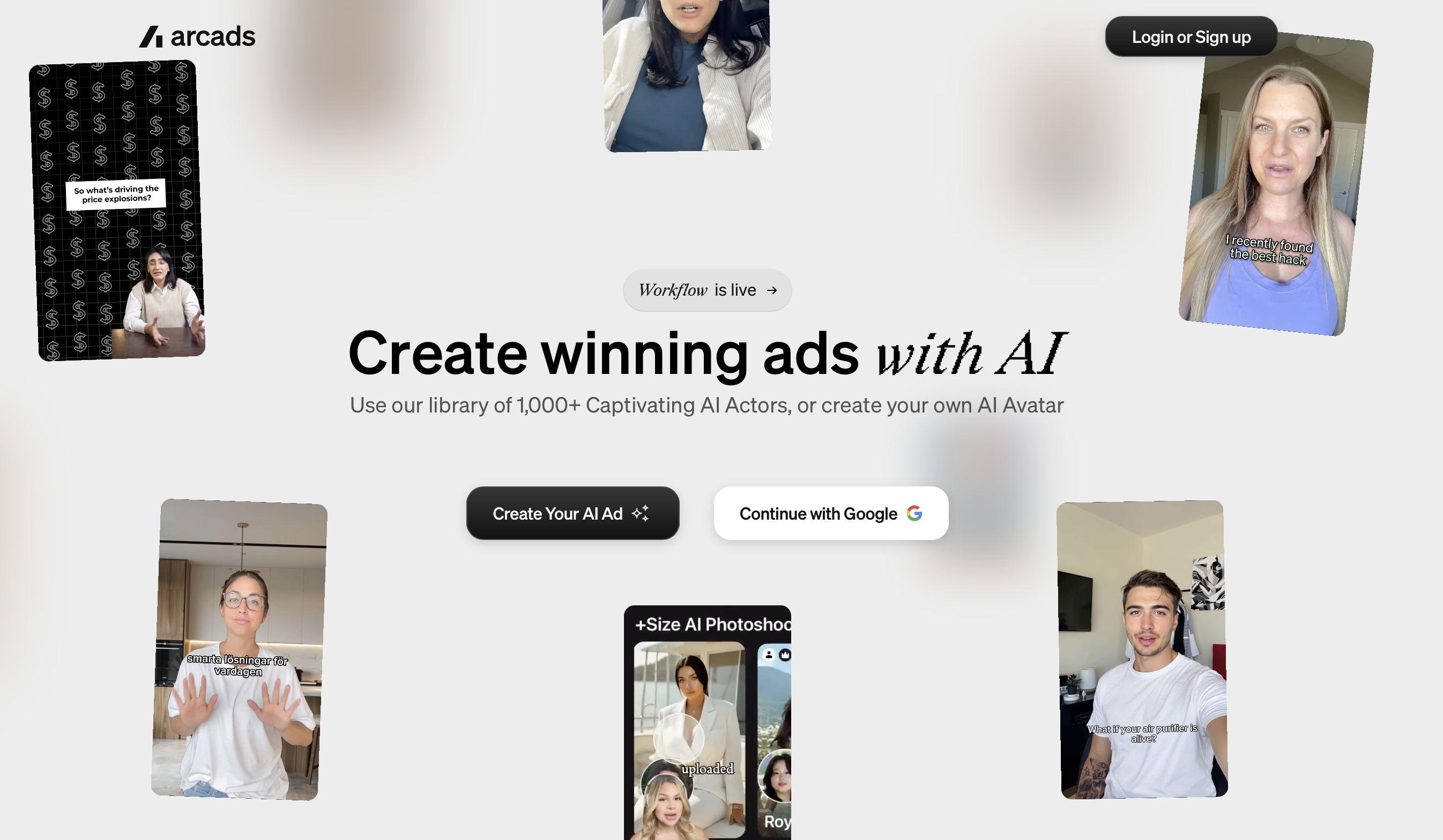
Arcads generates UGC-style video ads using a library of over 300 stock AI avatars. You drop in ad copy, select an avatar by gender, age, and ethnicity, and the platform renders a lip-synced video with natural gestures in about two minutes. Strong for e-commerce brands testing multiple creatives at volume.
Pricing: Starter at $110/month (10 videos). Creator at $220/month (20 videos). No free trial available.
Best for: E-commerce and dropshipping brands that need volume and don't need a specific person's face in the ad.
Limitations: The avatars are stock. They don't look like anyone on your team. At $11 per video, costs add up fast when testing at scale.
Creatify
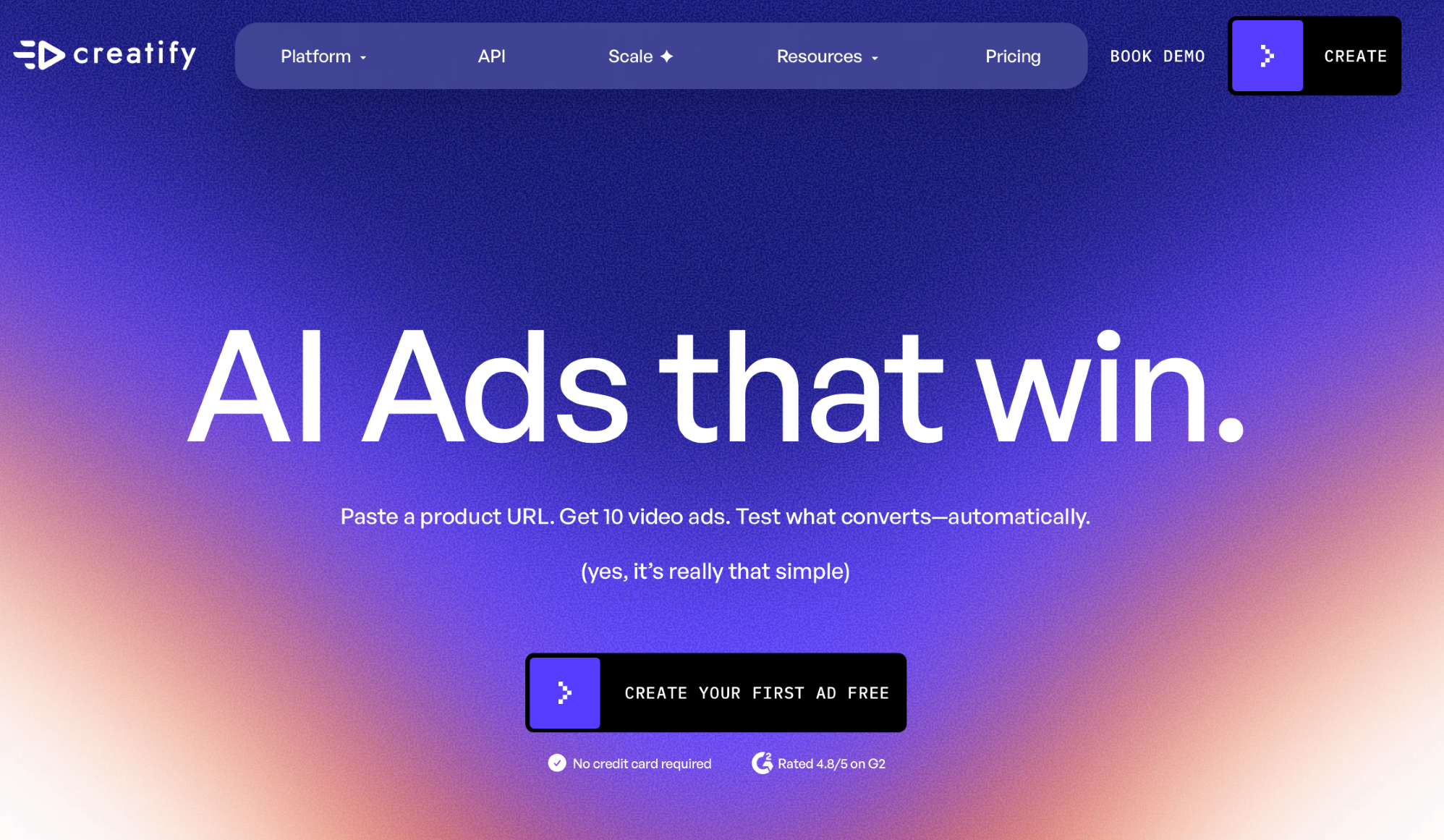
Creatify's standout feature is URL-to-video. Paste a product URL from Shopify, Amazon, or an app store, and the platform generates 5 to 10 video variations automatically. Direct integration with TikTok Ads Manager lets you push ads straight from the platform.
Pricing: Free plan (10 credits/month, watermarked). Starter at $19/month (~240 videos/year). Pro at $49/month (~480 videos/year). Custom avatar (BYOA) available on paid plans.
Best for: E-commerce brands that want the fastest path from product page to TikTok ad.
Limitations: Default avatars are stock. Custom avatar (BYOA) requires 2 to 5 minutes of footage and takes 1 to 2 business days to process. Not as instant as Argil's clone training.
HeyGen
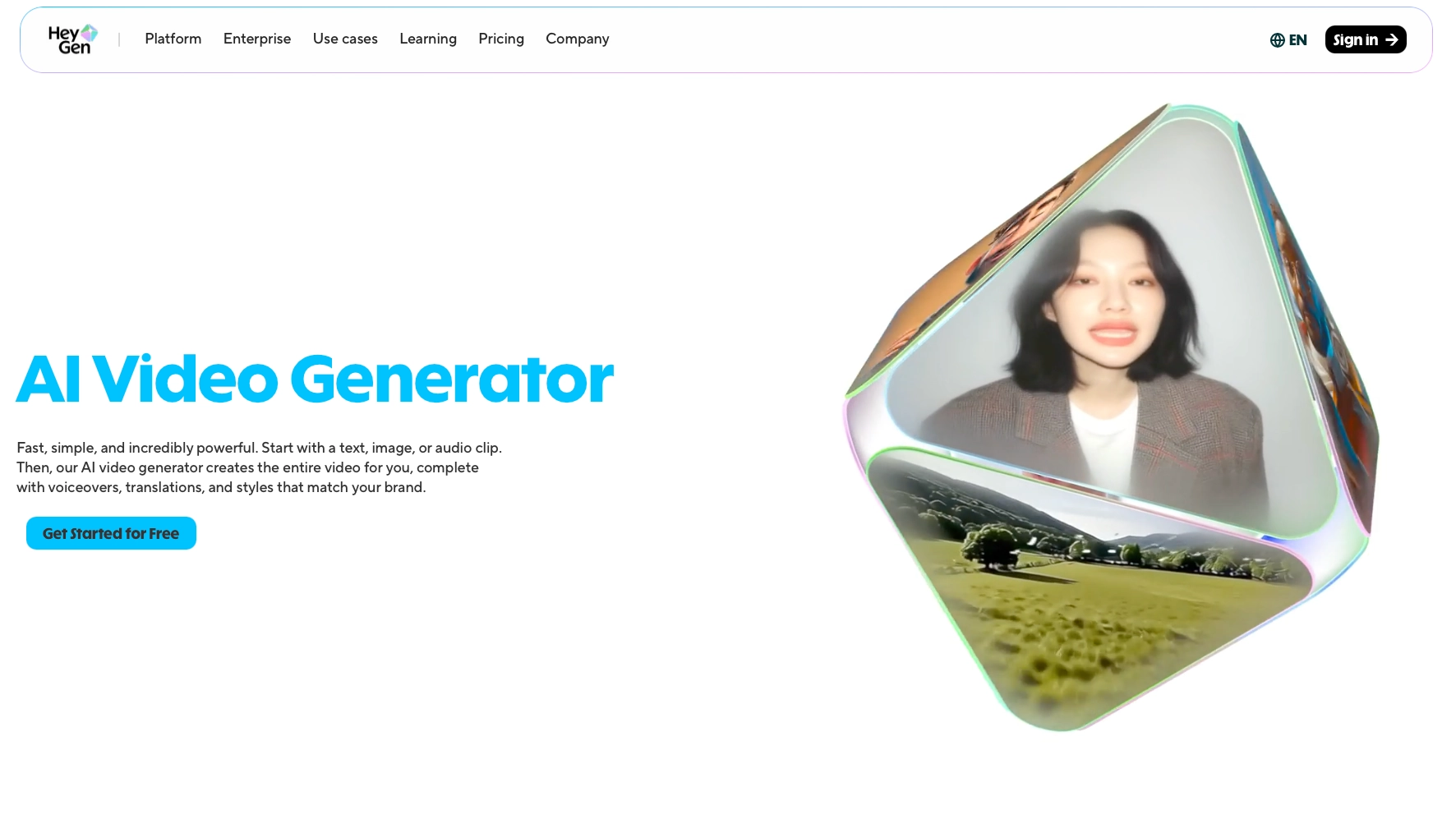
HeyGen has the largest avatar library (700+) and the broadest language coverage (175+). It's the strongest option for multilingual ad campaigns and corporate-style video ads.
Pricing: Creator at $29/month. Pro at $99/month. Business at $149/month.
Best for: Multilingual campaigns and corporate content. Not ideal for TikTok UGC-style ads because the avatars feel too polished and corporate.
The Key Decision
Do you want ads that look like a real person made them? If the person needs to be YOU (or your founder, or a specific team member), Argil is the only option. If you're fine with stock avatars, Arcads offers volume and Creatify offers speed.
Step 3: Generate Your Video Ad
The actual generation process is straightforward regardless of which tool you choose.
General workflow:
- Paste your script into the platform
- Select your avatar or clone
- Choose voice settings (tone, speed, language)
- Set the aspect ratio to 9:16 (vertical, mandatory for TikTok)
- Generate
With Argil specifically:
- Select your trained AI clone
- Paste the script (hook, body, CTA)
- The platform generates a fully-edited video: your face speaking the script, captions overlaid, b-roll inserted at relevant moments, transitions between sections
- Review and adjust. Generation takes approximately 2 minutes.
The critical step: Generate a minimum of 3 to 5 variations of every ad. Change the hook on each one. Keep the body and CTA identical. This lets you test which hook captures attention most effectively while controlling for everything else.
Step 4: Edit and Polish
Even with AI handling the heavy lifting, a few manual touches make the difference between an ad that blends into the feed and one that gets skipped.
- Captions are non-negotiable: Over 80% of TikTok users watch with sound off. If your ad doesn't have captions, you're invisible to four out of five viewers. Most AI tools add captions automatically, but review them for accuracy.
- Match the music to the moment: TikTok's algorithm favors ads that use trending sounds. Check TikTok's Creative Center for current trending audio and layer it under your voiceover at a subtle volume.
- Trim aggressively: If you can cut a word, cut it. If a pause runs longer than half a second, tighten it. TikTok viewers have zero patience for dead air.
- Respect safe zones: TikTok's UI overlays cover the bottom 15% and right 10% of the screen. Keep all important visual elements and text within the safe area.
Step 5: Publish, Test, and Iterate
Running TikTok ads without testing multiple creatives is like buying a lottery ticket instead of running a business. The winners are unpredictable, so you need enough shots on goal.
Run 3 to 5 hook variations simultaneously with identical targeting. Give each variation at least $20 to $50 in spend before making decisions.
Metrics to measure:
- Hook rate (% watching past 3 seconds): Below 25%? Your hook is the problem.
- CTR (click-through rate): Below 1%? Your body or CTA needs work.
- CPA (cost per acquisition): This is the ultimate metric. Everything else is a diagnostic.
Once you find a winning hook, use AI to generate 10 variations of it. Change small elements: the opening word, the background, the tone. Scale the winners.
This is where AI tools pay for themselves. Generating 10 variations of a winning ad with Argil costs nothing extra. With traditional UGC, that's $1,500 to $5,000 in creator fees.
Common Mistakes to Avoid
Making it too polished
TikTok's algorithm and audience both penalize content that feels like a traditional ad. Shaky camera energy beats studio lighting on this platform.
Using an obviously fake avatar
If the AI avatar doesn't look natural, it triggers the "uncanny valley" response and viewers scroll immediately. This is why tools that use your real face (Argil) or high-quality custom avatars outperform generic stock options.
Testing one creative
80% of advertising budgets are wasted on the first creative tested. The first ad you make is almost never the winner. Build testing into your process from day one.
Forgetting captions
Mentioned above, but worth repeating. No captions means no engagement from the majority of viewers.
Not iteration
Finding a hook that works is just the starting line. The real returns come from generating variations and scaling spend behind the proven angles.
Ready to create your first AI-powered TikTok ad? Try Argil free and go from script to finished ad in under 5 minutes.
FAQ
How much does it cost to create TikTok ads with AI?
Costs range from free (limited) to $220/month. Creatify starts at $19/month. Argil starts at $39/month. Arcads starts at $110/month. Compared to hiring UGC creators at $150 to $500 per video, AI tools reduce creative production costs by 80% or more.
Can AI-generated TikTok ads convert as well as real UGC?
Yes, when done correctly. The key is authenticity. Ads featuring a real person's face (via Argil) or high-quality avatars that match the UGC aesthetic consistently match or outperform traditional UGC on click-through and conversion rates, at a fraction of the cost.
Do I need to disclose that my ad was made with AI?
Platform policies are evolving. TikTok currently requires disclosure of "synthetic media" in certain contexts. Best practice: be transparent. Add a small disclaimer if the platform requires it, but note that AI-assisted content (where your real face is used via a clone) is a gray area that most platforms treat differently from fully synthetic content.
What video length works best for TikTok ads?
15 to 30 seconds is the sweet spot for most ad formats. Hook-heavy ads can work in as little as 8 seconds. Product demonstrations may run up to 60 seconds. Test multiple lengths, but start short and extend only if the data supports it.
Can I use my own face in AI-generated TikTok ads?
Yes, with Argil. Upload a 2-minute training video and the platform creates a digital clone of your face and voice. You can then generate unlimited ad variations featuring yourself without filming again. Creatify also offers a custom avatar feature (BYOA) that requires 2 to 5 minutes of footage but takes 1 to 2 business days to process.
Related Articles:
- What's Happening in the Creator Economy in 2025? Key Shifts, Tools, and Opportunities
- What's New in AI Video Generation? Key Trends and Tools to Watch in 2026
How to create high-converting TikTok video ads with AI tools in 2026