
What’s Happening in Creator Economy News in 2025? Key Shifts, Tools, and Opportunities
What’s the Latest Creator Economy News?
The creator economy is changing. But what’s in the latest creator economy news, and what do you need to know heading further into 2026?
If you’ve been on almost any social platform over the five years, you’ll know that the creator economy has undergone significant changes in that time.
First came the explosion of opportunity, where anyone with a smartphone could build a following on platforms like TikTok and Instagram – then came the era of volume, where it was impossible to stay irrelevant to stay relevant unless you posted multiple times per day.
Up until recently, digital creators have been stuck in a bind, with audiences demanding more and more fresh content and competition growing fiercer. Now, according to the latest creator economy news, the landscape is changing again.
In 2026, creators are no longer asking how to produce more content, because they know the focus is now on quality as well as quantity. Instead, the question has become: how to create consistently great content without burning out.
Many creators discovered that despite the algorithms favoring consistency, daily posting, constant filming and endless editing simply didn’t scale. Eventually, growth slowed, energy dropped and audiences became harder to retain.
What the latest creator economy news shows is not a collapse of the creator space, but a recalibration. The future for these creators is about moving away from hustle culture and towards smarter workflows that allow them to produce quality work without burning out.
Creator Economy News in 2026: The Biggest Changes
Video Production Has Become More Streamlined
One of the most noticeable changes in creator economy news over the past year is the video production process.
Only a few years ago, professional video content required editors, camera operators and production budgets. However, in 2026, most of that infrastructure is being replaced by software.
The cost of producing high-quality content has also dropped dramatically. AI writing assistants and video platforms allow solo creators to replicate workflows that once required entire teams – effectively letting them do do the work of writers, editors and videographers all in one app.
According to research summarized in HubSpot’s AI trends report, a majority of creators and marketers now use AI tools somewhere in their production pipeline, with many reporting significant time savings in editing and scripting.
In creator economy news, this has begun what some analysts are calling the rise of the “power creator”. Instead of scaling by hiring more people, creators are scaling by improving their systems and tools.
The economic implication is significant. More value is being generated per piece of content, not per hour worked. The latest creator economy news increasingly reflects this move toward efficiency rather than expansion, which could change the way digital creators work forever.
AI-Native Workflows Increase Make Life Easier for Creators
Another major theme emerging across creator economy news is the rise of AI-native creators. These are individuals who design their workflows around AI from the start, rather than adding it later as an optimization.
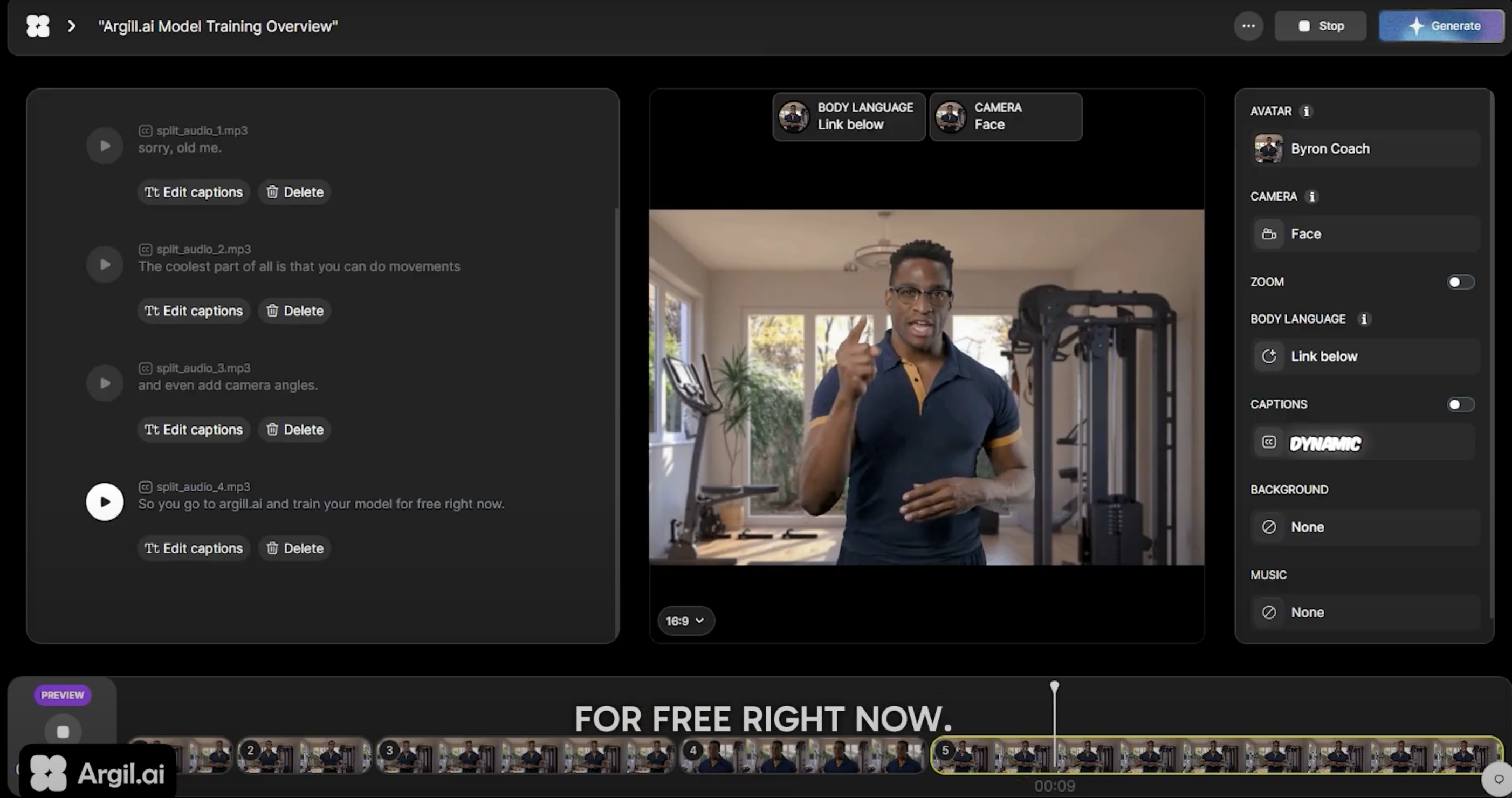
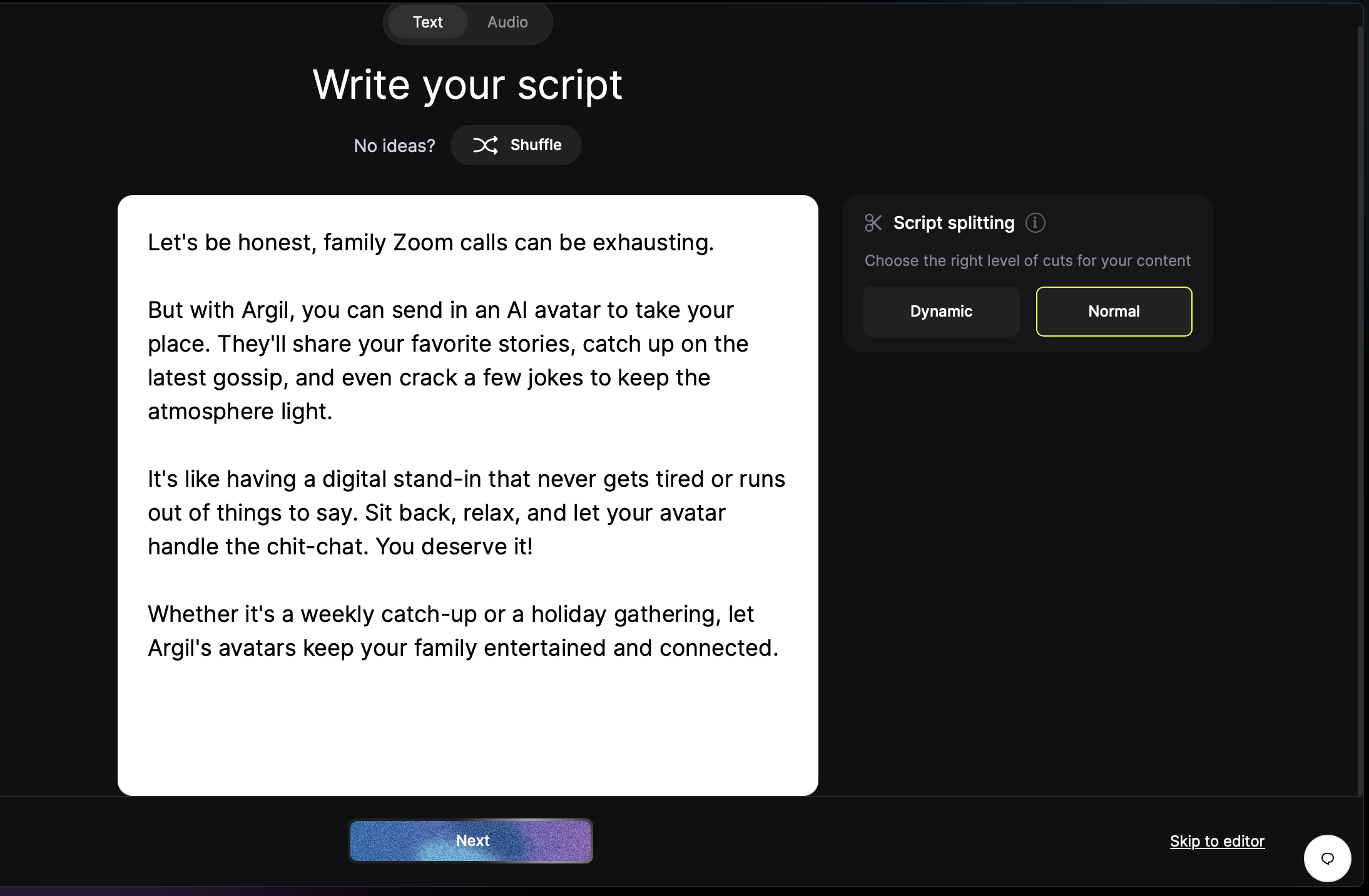
The difference is subtle but important. Instead of filming first and editing later, AI-native workflows often begin with text – a written idea becomes a script, which becomes a video, which is then repurposed across platforms.
Tools like ChatGPT assist with ideation and visual experimentation, while platforms like Argil bring scripting, avatar generation and editing into one workflow.
In 2024, creator economy news research from Adobe found that a growing percentage of creators believe AI tools have significantly increased their publishing capacity, allowing smaller teams to compete with larger brands. For creators, this is less about automation and more removing friction from once manual and time-consuming tasks.
Two years on, creators are generating more output without increasing workload, which allows them to expand into new platforms or audiences without doubling effort.
AI Avatars Are Now Much More Realistic
Video remains the most powerful content format in the creator economy, but historically it has also been the most resource-intensive. Cameras, lighting, editing software and on-camera confidence all created barriers to entry.
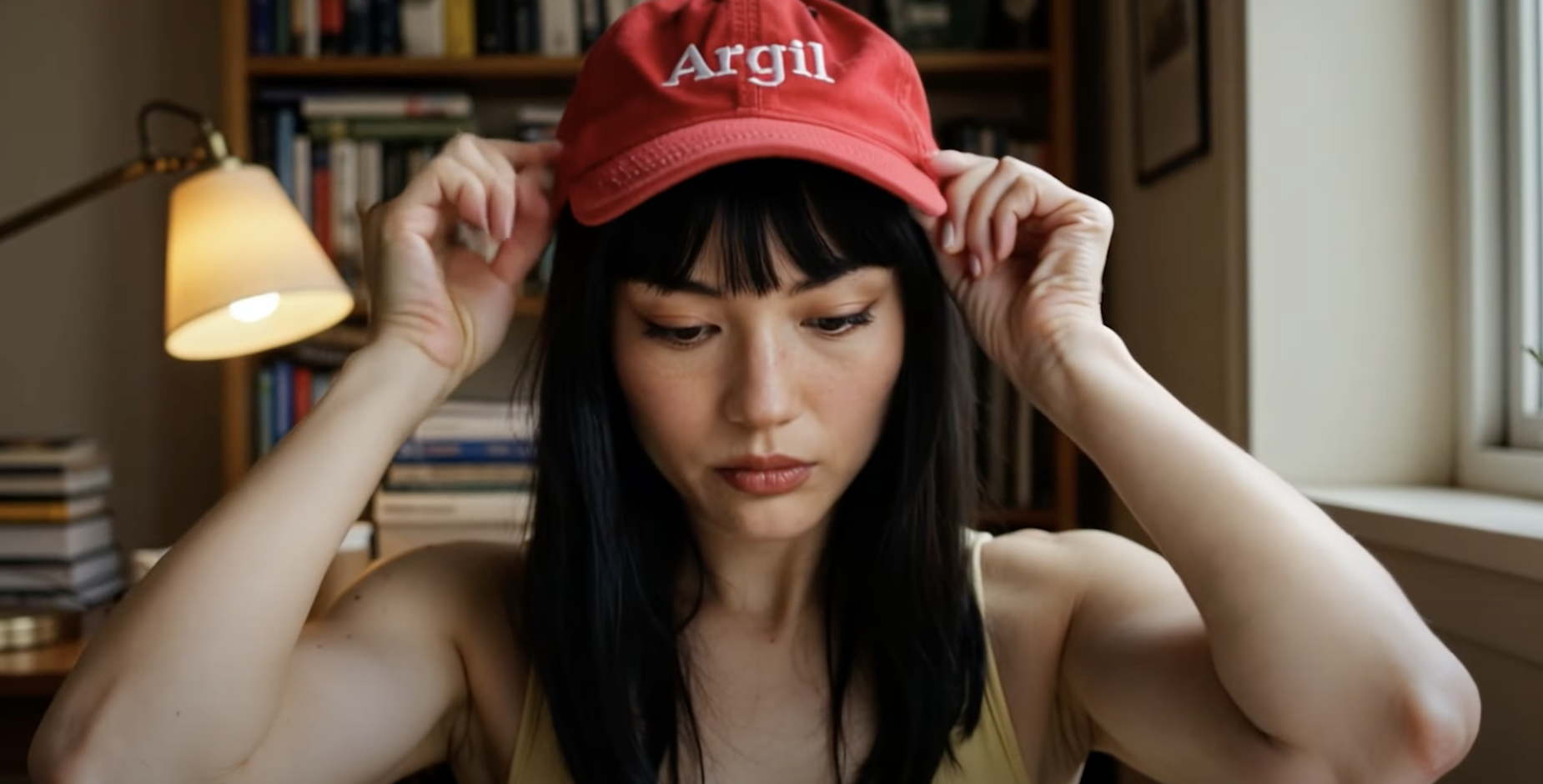
That barrier has been removed completely. One of the most interesting themes in recent creator economy news is how AI avatars and automated video workflows are democratizing professional-looking content.
Where large YouTubers once dominated through production quality alone, solo creators can now achieve similar polish using AI tools and avatars A consultant can turn a blog post into a short-form video, a lawyer can explain legal concepts without recording new footage every day, and a coach can produce multilingual workouts without filming in multiple languages.
Argil is leading this change by allowing creators to generate expressive AI avatars trained on their own voice and delivery, removing the need to be physically on camera for every piece of content. The result is not just more content, but more consistent presence.
Consistency remains one of the strongest predictors of audience growth, but it’s no good posting lots of videos if they’re low-quality.
This leveling of the playing field is one of the most optimistic aspects of current creator economy news. Professional-grade video is no longer reserved for creators with large budgets – anyone with expertise, a clear message and the right tools can compete.

Creator Economy News: What Does All This Mean for Creators in 2026?
The lesson emerging from the latest creator economy news is not that creators need to work harder, but that they need to embrace the tools that will allow them to work differently.
The creators gaining momentum today are the ones who know how to make the most of their AI tools. They automate repetitive steps, reuse ideas across formats, and focus their energy on insight rather than production.
Industry conversations increasingly suggest that creator teams will become smaller rather than larger, supported by smarter tools instead of larger budgets, and that AI influencers will become more widespread.
Argil reflects this new model. Instead of requiring creators to film constantly or manage complex editing pipelines, it enables camera-optional creation while maintaining personality and authenticity. For solo creators and small teams, that changes what is realistically possible in terms of output.
Creator Economy News Headlines: Will AI Eventually Replace Content Creators?
If there is one consistent message across creator economy news so far in 2026, it is that the opportunity remains enormous. Creators who build efficient workflows can maintain quality, avoid burnout, and grow more predictably over time.
But AI tools are not replacing creators – they are replacing the need for large production teams and expensive workflows. Professional video, once the biggest barrier to entry, is becoming accessible to anyone willing to adapt.
For creators, agencies and solo entrepreneurs, this moment represents an opportunity rather than a threat. The tools now exist to build video-first brands without the overhead that once made it impossible.
In alignment with the latest creator economy news, Argil represents what happens when AI video stops being a novelty and becomes a practical way to communicate ideas at scale. For creators looking to stay competitive in the evolving creator economy, the question is no longer whether to use AI, but how to use it intentionally.
And for many, that starts with building workflows that allow them to create more impact with less effort. Sign up today to get started with Argil, and see how much time and money you can save generating high-quality, platform-ready video content.