What Is Aspect Ratio and Which Ones Are Best for Vertical and Horizontal Video in 2025?
Aspect ratio is an important element of video content, but it can seem confusing at first glance. Here, we explain vertical and horizontal video formats for socials.

What Does “Aspect Ratio” Mean?
If you're wondering what aspect ratio means, you’re not alone. But if you’ve ever seen a video that looks weird or out of proportion on your phone, or has those telltale black bars on Instagram, you’ll know how important they are to the viewing experience.
The straightforward answer is that “aspect ratio” refers to the relationship between a video's width and height, written as two numbers like 16:9 or 9:16. It's not the same thing as resolution, which refers to pixels.
Aspect ratio is really about the shape of your video. It means the difference between watching something widescreen versus full-screen vertical on your phone.
Getting this right actually matters way more now than it used to. TikTok, YouTube Shorts, Instagram Reels and YouTube all want different video formats, which means creators are constantly re-editing, re-uploading and generally tearing their hair out trying to convert video content into the right size and aspect ratio for each platform.
And uploading a video with the wrong aspect ratio won’t just annoy your viewers – it could even mean the algorithm blocks people from even seeing it. But don’t worry – in this article, we’ll cover the main aspect ratios for video content and teach you an easy way to reformat content for every platform.
The Most Common Video Aspect Ratios in 2025
16:9: The Horizontal Standard for TVs, Computer Monitors and Most Online Videos

This aspect ratio is what most cameras shoot by default. It's what you see on YouTube, webinars and regular high-definition TV. People expect this format when they're watching longer content on a laptop or desktop, such as a full-length YouTube video.
The 16:9 shape gives you that wide, cinematic look that works great for tutorials, vlogs, product walkthroughs and online courses. The only problem is, it’s terrible for mobile-first platforms. 16:9 videos on TikTok or Instagram get shrunken down into this tiny letterboxed square that nobody's going to watch. These days, 16:9 works best as your starting point that you can then adapt into other formats.
9:16: The Vertical Format for Mobile-First Platforms
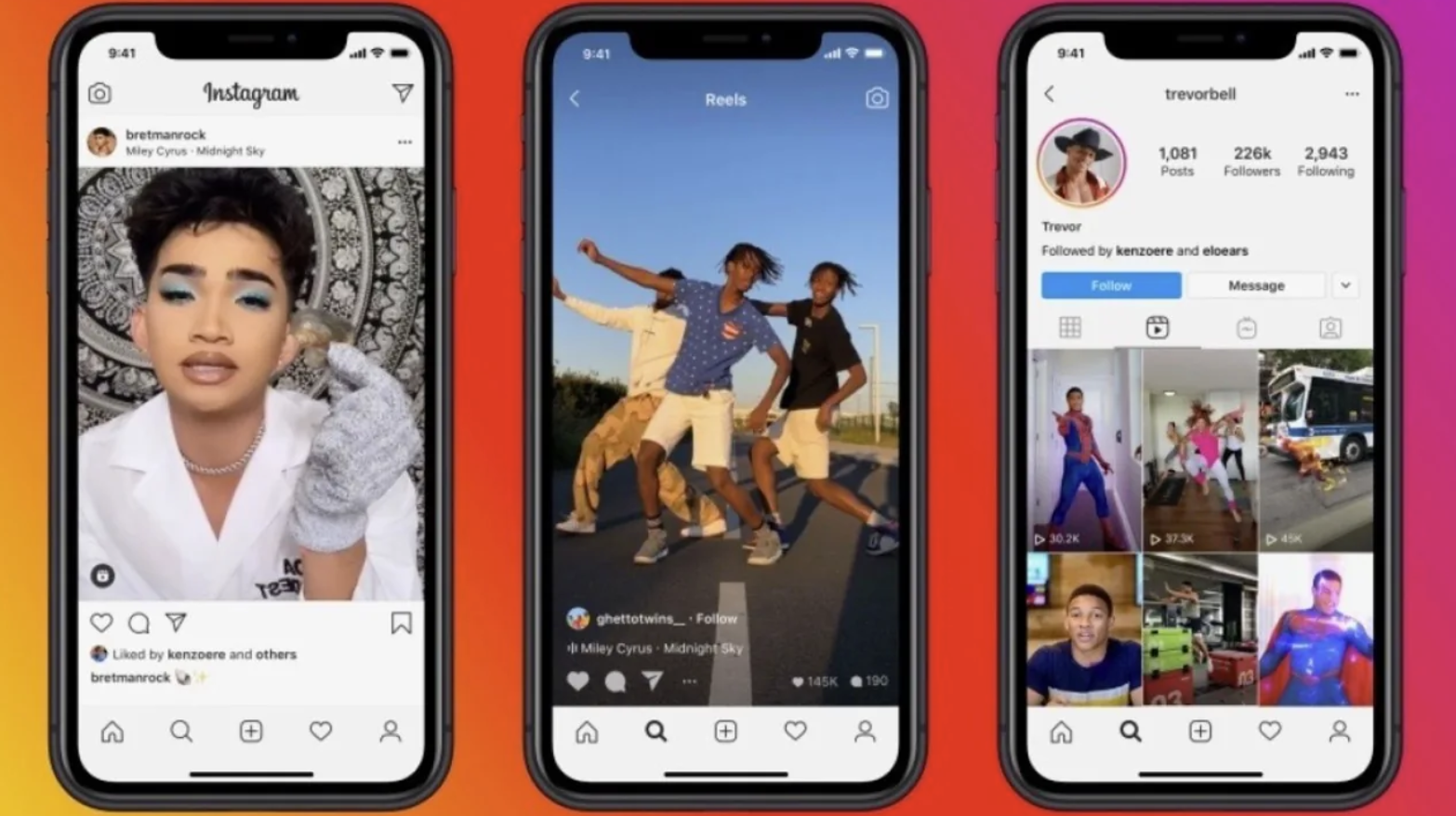
This aspect ratio is basically 16:9 flipped on its side, and it's completely taken over social media. Vertical videos fill up your entire phone screen, which is how most people watch content across TikTok, Instagram Reels, YouTube Shorts and Facebook Stories. These platforms all push 9:16 content because it provides that full-screen, immersive feel.
Content creators using vertical are seeing huge jumps in engagement— and it makes sense when you think about it. Vertical video uses every inch of your phone screen with no wasted space, no black bars and no awkward cropping. If you're trying to reach younger audiences or anyone scrolling on their phone, 9:16 is pretty much essential.
1:1: The Square Format Used for Instagram and Facebook (Not So Common in 2025)

Square videos had their moment on Instagram and Facebook a few years back because they worked well on both phones and computers. However, in 2025, the square format feels kind of outdated. It doesn't take full advantage of phone screens, and it doesn't have that immersive quality you get with vertical.
You'll still see square videos for quote graphics or text-heavy posts, but the algorithms aren't really pushing them anymore. If you're deciding between square and vertical aspect ratios, it’s best to go vertical.
4:3: The Traditional Square Ratio for Older TVs and Computer Monitors\
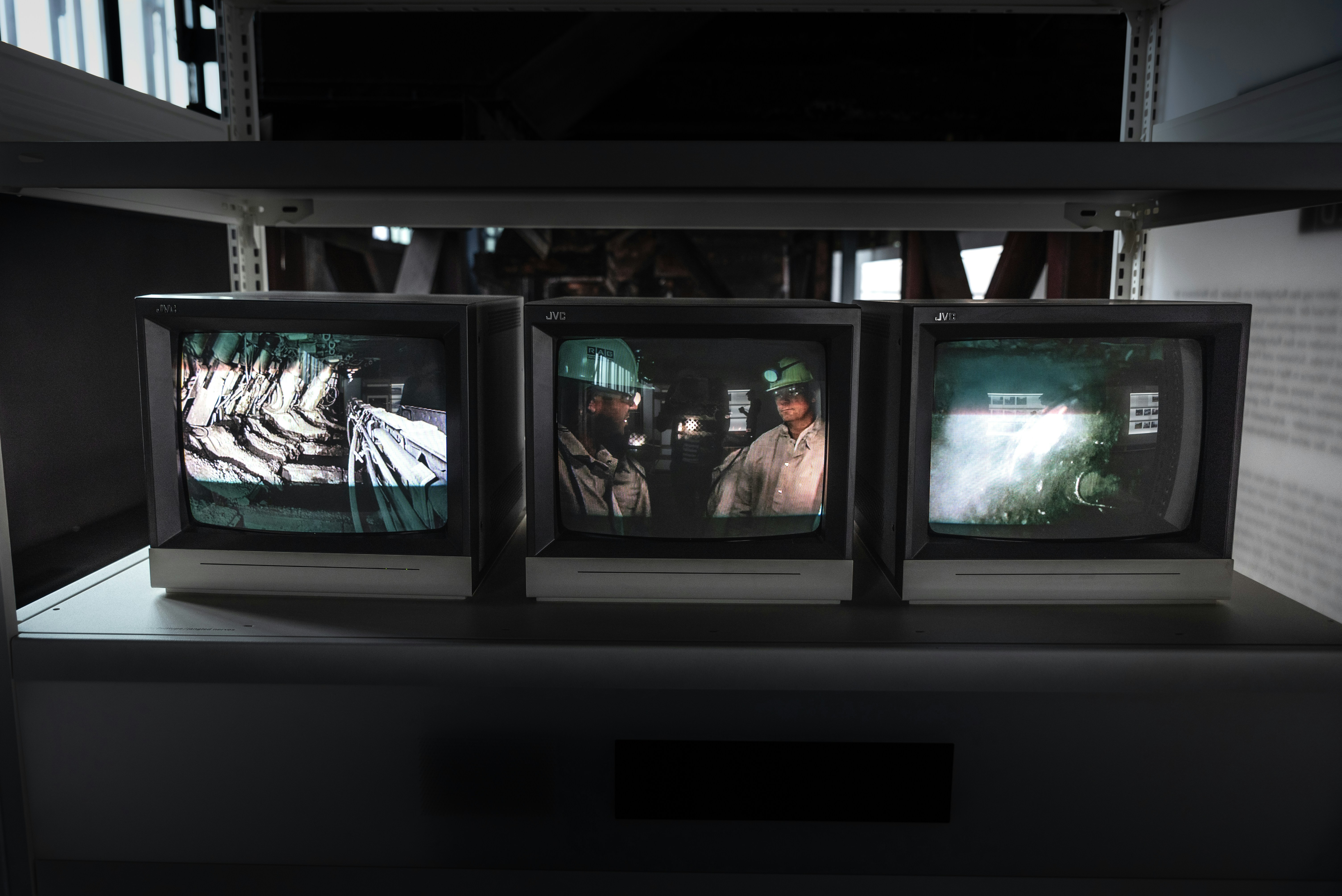
This is the aspect ratio that old TV shows and early digital cameras used. Unless you're specifically going for a retro vibe, there's no reason to use it in 2025. Modern platforms don't handle 4:3 well, and people will just see black bars everywhere which will detract from the viewing experience.
21:9: The Ultra-Wide Cinematic Format

Ultra-wide aspect ratios are what you see in fancy film productions, movie trailers and high-end ads. They look incredible in a theater or on a big monitor, but they're a pain for social media or mobile content more generally.
If you upload 21:9 to TikTok or Instagram, you'll have to crop it down to 9:16 or 16:9 anyway. Most people shoot in ultra-wide as source footage that gets reframed later.
Horizontal vs. Vertical: Choosing the Right Aspect Ratio by Platform
So when it comes to aspect ratios, when do you actually use horizontal versus vertical? It really comes down to the platform you’re using.
Horizontal formats like 16:9 and 21:9 are best for longer YouTube videos, webinars, livestreams and anything people watch on a computer.
Vertical formats dominate on TikTok, Instagram Reels and YouTube Shorts. These are mobile-first platforms where most people only ever watch videos in vertical mode. The algorithm on these platforms actually favors vertical content because it matches how people naturally hold their phones.
This is important, because using the wrong aspect ratio can completely tank your performance – causing cropped visuals, weird framing and people scrolling away from your content.
The problem is that manually re-editing for every platform is exhausting. Filming once and then spending hours cropping and resizing for five different platforms is just not sustainable for most content creators. This is where AI tools can actually help.
How Argil Turns Aspect Ratio Headaches Into Automated Workflows
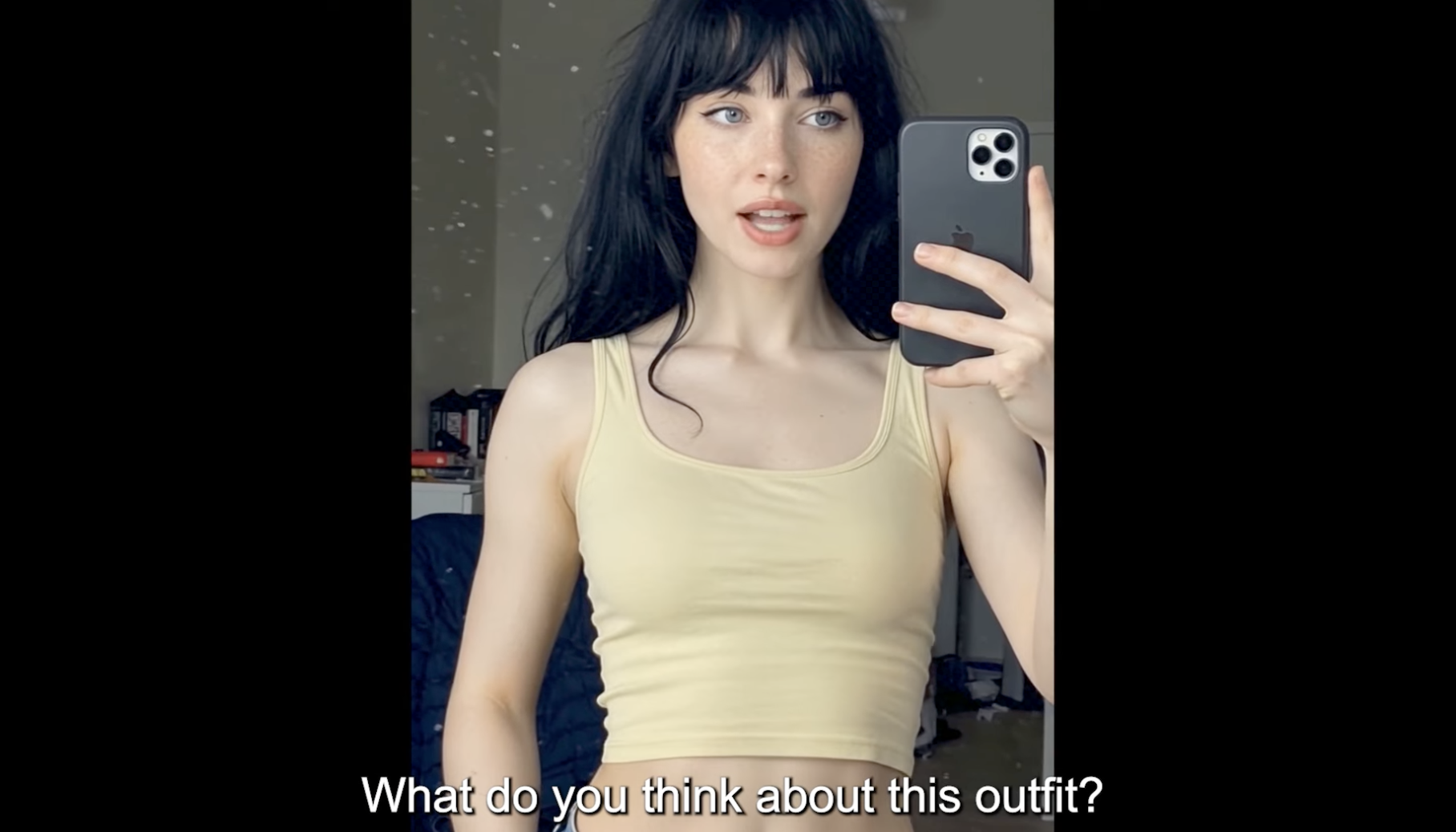
Argil is an AI video agent that handles content repurposing and resizing for you. Instead of spending hours in a video editing app trying to turn your 16:9 take into 9:16, Argil does it automatically. You start by recording a quick two-minute video of yourself talking. Argil uses that to train a personal AI clone based on your voice and how you look and speak. After that, you just write a script, and Argil creates a fully edited short video in whatever aspect ratio you need.
Need a vertical 9:16 video for TikTok? Done. Want to turn that same script into a horizontal 16:9 video for YouTube? Also done. Argil’s AI handles resizing, reframing, captions, transitions and even B-roll.
This is why Argil is so different from basic video generators. Most tools will make a video from your text, but then you still have to edit it, export it and reformat it yourself. Argil works more like a co-pilot that handles the repetitive stuff autonomously – you still have creative control, but the tedious work gets done for you.
Aspect Ratios: Format Matters More Than You Think
In 2025, understanding aspect ratios means understanding why some of your content performs and some of it doesn't. Get the ratio wrong and you're basically throwing away views, followers and potential revenue.
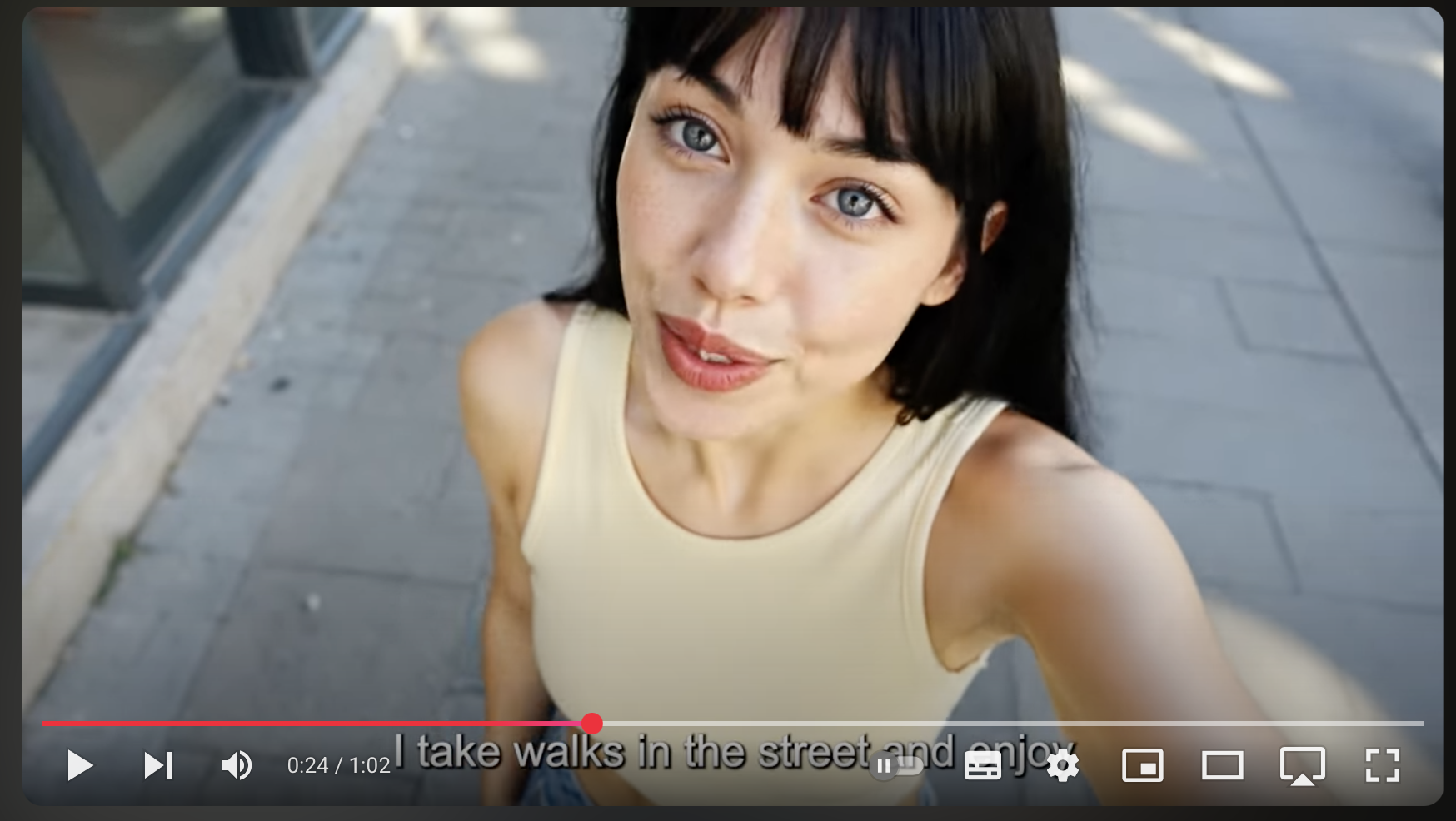
With Argil, you can create the right format instantly without manual editing, allowing you to stop treating aspect ratios like an annoying requirement and start using them to your advantage.
Create one video, and distribute it everywhere in minutes. Stay ahead of the game by letting AI handle your format optimization while you focus on making good content.
Ready to give it a try? Sign up today and start your free trial – you’ll soon see how Argil can help you post more regularly, scale your processes and monetize more content.