Seedance AI Face Swap: Can It Actually Replace Your Face in Video? (What It Does and What Works Better)
Seedance AI video generation tool
What is Seedance AI Face Swap?
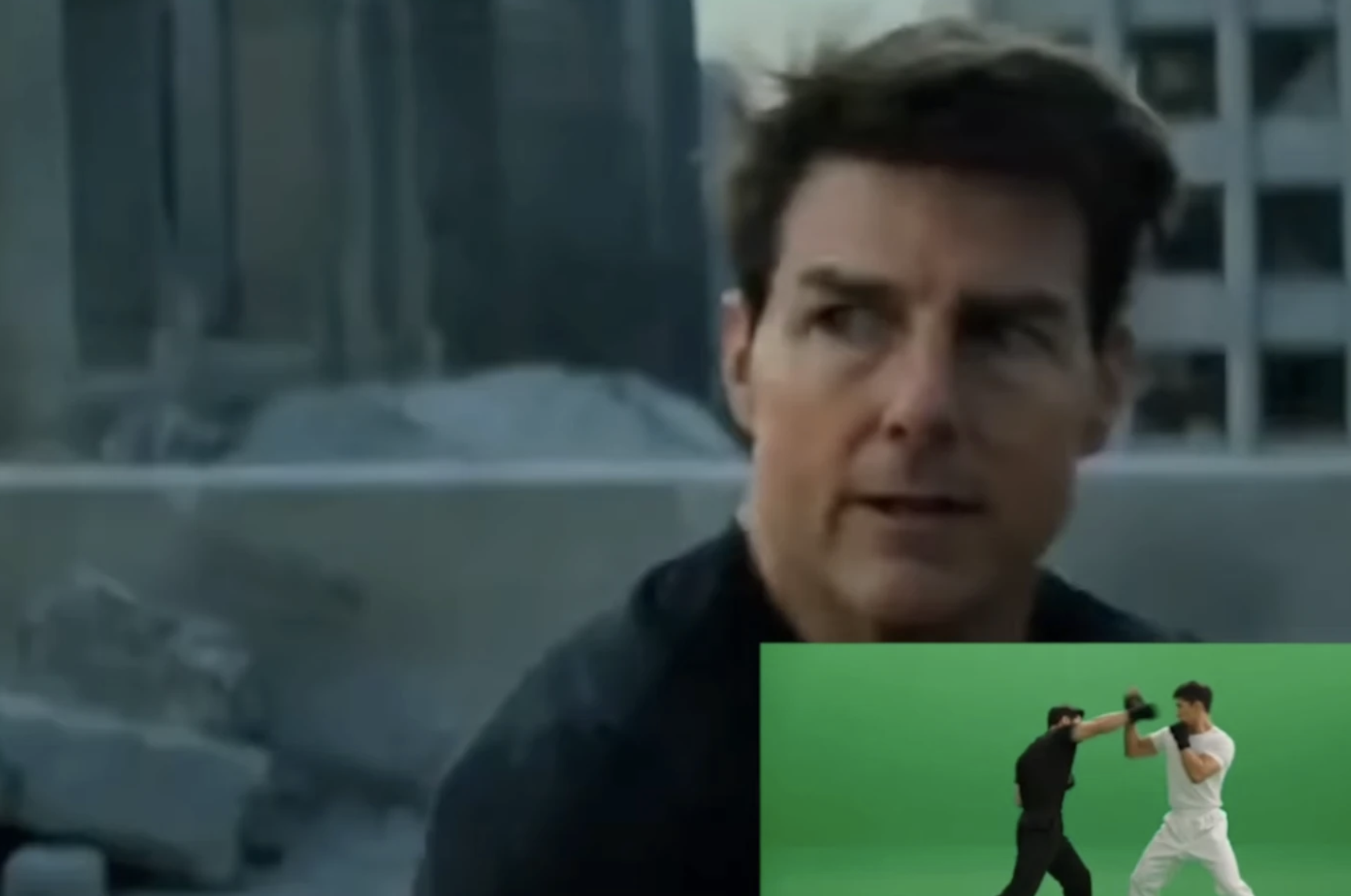
Since the release of version 2.0, there’s been a lot of talk about Seedance AI in media and marketing circles. You may have even seen the now infamous video of “Tom Cruise” and “Brad Pitt” fighting, posted to X by Irish filmmaker Ruairi Robinson.
The Hollywood backlash, including cease-and-desist letters from studios such as Disney and Paramount and industry bodies like the Motion Picture Association, has only amplified the attention on Seedance. When a tool can generate dramatic fight scenes or hyper-realistic movie-style footage from a short prompt, people assume it must be able to do face swap as well.
That assumption drives thousands of searches for “Seedance AI face swap” and it’s easy to see why. If a model can generate realistic humans on demand, surely it can insert your face into a video? But that leap skips an important distinction between generating a scene and replacing a specific identity inside an existing clip.
The short answer is clear. Seedance is not a face swap tool. It does not offer face replacement functionality like other AI avatars and cloning tools. However, understanding why requires a closer look at what the platform actually does and how face swap tools are built differently. Let’s explore the tool’s features and limitations.
What Is Seedance AI and What Does it Do?
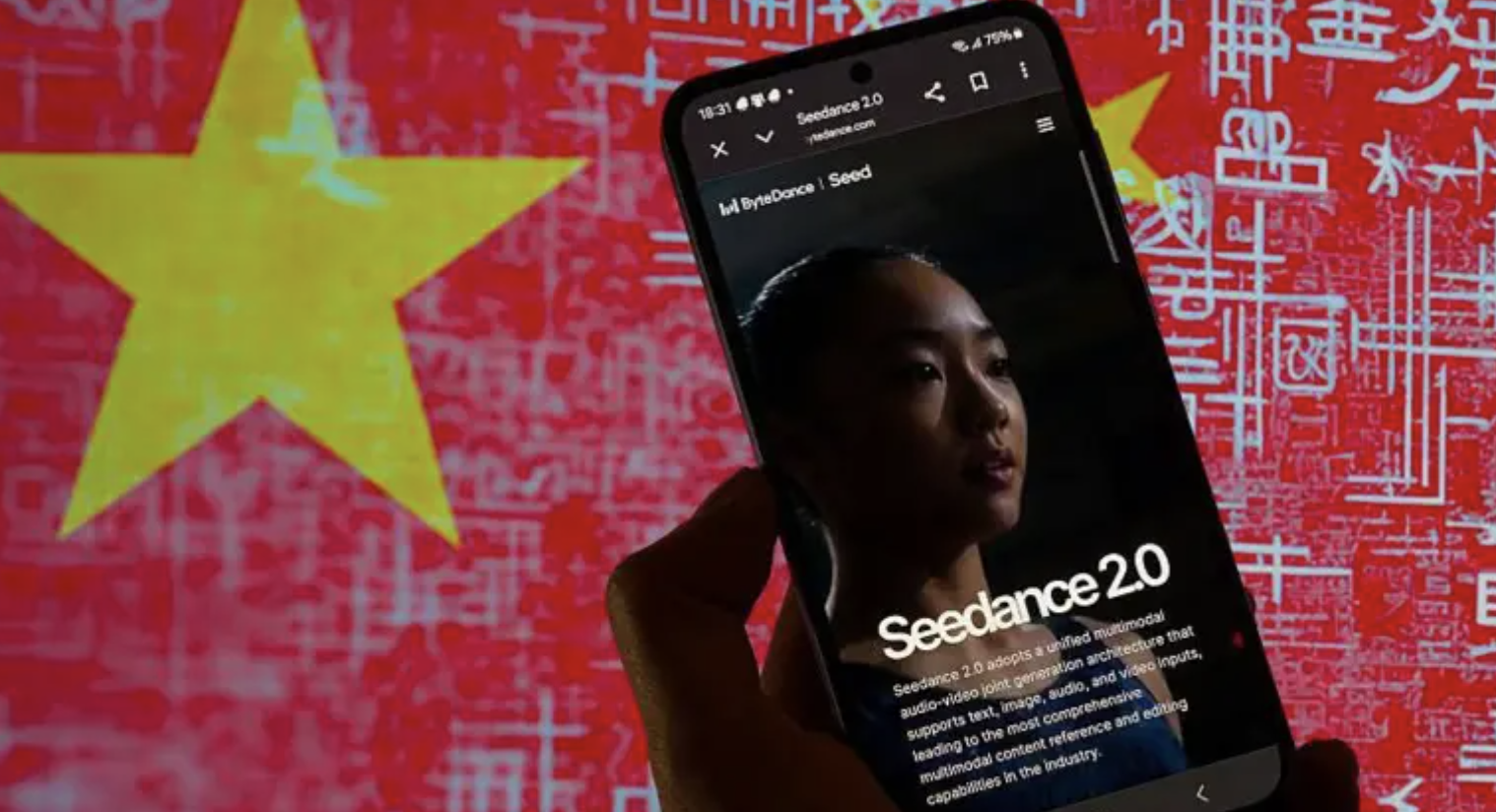
Seedance is ByteDance’s AI video generation model. It currently exists in three primary versions:
Seedance 1.0 introduced multi-shot video generation from text and image prompts, producing 1080p, 24fps clips between five and ten seconds long in roughly forty seconds.
Seedance 1.5 Pro expanded those capabilities with 4K output, longer clip durations, and a dual-branch diffusion transformer architecture built on 4.5 billion parameters.
**Seedance 2.0** unified multimodal generation, combining text, image, audio and video inputs into a single workflow.
Unlike other, more corporate marketing focused tools, like HeyGen and Synthesia, Seedance is built for cinematic prompt-based generation. You describe a scene, tone, lighting style or action, and the model produces video that often looks professionally shot.
It supports multiple aspect ratios including 9:16 for vertical platforms, 16:9 for widescreen and square formats for social feeds. Camera movements such as pan, tilt, zoom and orbit are built into the system.
One of Seedance’s strongest features is native audio-video generation. Version 1.5 Pro and later models generate dialogue and sound effects alongside the visuals rather than adding audio afterward. This results in tighter lip synchronisation and more coherent sound design. As a result, the output feels intentional rather than stitched together.
Seedance is available through ByteDance’s Jianying app for Chinese users and is rolling out globally through CapCut. Other third-party platforms also provide access. Pricing typically operates on a credit system, with new users receiving free credits to test the platform.
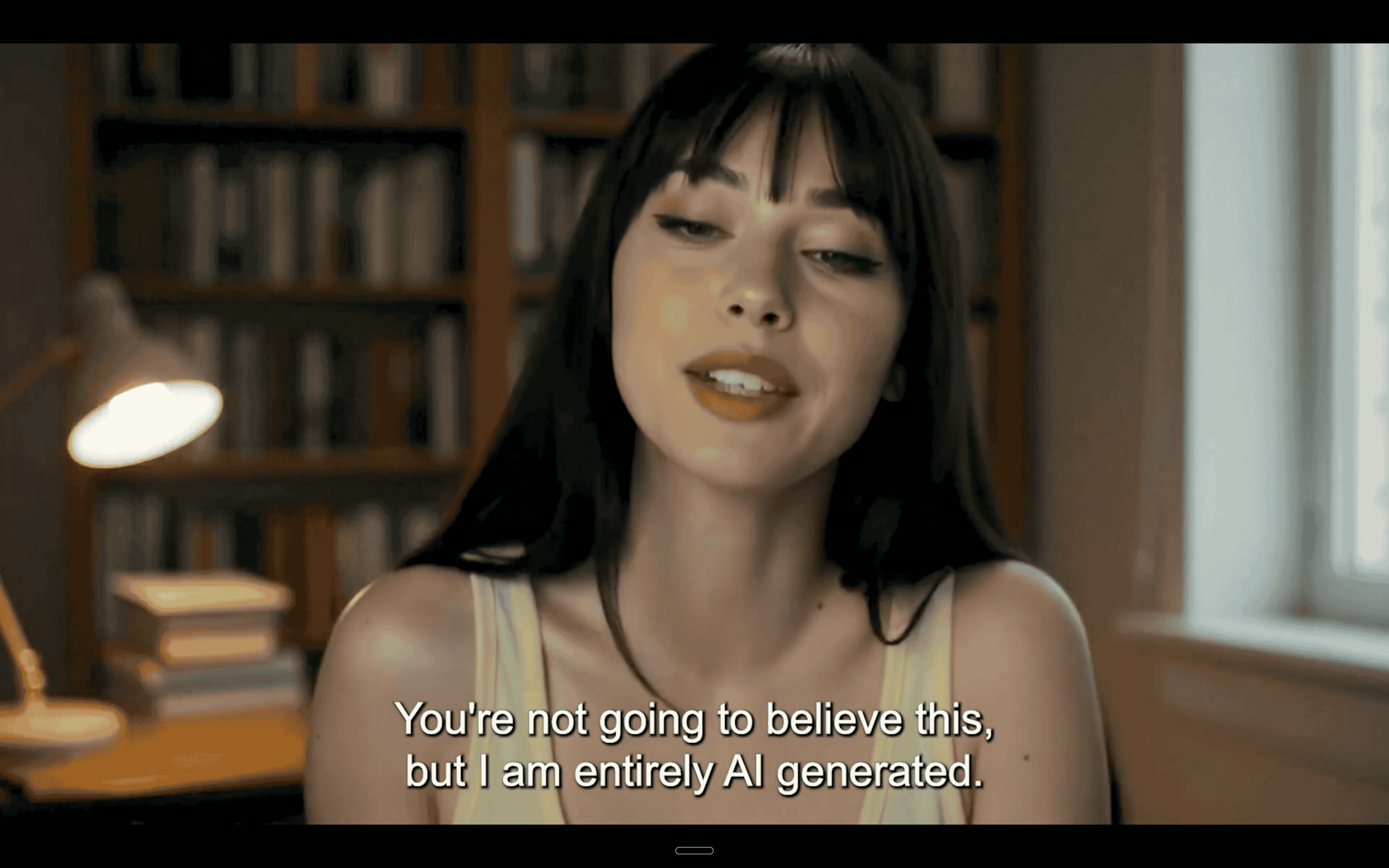
But here’s the key limitation of this much-hyped AI tool: Seedance does not take an existing video and replace a face in it. It does not train on your personal footage to create new content of you. Instead, it generates entirely new scenes populated by AI-created subjects derived from prompts. Even when it produces a character that resembles a known figure, that resemblance is generated from text instructions rather than face grafting.
Understanding AI Face Swap Video 3.0 Tools
If you are searching for AI face swap video 3.0 solutions, you are looking at a different category of technology altogether. Face swap platforms are built to modify existing footage – they detect faces frame by frame and replace them with another identity while preserving the body, motion, lighting and environment.
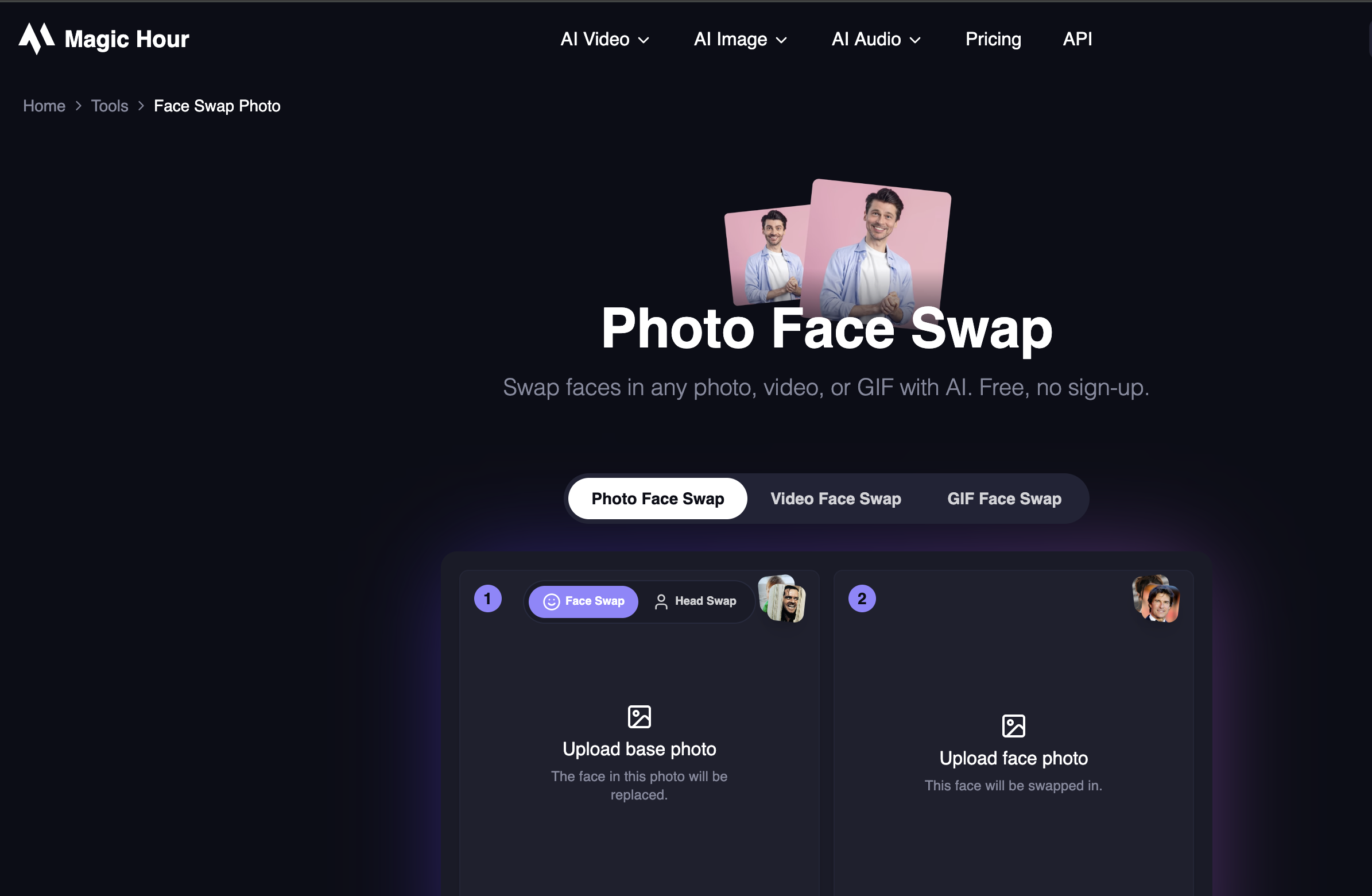
For example, Magic Hour positions itself as an all-in-one AI creative studio with face swap as a core feature. It supports photo, GIF and video swaps. The tool also offers 4K output and multi-face detection, which allows different faces to be swapped within the same clip. For short-form entertainment content, the results can look convincing, especially with high-quality source material.
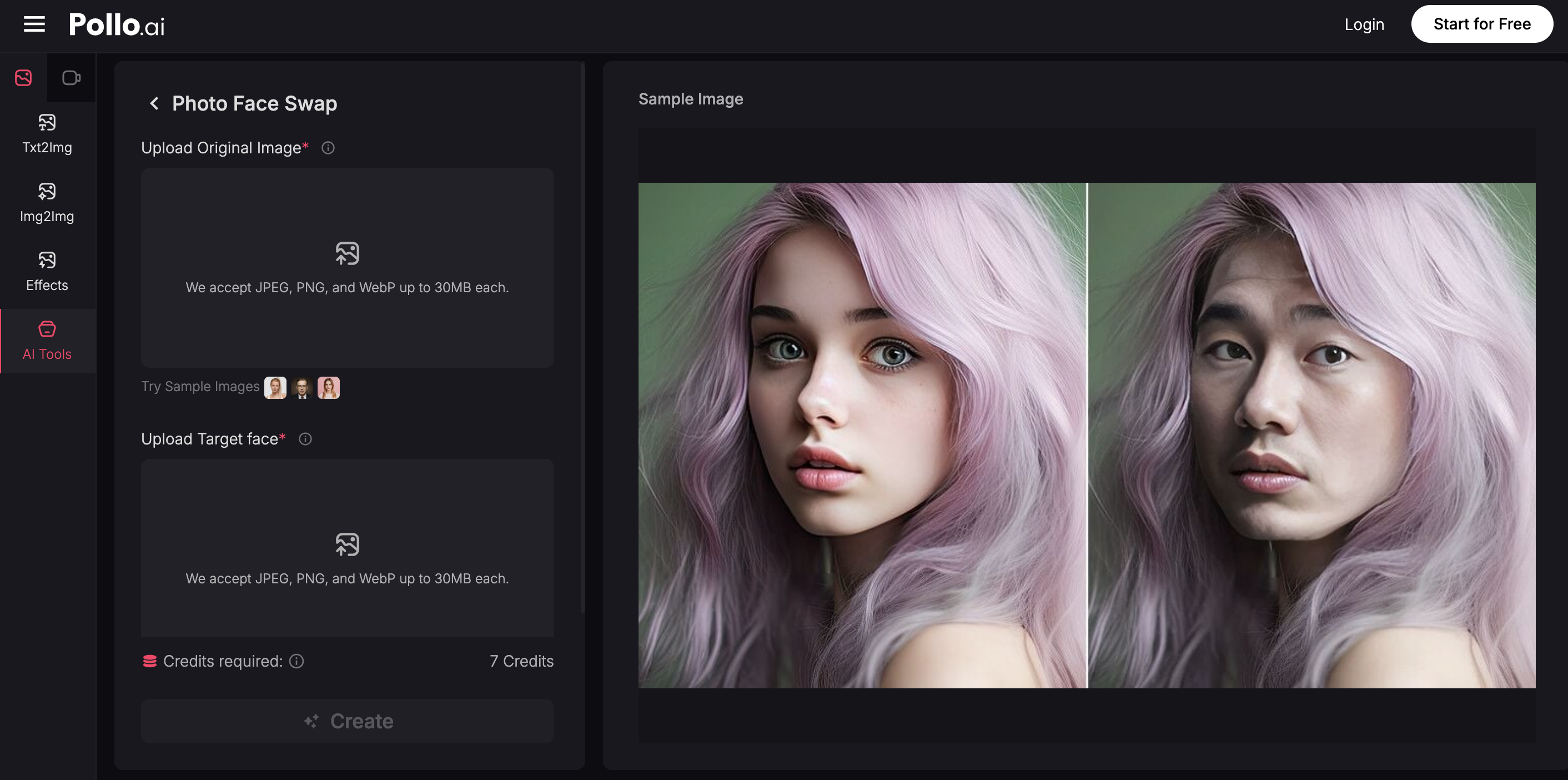
Pollo AI offers a browser-based face swap tool supporting MP4, AVI and MOV formats. It automatically detects faces across frames and allows users to assign replacement faces, performing best when the original footage is well-lit and front-facing.
HeyGen – a well-known AI video tool – also integrates face swap into a broader AI video ecosystem. It matches skin tone, angles, and facial expressions while allowing quick processing directly in the browser.
Despite improvements, these tools share similar constraints in that they require existing footage as a base. Essentially, your face is layered onto someone else’s body and movements rather than replicating footage of you. The output remains derivative because the technology isn’t advanced enough – the motion, environment and context belong to the original clip instead of to the subject (you).
The Third Option: Avatar Cloning Tools
Many people searching for “Seedance AI face swap” are not trying to create memes. Instead, they want more video content featuring themselves without filming constantly. If this sounds like you, you might be a content creator, marketer or founder trying to establish yourself online through personality-driven videos. The usual bottlenecks here are time and resources.
The thing is, neither Seedance nor traditional face swap tools are going to solve this problem for you. Seedance cannot generate consistent video of a specific real person, and face swap tools depend on external footage and never produce truly original performances.
AI avatar platforms like Argil approach the challenge differently. Instead of generating generic scenes or modifying existing clips, they train a model on your face based on actual speaking footage to create a clone capable of delivering new scripts in video form.
The output is not a face pasted onto someone else’s body but an original video generated around your trained likeness. And the best part is – captions, transitions and B-roll are integrated automatically. The workflow moves from script to finished short-form content without requiring manual editing.
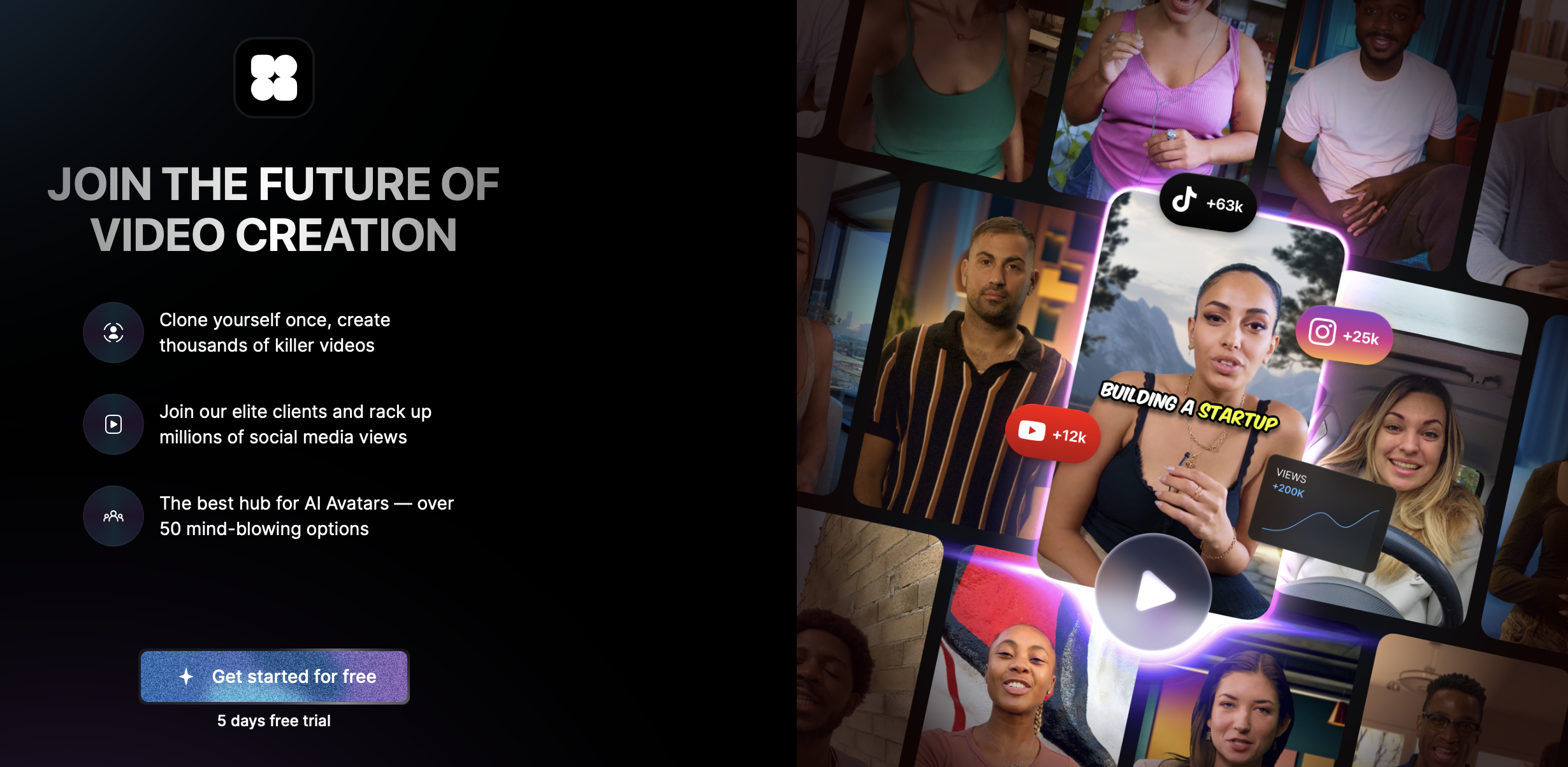
The difference in scalability is significant. With face swap, you need new base footage for each new idea. With an avatar system, you can generate unlimited videos once training is complete. Write a new script and produce a new piece of content featuring your own face and voice patterns.
For content creators, founders, coaches and professionals who rely on consistent visibility, Argil’s model addresses the core challenge. It reduces filming time while maintaining recognizable presence.
Is Seedance AI the Right Tool for Your Needs?
Whether or not Seedance AI is right for you depends on your needs and objectives. If your goal is to insert your face into movie scenes or trending clips for entertainment, dedicated face swap platforms such as Magic Hour or Pollo AI are great for this, plus their pricing is reasonable and their interface accessible.
If you need cinematic, prompt-driven visuals for advertising, B-roll or concept storytelling, Seedance AI delivers impressive results, particularly for short advertising clips.
But if your underlying goal is to scale video content featuring your own likeness, clone-based platforms such as Argil provide a more effective (and scaleable) solution. Argil generates original video of you rather than modifying someone else’s footage or inventing AI-generated subjects.
Sign up today to get started with Argil – you get your first 5 days completely free and you can try out all our features, including automatic editing and training your very own AI clone.