Seedance 1.0 Explained - What Can ByteDance's First Video Generation Model Do?
ByteDance’s first AI video generation model caused a lot of buzz in technical circles – but what can Seedance 1.0 actually do, and what are its limitations?
What Is Seedance 1.0 and Why Did ByteDance Build It?
If you’re following AI video trends, chances are you already know what Seedance 1.0 is and what it does. But in case you don’t, Seedance is a video generation model developed by ByteDance (the parent company behind TikTok and CapCut) that lets users generate short videos using image prompts.
This article focuses on Seedance 1.0, the first iteration of the video generation tool, but also touches on Seedance 2.0, the latest model. Here, we’ll discuss the tool’s architecture, performance, strengths and practical limitations. We’ll also explore Argil as an alternative for consumer-facing software.
What Does Seedance 1.0 Actually Do?
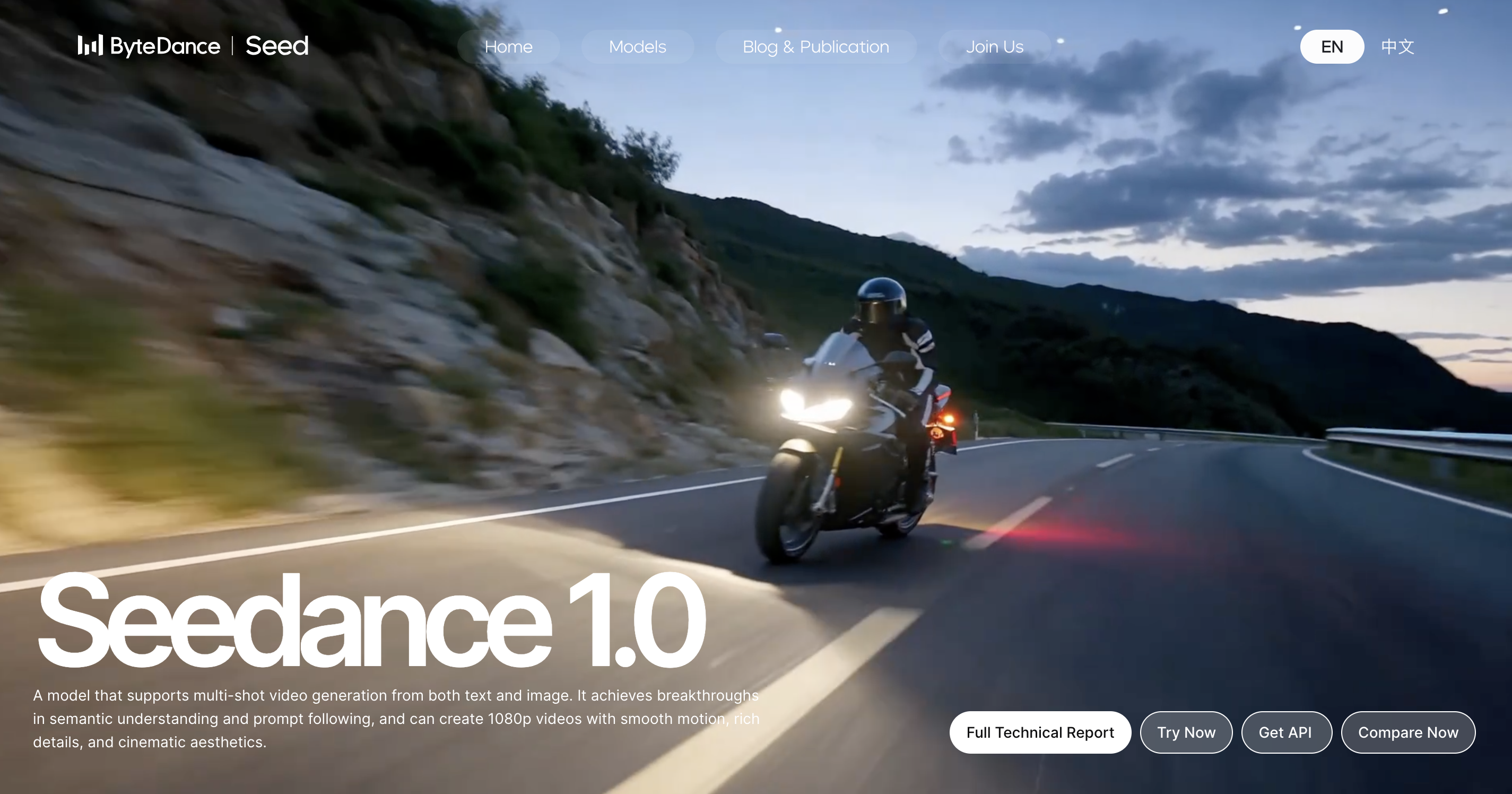
Seedance 1.0 is ByteDance’s first-generation video foundation model, released in June 2025 by the company’s Seed research team. It was designed to address a key limitation in early AI video generators – that models could either produce visually appealing frames, follow prompts accurately, or generate believable motion, but rarely all three at the same time.
To close this gap in the market, ByteDance merged two internal efforts: Pixeldance focused on video generation research, while Seaweed focused on infrastructure and scaling.
The result was Seedance 0.1 — a unified video generation system built to balance motion realism, prompt adherence and workflow efficiency in a single tool.
What Are the Three Seedance 1.0 Variants?
The model launched in three primary variants:
- Lite is optimized for speed and lower-cost generation at 480p–720p.
- Pro delivers full 1080p output with higher motion fidelity and multi-shot capability.
- Pro Fast retains Pro-level quality while significantly improving generation speed and lowering inference cost.
Why Does Seedance 1.0 Stand Out?
When it was first released, Seedance 1.0 stood out because of one key architectural decision – the choice to combine text-to-video and image-to-video in one model, rather than in separate tools.
This joint training approach allowed the model to learn visual consistency and motion patterns more effectively, improving overall performance across both tasks.
How Does Seedance 1.0 Generate Videos?
At its core, Seedance 1.0 is designed to solve one of the biggest problems in early AI video tools: keeping movement smooth and consistent from one frame to the next.
Older AI video systems often generated each frame almost independently, which could lead to flickering, shifting details or unnatural motion.
Seedance 1.0, by contrast, generates only small sections of video at a time, allowing the model time to understand how movement should continue from one moment to the next. This helps objects, lighting and camera motion stay stable throughout the clip – a vital component of engaging video content.
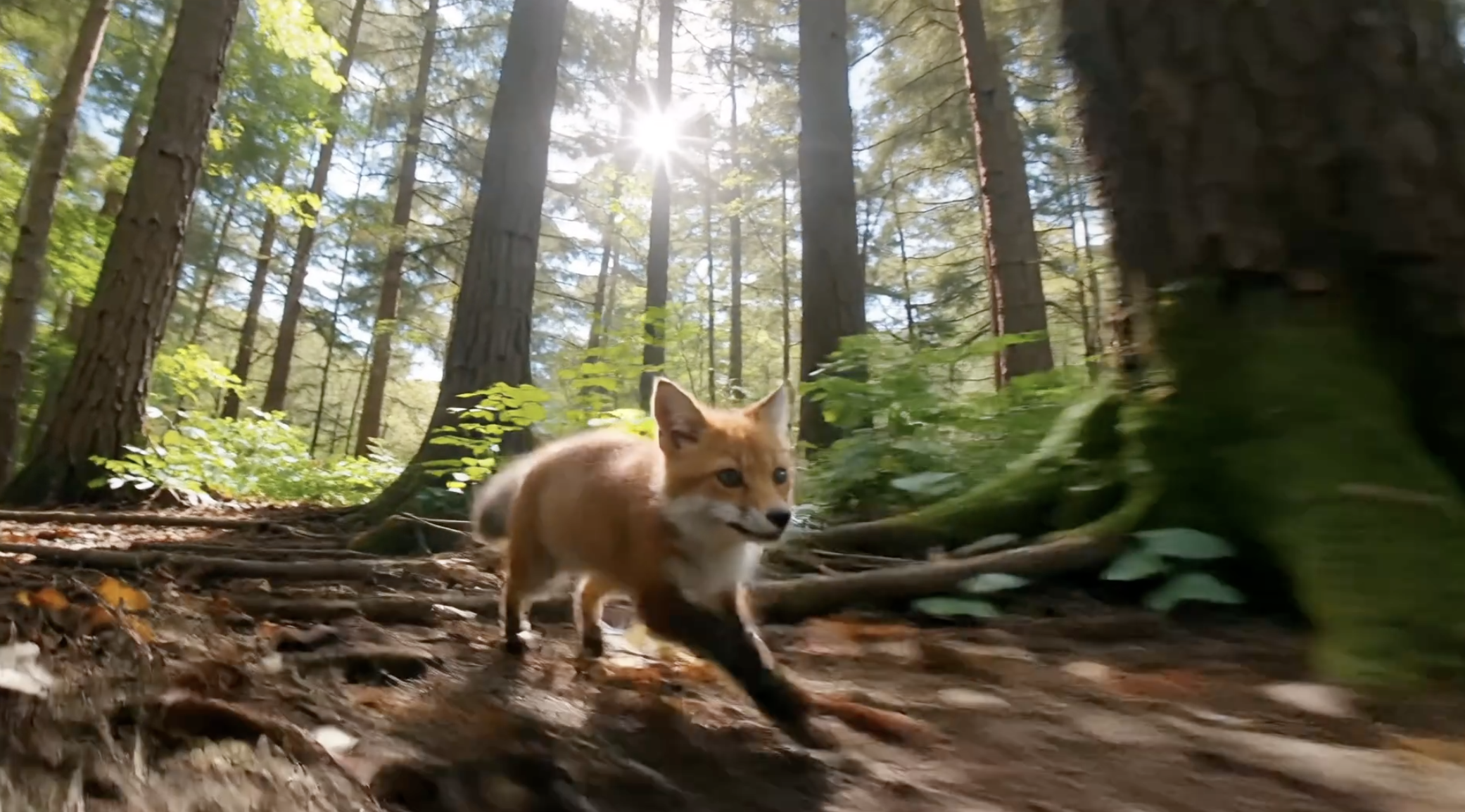
Rather than simply animating images, Seedance 1.0 has been trained on large amounts of real video data, allowing it to learn common patterns in how things move (for example, how people shift their weight, how objects slow down or how gravity affects how something moves.) This is one reason its results tend to look more natural and less “floaty” than earlier AI-generated videos.
So how does it actually work?
When you enter a prompt, the Seedance 1.0 system doesn’t just match words directly to visuals. Instead, it first builds a rough understanding of the scene (including what the subjects are, how they relate to each other and how the camera should move) before generating the video itself. This helps the output follow prompts more reliably.
Seedance 1.0: Standout Features and Benefits
After training, the Seedance 1.0 model was further refined using human feedback, helping it balance several goals at once: matching the prompt, producing realistic motion, and maintaining visual quality.
As a result, Seedance can now generate short high-definition clips relatively quickly compared to earlier AI video models, making it practical for testing ideas and producing short-form content.
Standout features include:
Native Multi-Shot Generation
Most AI video models generate isolated clips. However, Seedance 1.0 can generate sequences containing multiple camera angles and transitions while maintaining visual consistency across shots. Characters, lighting and environments persist from one shot to the next, allowing users to create short narrative sequences rather than disconnected visuals.
This works through a multi-shot controller that interprets structured prompts. When users define shot changes in prompts, the model creates new latent sequences while preserving scene continuity.
Precise Camera Movement
When using Seedance 1.0, camera movement is controlled through prompt tokens that map to predefined cinematography vectors. Movements such as dolly shots, pans, tracking shots and zooms can be specified directly, along with lens characteristics that influence depth of field and framing.
In practice, this makes Seedance 1.0 particularly good for cinematic content, advertising visuals and concept-driven storytelling, where visual variety matters more than dialogue or personality.

Is Seedance 1.0 Still Relevant?
With the release of Seedance 2.0 in early 2026, many users naturally question whether Seedance 1.0 is already outdated.
Seedance 2.0 introduced major upgrades, including native audio generation, multimodal inputs and conversational editing workflows. These additions moved the outputs closer to fully generated audiovisual content rather than silent cinematic clips.
However, the transition has not been straightforward. The newer model’s rapid capabilities also triggered legal scrutiny around copyright and likeness generation, creating uncertainty for commercial users. In contrast, Seedance 1.0 remains stable, predictable and widely supported across API platforms.
For many workflows, especially those focused on visual assets rather than dialogue-driven video, Seedance 1.0 remains a practical choice. It is cheaper, faster, and already integrated into many established production pipelines.
However, the same strength also highlights the tool’s limitations. The Seedance 1.0 model excels at generating scenes, but not people. Every output is a new visual construction rather than a persistent on-camera presence, and there is no ability to create AI clones or lifelike avatars. This is one area where Argil outshines competitors, even Seedance 1.0 and Seedance 2.0.
Seedance 1.0 Pricing, Access and How to Get Started
Seedance 1.0 is primarily accessed through APIs rather than standalone consumer software. Platforms such as Replicate, WaveSpeed AI and ModelArk provide access to Lite, Pro and Pro Fast variants of Seedance through REST endpoints or browser-based interfaces.
Pricing varies depending on resolution and provider, but generally scales with output length and quality. Lite variants are optimized for experimentation and batch generation, while Pro and Pro Fast are positioned for higher-quality production assets.
Typical workflows involve writing structured prompts, generating clips, downloading outputs and then moving into separate editing or audio tools for final assembly. For developers building automated pipelines, this flexibility is a major advantage.
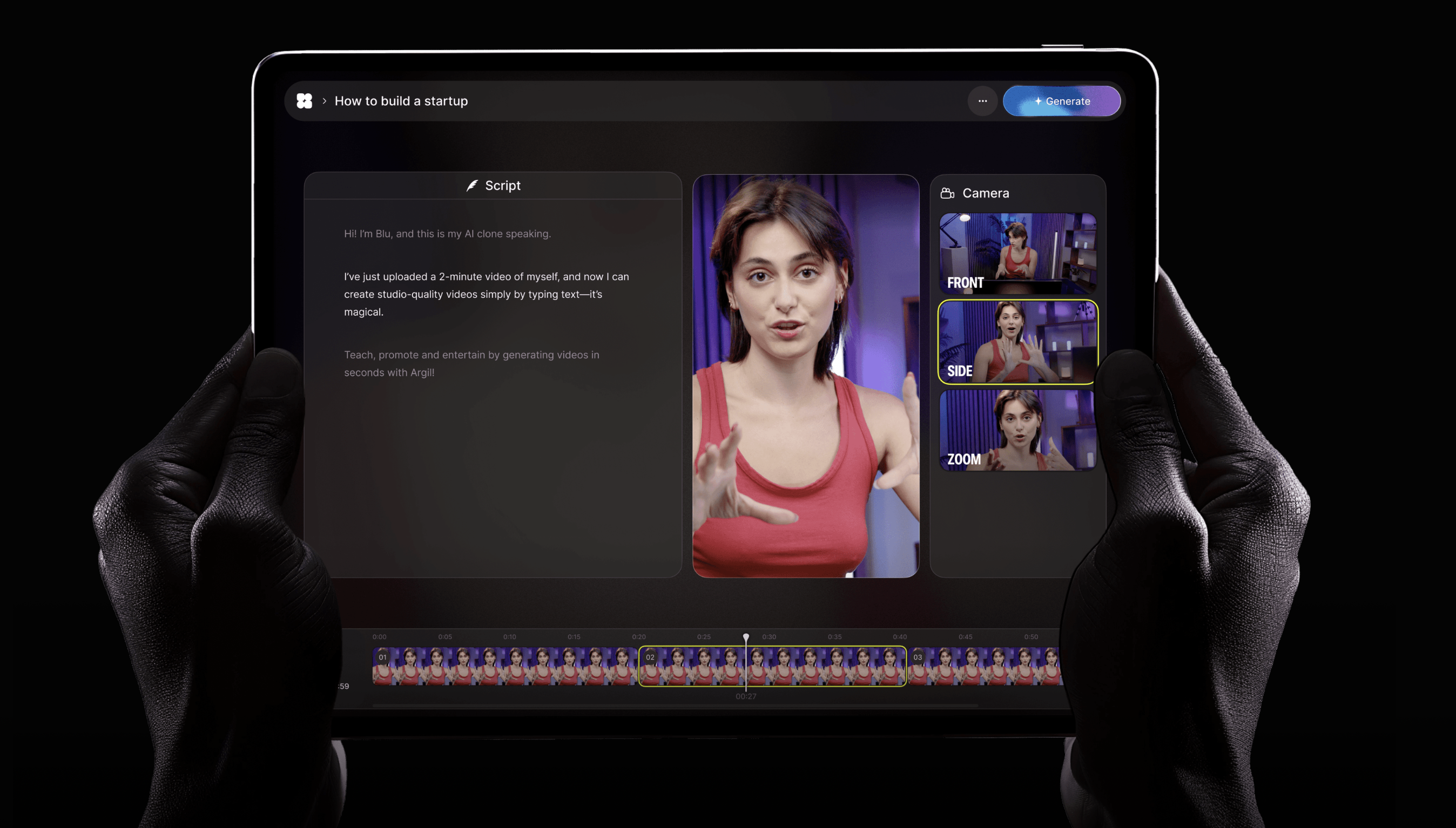
For creators or professionals focused on publishing finished videos quickly, however, Seedance 1.0’s multi-step process can become a bottleneck. Tools like Argil operate differently: scripts become finished, edited videos in under 10 minutes without prompt engineering, API setup or post-production steps, starring an AI clone that looks, sounds and moves just like you.
What Seedance 1.0 Does Well and Where it Fits
Seedance 1.0 remains an impressive technical achievement. Its joint text-to-video and image-to-video architecture, motion realism and multi-shot capabilities pushed AI video generation forward and made cinematic AI video practical for many workflows.
The tool continues to make sense for visual asset creation, concept development and effects-driven video production where speed and experimentation matter.
However, Seedance 1.0 generates scenes, not relationships — and the same can be said for Seedance 2.0. For digital creators and professionals building audiences through consistent on-camera presence, the bottleneck is not video generation itself but producing repeatable, personal content without significant production overheads.
That distinction matters when choosing tools. AI video generation models like Seedance 1.0 excel at visual creation, while AI avatar platforms like Argil excel at communication and consistency.
Sign up today to get started with Argil and see the difference yourself. You’ll get your first 5 days completely free!