How to Use Seedance AI for UGC Video Content (And Where It Falls Short)
Top AI Tools for Generating UGC Video Content: Is Seedance UGC Worth it?
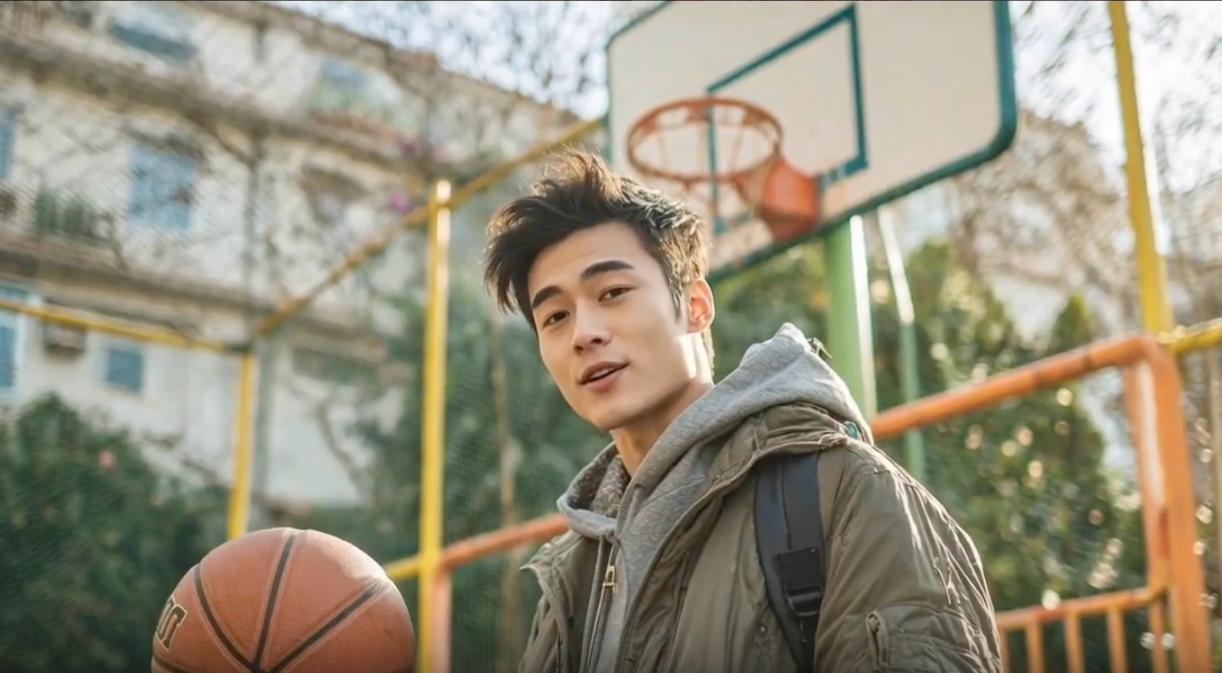
Why Use Seedance UGC?
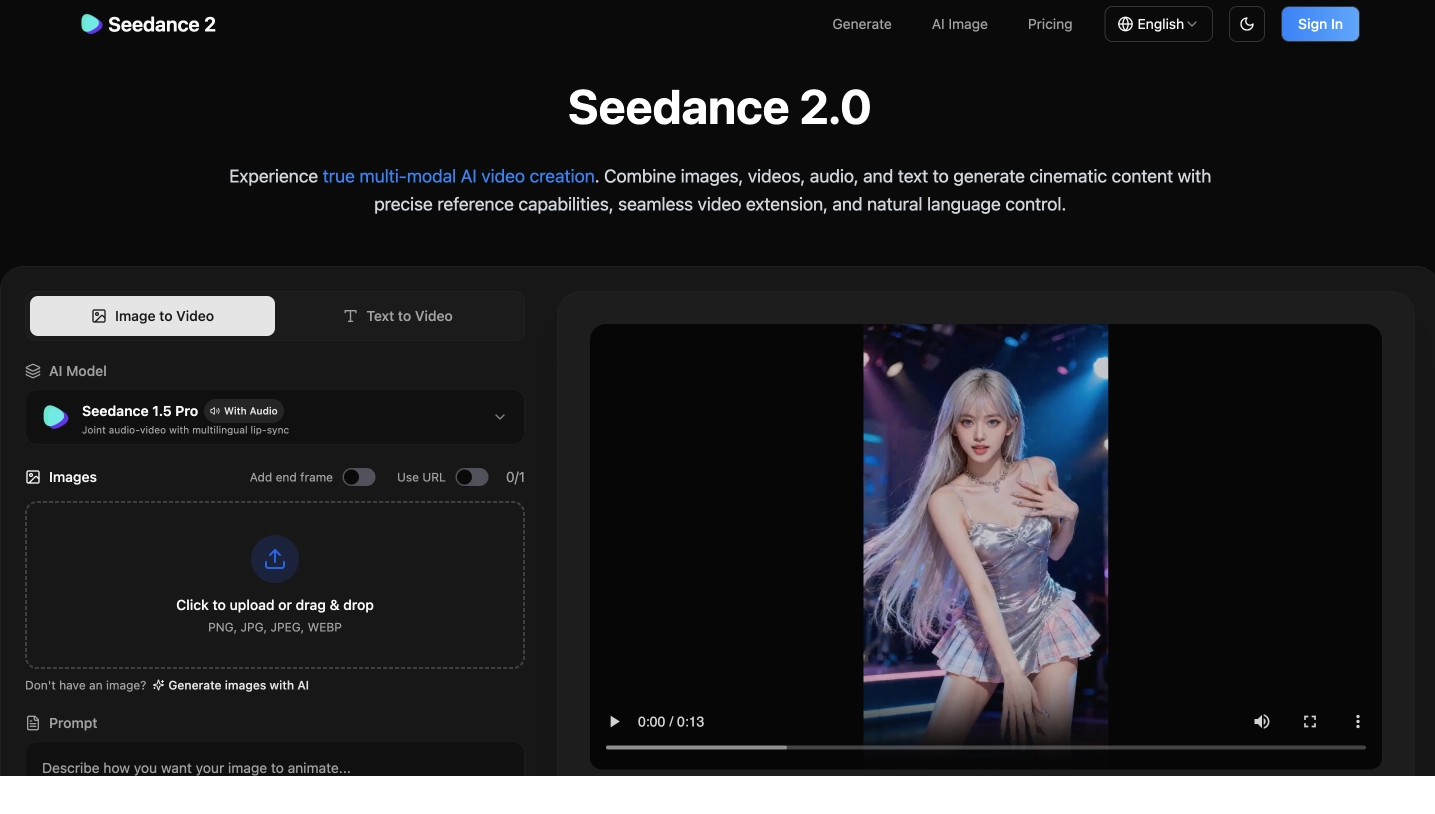
Developed within ByteDance’s ecosystem and rolled out globally through platforms such as CapCut, Seedance has become popular among filmmakers and content creators– especially in its second iteration.
Released earlier this year, Seedance 2.0 now combines text, visuals and audio in a single system, allowing users to generate cinematic 1080p clips from short text or image prompts.
The videos produced with Seedance have a level of polish that immediately captures attention. For creators and marketers producing short-form content, that visual quality sparks an obvious question: can Seedance UGC workflows replace traditional filming?
Why is Seedance 2.0 so Hyped?
The appeal of Seedance 2.0 is easy to understand. The newest model outputs vertical 9:16 video suitable for TikTok, Instagram Reels and YouTube Shorts. It also allows users to generate synchronised native audio, including dialogue, ambient soundscapes and sound effects aligned frame-by-frame with the visuals.
Seedance can also create multi-shot narratives with subject consistency across transitions, which makes the footage feel cohesive rather than stitched together.
For paid social advertisers, the implications of Seedance 2.0 are significant. Generating multiple variations of a concept in minutes rather than organising a full shoot changes the economics of creative testing. Instead of briefing a production team for each new hook, marketers can iterate quickly and cut their turnaround time in half..
Yet the question of whether Seedance can be used for UGC requires nuance. What the model does exceptionally well and what user-generated content demands are not always aligned.
Understanding that distinction is essential before building a strategy around it, so in this article we’ll compare Seedance with other top AI tools for generating UGC video content to see where it stacks up.
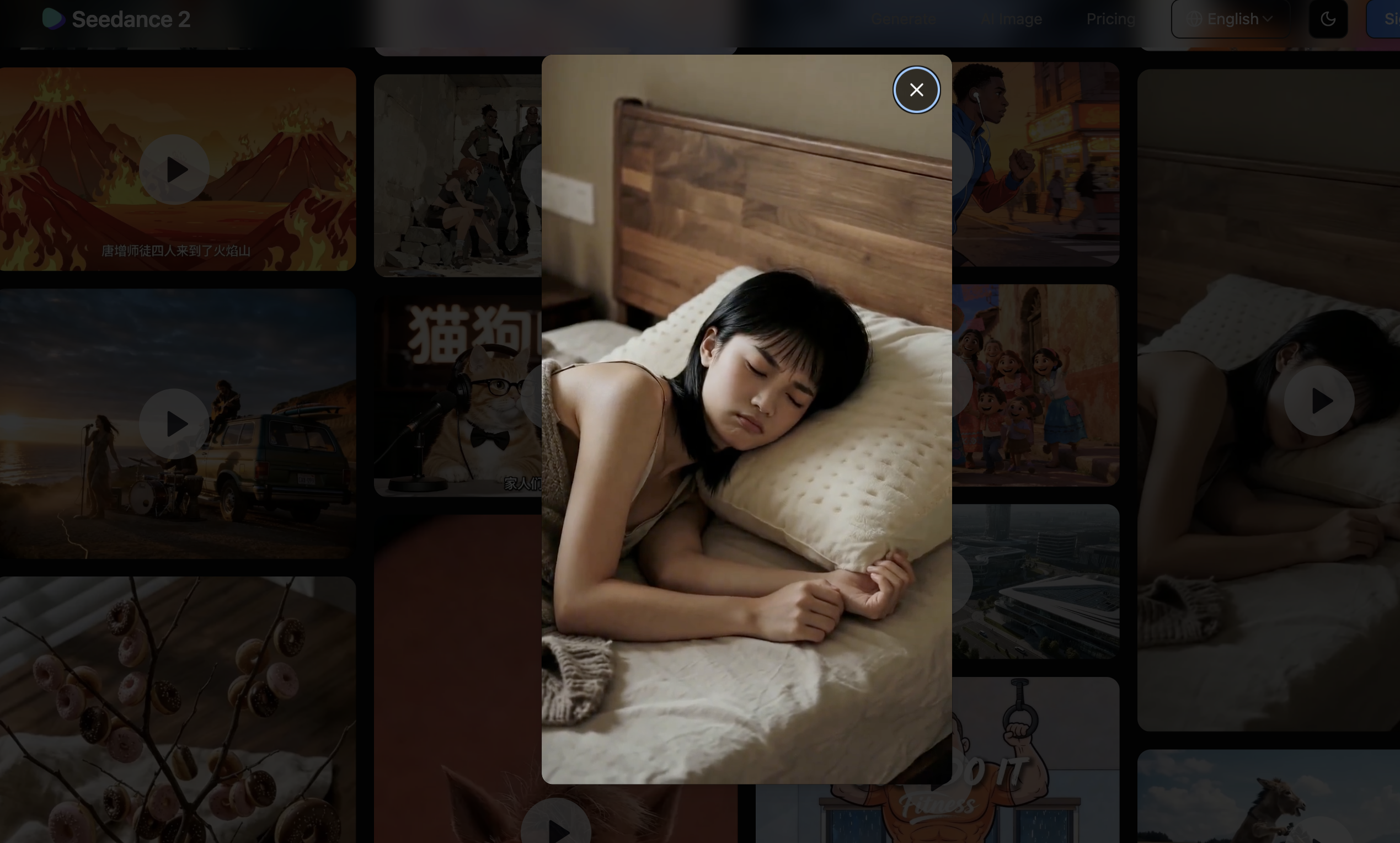
What Can Seedance Do for Brands and Marketing Teams?
Removes Location & Budget Constraints
Seedance is a highly effective video generation model. It excels at generating ad B-roll, product environment shots, lifestyle visualisations and cinematic establishing clips that would otherwise require location scouting, lighting setups and post-production work.
For example, if you’re a marketer, you can simply describe a scene such as a slow-motion coffee pour in a warm, sunlit kitchen formatted vertically for social platforms and receive usable footage in under a minute. For brands running high-volume ad campaigns, using a tool like Seedance removes a substantial production bottleneck.
Provides Native Audio Generation
The native audio generation in Seedance 2.0 adds further value. Sound effects and ambient layers are synchronised automatically, reducing the time spent in external editing software.
For product-focused content that does not rely on a specific individual appearing on screen, such as animated showcases or stylised explainers, this output can rival agency-level creative at a fraction of the cost.
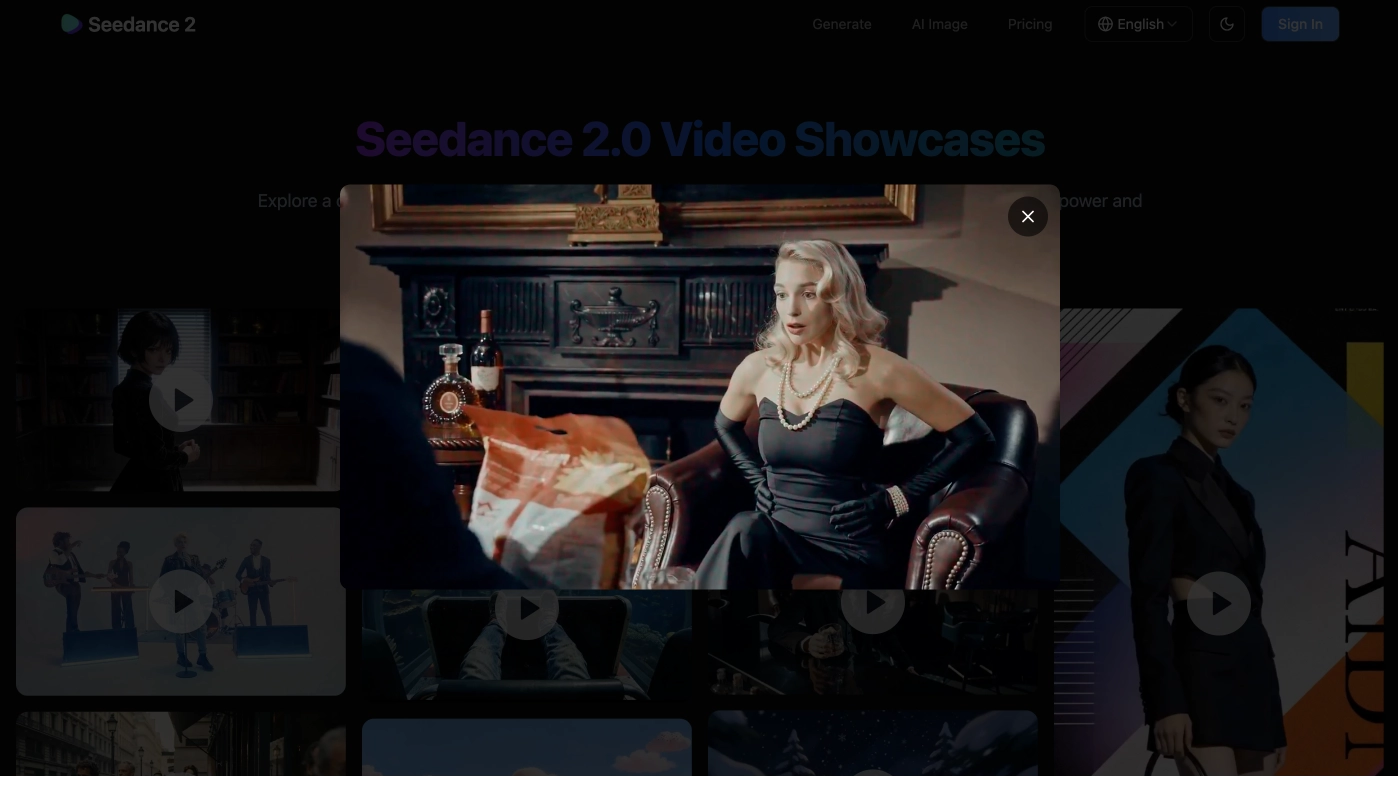
Creates Cohesive Story Arcs
Seedance’s multi-shot narrative capability allows creators to produce short, cohesive story arcs. This is useful for storytelling ads and sequential campaigns where maintaining consistent lighting, subjects and tone across scenes matters.
The image-to-video feature also opens practical workflows. By using this, brands can animate existing product photography or static marketing assets, adding motion and depth without organizing new shoots.
Generates Videos Fast
Speed is one of Seedance’s strongest advantages. Generating ten variations of a visual concept in half an hour enables structured A/B testing and rapid iteration. Creative testing is particularly important in A/B testing environments, and Seedance fits naturally into this process as a visual experimentation tool.
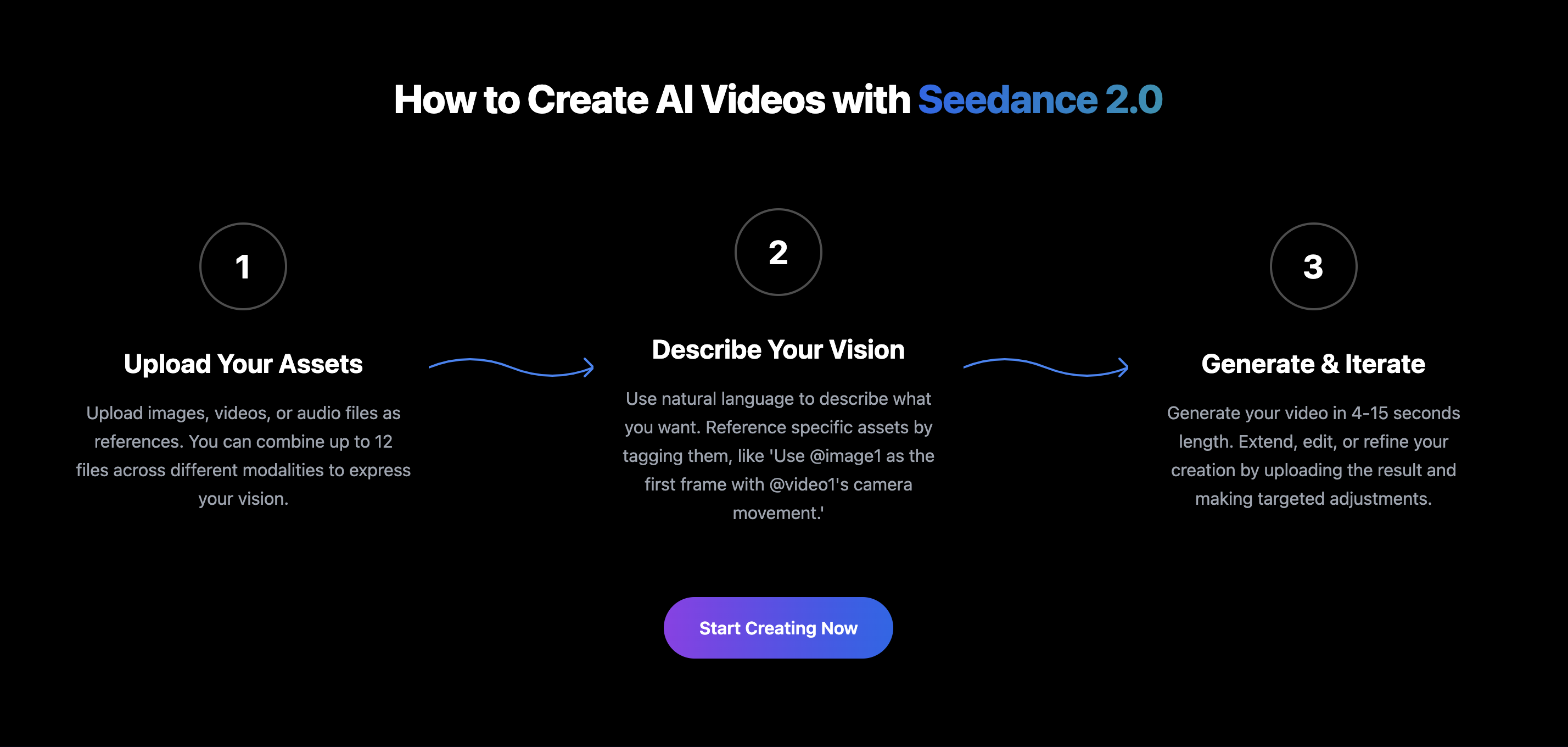
Where Seedance Falls Short for UGC
The limitations of sedance UGC usage become clear when the objective shifts from visual experimentation to personal brand building.
It all comes down to one central issue: Seedance does not generate content of a specific real person. It produces AI-generated subjects and characters based on prompts. This means it cannot replicate your face, your voice or your mannerisms unless those elements are already part of separate systems.
UGC on platforms such as TikTok and Instagram relies heavily on recognizable human presence. It works because audiences connect with individuals – real people speaking to camera about their experience, demonstrating a product in their own environment or sharing an opinion in their own voice. Seedance’s architecture is not set up for this.
There is also the question of audience perception. Social media users are increasingly sensitive to highly polished AI-generated visuals. Content that looks cinematic can perform strongly in paid placements, but organic feeds reward relatability. When content feels detached from a real personality, engagement can decline even if production quality is high.
Another practical constraint is character continuity. Each Seedance generation produces new AI subjects. You cannot build a recurring on-screen personality that audiences recognize across dozens of posts. For founders, coaches and creators building a personal brand, that consistency is essential.
There are broader industry considerations as well. Legal disputes involving organizations such as the Motion Picture Association and companies including Disney and Paramount have raised questions about training data and output rights in the wider generative AI space.
While these cases focus primarily on copyrighted characters and celebrity likenesses, they contribute to ongoing discussions about commercial usage clarity. Brands evaluating long-term content strategies should remain aware of this evolving conflict.
Other Top AI Tools for Generating UGC Video Content
Understanding where Seedance sits requires mapping the broader ecosystem of top AI tools for generating UGC video content in 2026. These tools fall into three broad categories: general AI video generators like Runway and King, talking-head avatar platforms like HeyGen and Synthesia, and end-to-end AI clone solutions like Argil.
Runway & Kling

Runway and Kling are both leading AI video platforms that allow users to create and edit videos using text, image and video prompts.
They are known for their professional-grade editing features, fast video and restyling capabilities, These kinds of tools are usually browser-based and suited to media professionals, particularly in Asian markets. They are strongest when visual storytelling is the priority and no specific real-world personality needs to appear on screen.
HeyGen & Synthesia
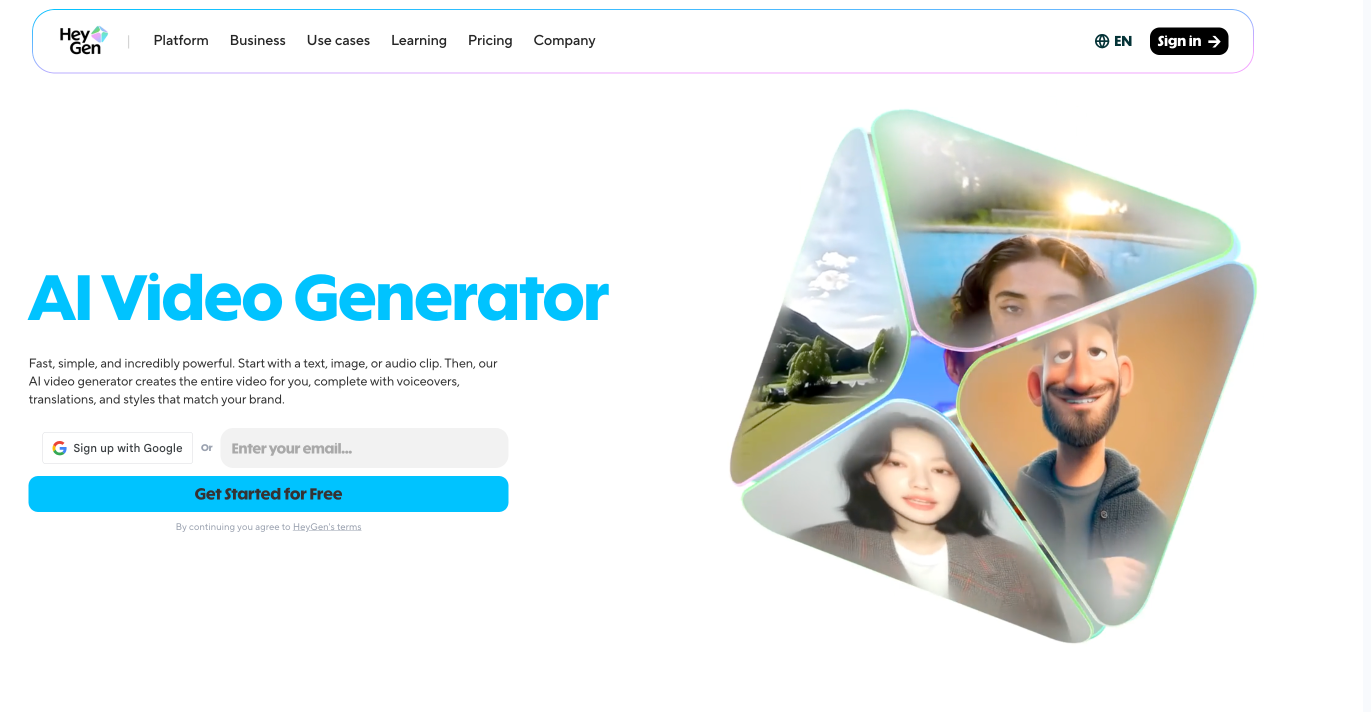
Talking-head avatar platforms like HeyGen and Synthesia allow users to create AI avatars that deliver scripted content to the camera. HeyGen offers both pre-built avatars and custom avatar creation, with multilingual voice cloning and face swap capabilities.
Synthesia provides more than 200 avatars across 140 languages, with a strong enterprise focus for training and internal communications. These platforms introduce a personal element, but the output often carries a polished, corporate aesthetic rather than the spontaneous feel associated with social UGC.
Argil
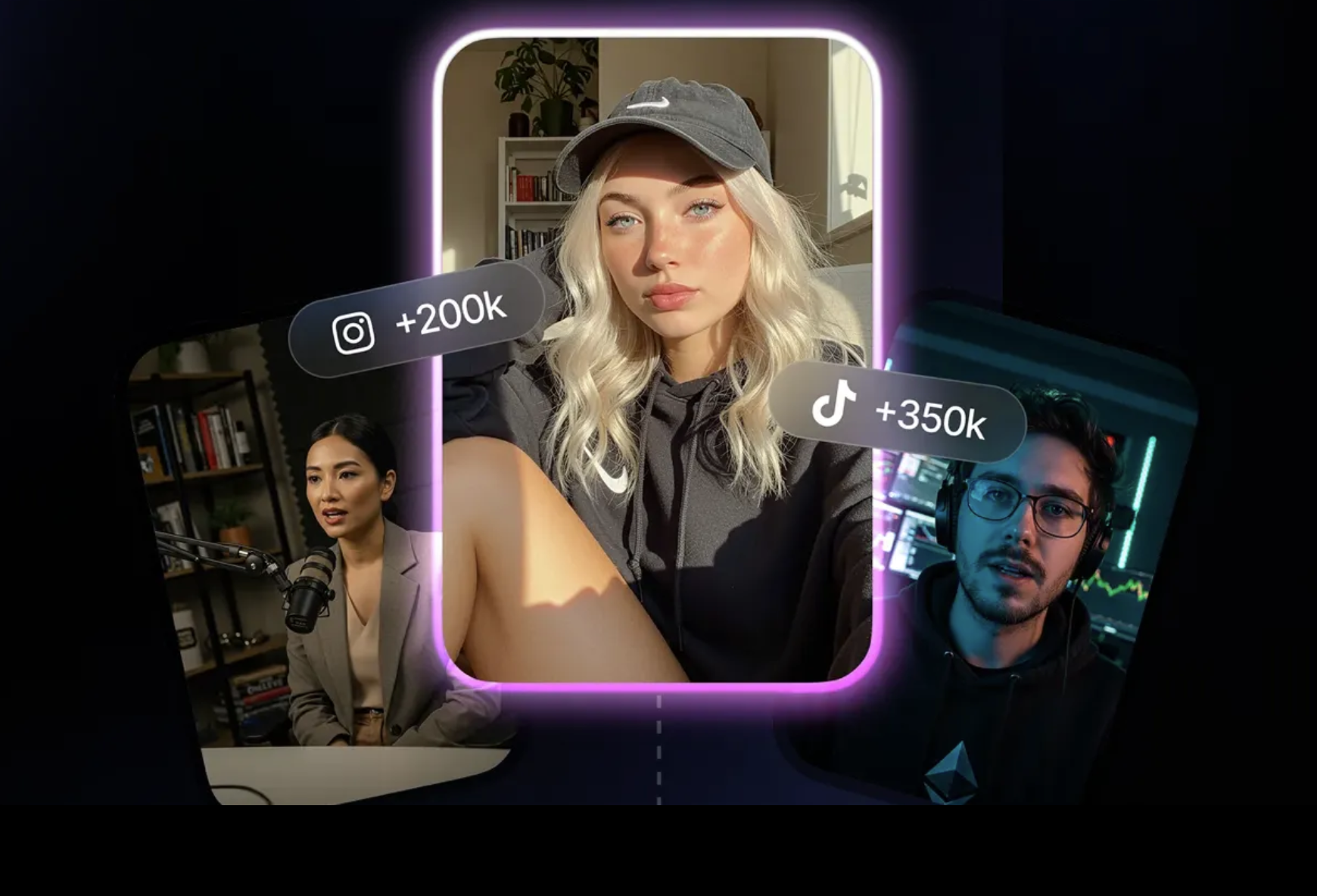
The third category consists of full end-to-end AI video platforms such as Argil. Argil trains an AI clone using approximately two minutes of a user speaking to the camera.
From a script input, Argil generates complete short-form videos that include captions, transitions, AI-generated b-roll, and editing. The result features the user’s actual face and voice patterns rather than a generic avatar. For creators aiming to publish frequently without expanding filming time, this addresses a specific scalability challenge.
Which is the Best Tool for UGC?
When it comes to the top AI tools for generating UGC video content, each category serves a distinct purpose. Generic video generators provide cinematic assets for media professionals, while avatar-led platforms are great for corporate messaging.
AI clone-based all-in-one systems like Argil are much better suited to digital influencers and UGC creators, as well as brands who want to create UGC-style content.

A combined workflow can also be powerful. You might decide to generate daily talking-head posts using Argil to maintain a consistent personal presence, while using Seedance to generate cinematic supplementary footage that enhances those posts or supports paid campaigns.
However, Argil provides everything you need — from script generation to automatic editing and resizing for different platforms — so you won’t need any supplementary tools to create engaging UGC videos.
Sign up today to get started with Argil and find out what’s possible with your realistic AI clone.