What Are the Best AI Avatar Solutions for UGC Product Ads in 2026?
Many brands in 2026 are looking for the best AI avatar solutions for UGC product ads. Here’s our roundup of the most popular tools for user-generated-style content.
What Are The Best Avatar Solutions for UGC Product Ads?
There’s a reason so many brands are looking for the best AI avatar solutions for UGC product ads, especially in the D2C space.
UGC-style ads have reshaped how products are sold on TikTok, Instagram and YouTube Shorts. Instead of polished brand messaging, audiences respond to content that feels personal and native to the feed – and unlike highly commercial advertising, influencer content actually works.
The problem is, user-generated content is not as simple as it appears. Brands trying to come up in this space rarely have the influence or resources to create this content themselves, and partnering with influencers can be incredibly expensive – not to mention you have creators’ schedules, reshoots and multiple rounds of edits to contend with.
Although the UGC formula may look simple, winning product ads rarely come from a single perfect video. They emerge from testing multiple hooks, angles and delivery styles until tangible results are achieved.
This is why AI avatar tools have become more popular in paid social workflows — not as replacements for creators, but as infrastructure that removes logistical bottlenecks. Hiring creators, coordinating reshoots and producing variations takes time and blows through budgets. In 2026, paid media moves faster than human teams can keep up with without backup.
AI avatars allow teams to scale production around proven ideas without restarting from scratch every time. But there are so many AI video tools out there, it sometimes feels impossible to know which tech you can trust.
This article looks at the best AI avatar solutions for UGC product ads through a performance lens, by focusing on testing speed, iteration and usability.
What Are the Main Bottlenecks Brands Face When Creating UGC?
The reason so many creators are searching for best AI avatar solutions for UGC product ads is because creating user-generated content is much more challenging than it appears on the surface.
These days, editing software is rarely the main limitation brands face when it comes to creating UGC. The real bottleneck is creator logistics: sourcing talent, writing briefs, scheduling shoots. All of this slows down testing cycles, where campaigns need fresh, creative and consistent output.
The best AI avatar solutions for UGC product ads can reduce turnaround time from days to minutes. Instead of replacing creators, they amplify messaging that already works. Agencies and growth teams increasingly use avatars as a testing layer, expanding successful concepts into new hooks, personas or markets.
There are so many benefits to this approach: teams learn faster because they can test more ideas without waiting on production, and marketing achieves tangible results for a brand’s bottom line.
What to Look for When Searching for the Best AI avatar Solutions for UGC Product Ads
Evaluating the best AI avatar solutions for UGC product ads requires different criteria than general AI video tools, because unlike with most social content, realism alone doesn’t predict how well a video is going to perform.
As well as seeming realistic to viewers, video UGC ads must also feel native to the platform. Delivery style, tone and pacing matter more than photorealistic visuals when you’re creating user-generated content. If your ad feels scripted or overly polished, engagement will drop and your video won’t even get eyes on it, let alone engagement.
Hook variation is also important for short-form content, so look for a tool that will let you test out different intros for the same product ad. Being able to test the same message across different personas or geographic areas is also vital, especially for brands running multiple campaigns or targeting different audiences.
It’s no use creating a stunning UGC video if you can’t duplicate and edit that same content quickly and easily. Starting from scratch each time you need a new variation will cost you precious hours and budget.
A/B testing readiness is another key factor. Outputs should be immediately usable in multiple ad platforms, with vertical formatting, captions and pacing already optimized. Think about it like this: every additional editing step (whether it’s translating captions or resizing for different platforms) slows you down.
Comparing the Best AI Avatar Solutions for UGC Product Ads
Argil
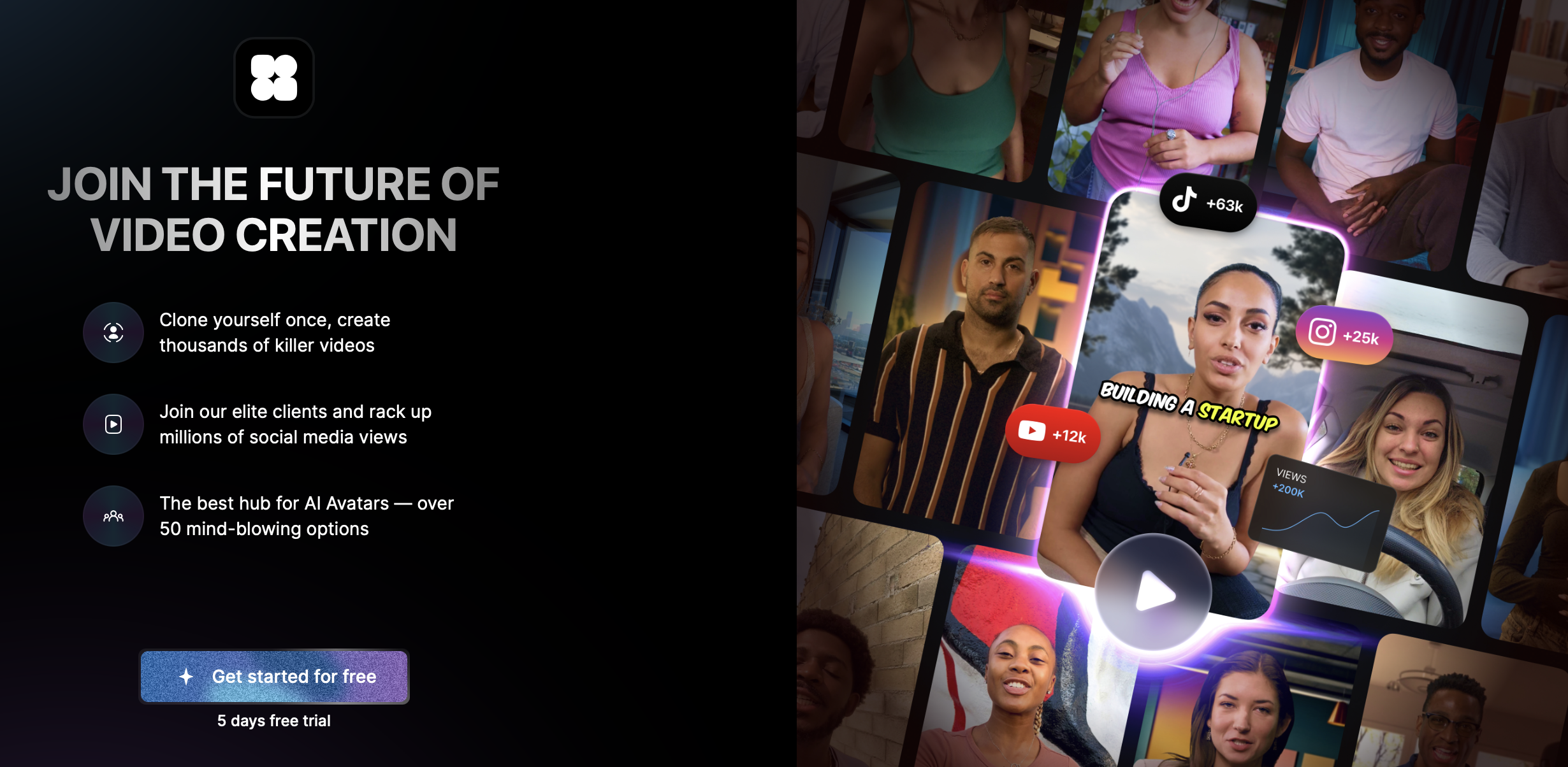
Argil is hands down one of the best AI avatar solutions for UGC product ads because it aligns closely with how performance marketing teams actually operate.
Instead of focusing on single video outputs, Argil supports iteration and testing as well as localization. Multiple hooks can be generated from one script, allowing teams to test variations without rebuilding creative each time, and it’s easy to localize videos for different global audiences.
Argil’s avatars can be swapped against the same message, making persona testing simple. Automated editing, captions and transitions also reduces friction between idea and ad launch, which is critical for fast-moving campaigns.
Argil works best for teams running ongoing tests rather than one-off videos. The focus is on iteration and speed rather than realism alone.
Synthesia
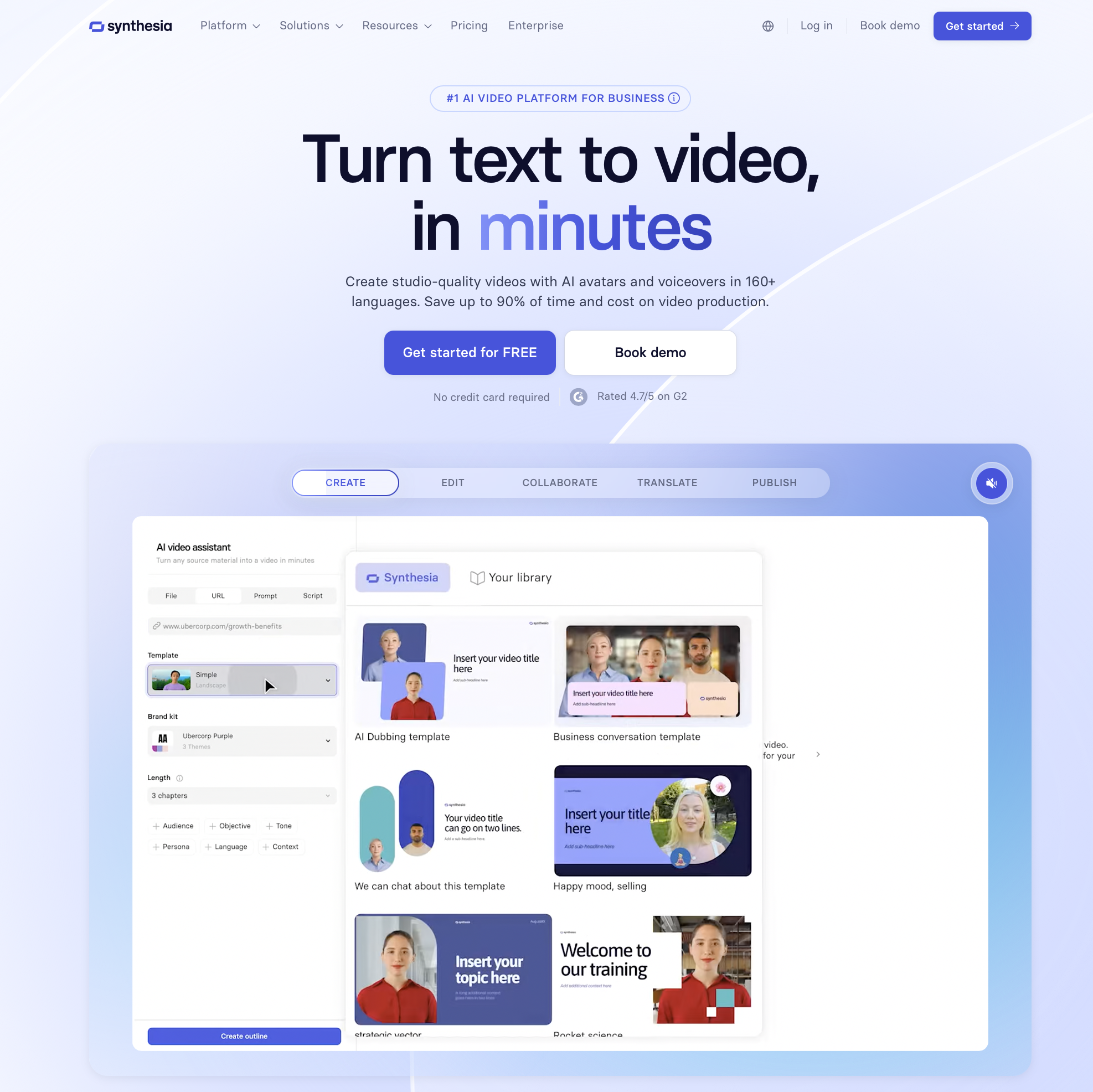
Synthesia is widely known for its strong avatar realism and corporate video generation. It performs well for structured content such as training or internal explainers. However, its outputs often feel formal, which means it’s not one of the best AI avatar solutions for UGC product ads
Iteration speed is slower compared to tools designed for ad testing. Creating multiple variations typically requires external scripting or editing adjustments. As a result, Synthesia works better for controlled explainer content than high-volume UGC testing workflows.
HeyGen
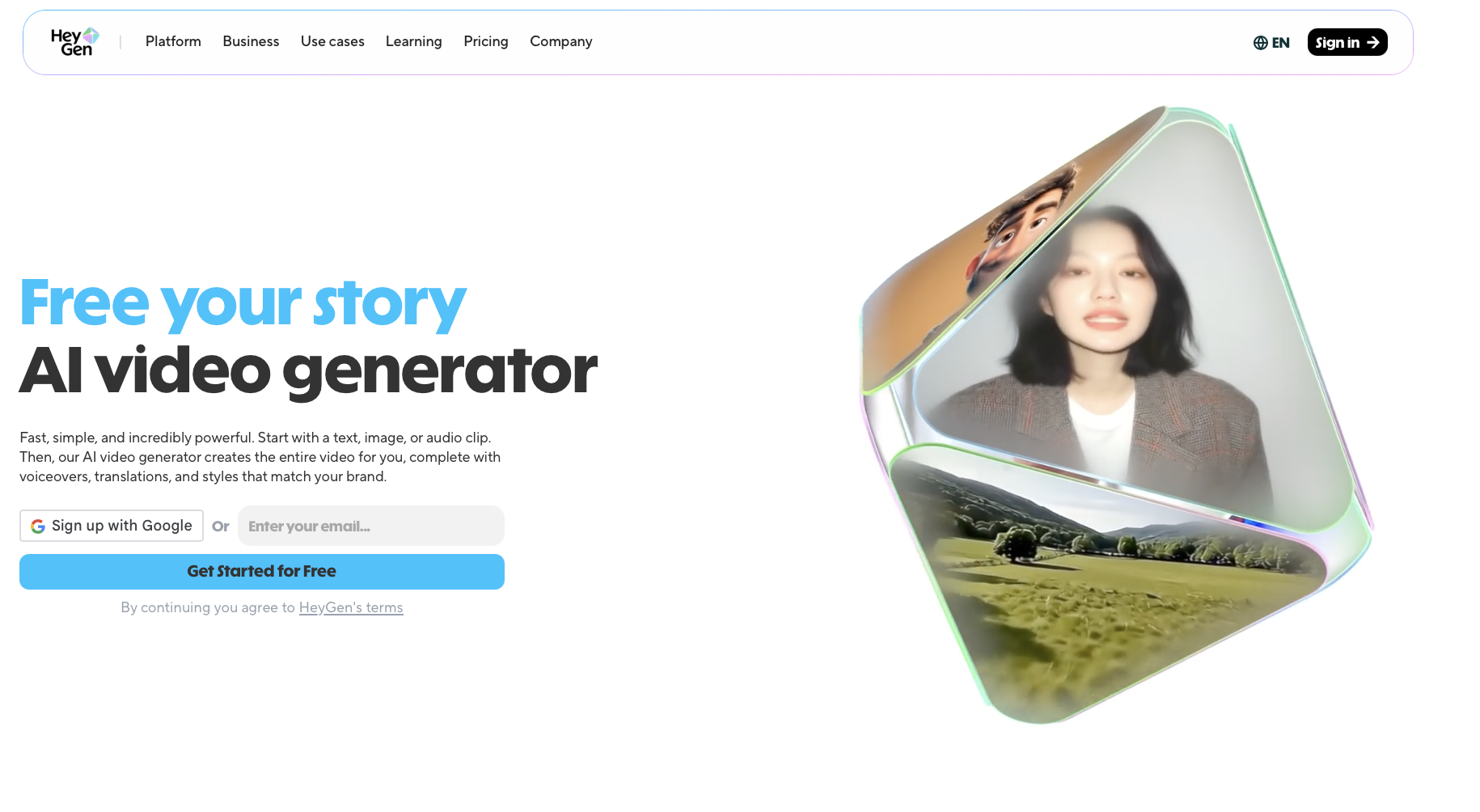
HeyGen offers visually strong avatars and an accessible interface, but again, it’s not one of the best AI avatar solutions for UGC product ads.
Instead, HeyGen is often used for branded social content and performs well when tone and messaging are tightly controlled. However, rapid testing workflows can become slower because hook variations and script changes are usually manual.
While avatar quality is high, producing multiple variations at paid media speed requires additional effort. This makes HeyGen suitable for branded UGC-style content but less optimized for large-scale testing environments.
D-ID
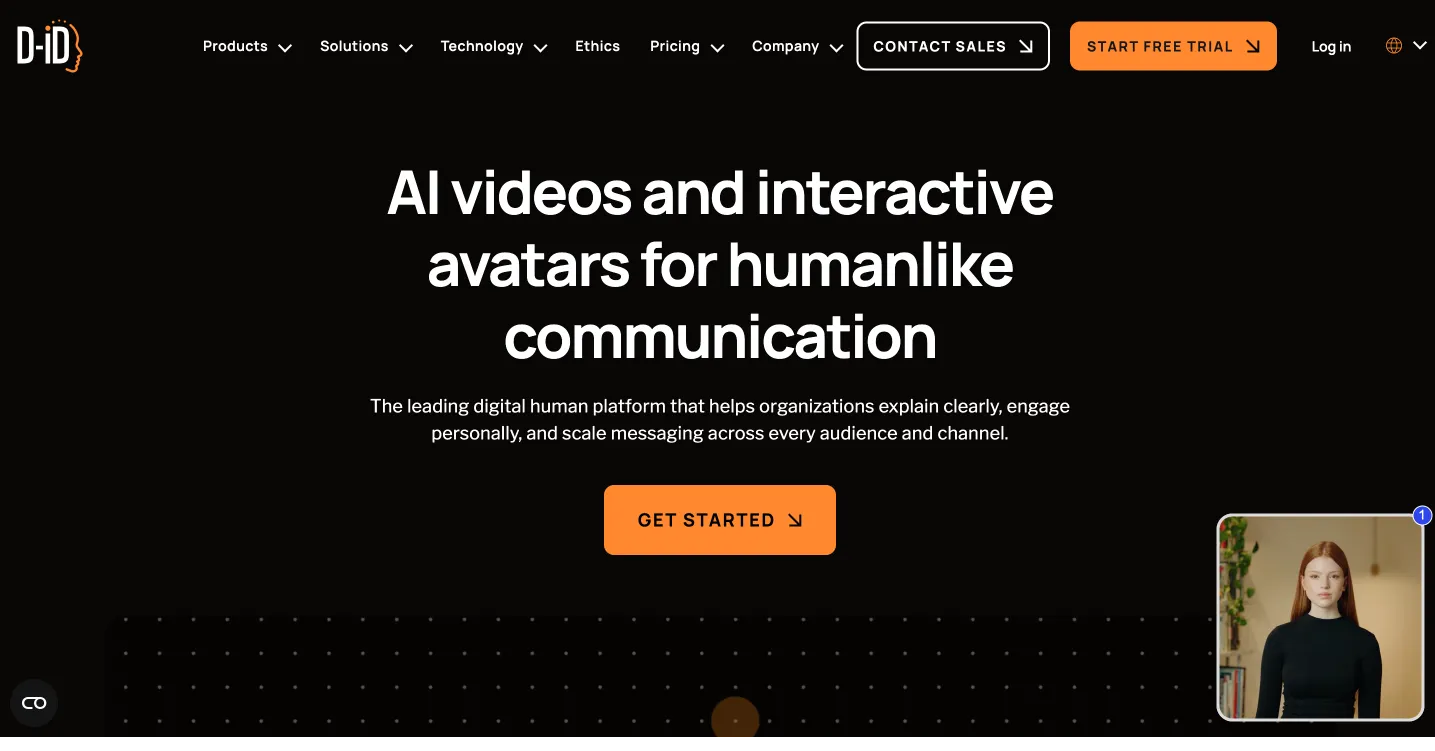
D-ID focuses primarily on facial animation and lip-sync quality. The avatar output can feel expressive, particularly in shorter scripts. However, it lacks integrated editing and automation features needed for ad-ready production.
Because of this, teams often rely on additional tools for captions, pacing and formatting. D-ID works well for simple talking-head videos but is less suited to iterative UGC advertising workflows where speed and variation are priorities.
Argil: What Makes Us One of the Best AI Avatar Solutions for UGC Product Ads?
The key difference between Argil and other AI video tools is that Argil is created specifically for UGC and influencer-style content. As a result, our tool treats video creation as part of a testing system rather than a single creative output. This is why we’re one of the best AI avatar solutions for UGC product ads.
Automated editing and structured outputs mean videos reach a publishable state quickly. Teams spend less time refining assets and more time running tests and learning from results. This makes Argil particularly useful for growth marketers and agencies managing multiple campaigns at once.
Rather than replacing human creators, Argil complements them by handling scale and repetition. Human creativity generates the ideas, while the system helps distribute and test them efficiently.
Choosing the Right Tool as a Brand Exploring UGC
When evaluating the best AI avatar solutions for UGC product ads, it’s important to consider which tool will help you test, iterate and grow over time.
If your team only needs occasional UGC videos, creator marketplaces or tools like HeyGen and D-ID may be enough. But once testing becomes systematic, speed and flexibility matter more than polish. If you’re creating UGC content on a regular basis, your tool should be chosen based on how easily it supports iteration and learning.
Argil will not only allow you to create polished UGC videos in under 10 minutes, but it will also allow you to edit existing videos, test different versions and localize product ads for various different countries.
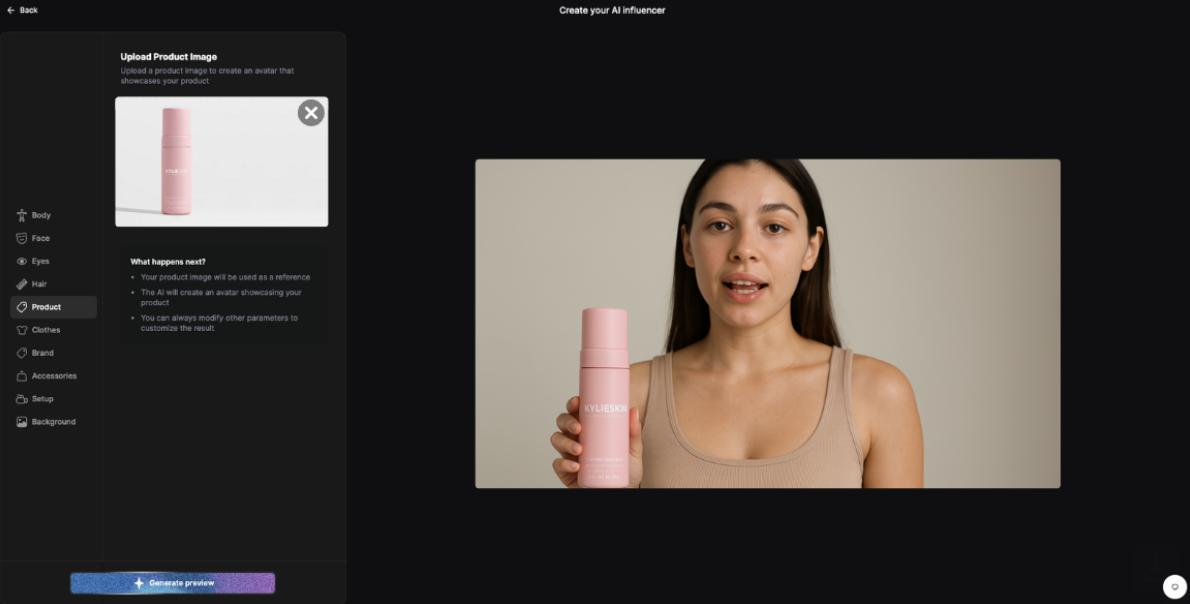
Plus, with our Product Showcase feature, you can train a realistic AI avatar to hold, wear or interact with your product, allowing you to create high-performing video content without ever appearing on camera. Sign up today to get started.