What Are the Best Expert-Reviewed AI Avatar Tools for Explainer Videos in 2026?
Looking for expert comparisons of AI avatar tools for explainer videos? In this article, we’ll compare the best AI video generator tools for educational and informative videos.
Why Look for Expert Comparisons of AI Avatar Tools for Explainer Videos?
If you’ve searched for expert comparisons of AI avatar tools for explainer videos, there’s a good chance you’ve already tried one or two platforms yourself.
If so, you’ll know that the most tools just aren’t up to the task. The demos might look impressive, but when you try to produce a real explainer video for your brand or platform, avatars and automatic editing don’t quite cut it.
Explainer videos are harder than they look. They rely on pacing, clarity, narrative flow and visual variation. A tool can generate a talking avatar easily enough, but keeping attention for two or three minutes requires structure. You need transitions, emphasis, rhythm and fast editing that prevents creator fatigue.
This is where many comparisons fall short. Feature lists don’t tell you whether a tool holds up once you’re producing content regularly, or whether your avatar will be realistic enough to generate engagement with your audience. Script generation doesn’t help if editing becomes a bottleneck afterward.
So instead of another checklist, this article looks at AI avatar tools through a practical production lens. What actually matters when you’re creating explainer videos week after week? And which tools reduce friction instead of adding more of it?
Expert Framework: What Really Matters in Explainer Video Automation?
Before comparing tools, it’s important to focus on what actually matters in real explainer video production. Expert comparisons of AI avatar tools for explainer videos should prioritize consistency and usability over impressive demos.
The key question isn’t how realistic an avatar looks, but whether the tool can reliably produce publishable videos without heavy manual editing.
First, strong script handling is essential. Explainer videos follow structured narratives, and many tools struggle to maintain pacing and emphasis across longer scripts.
Editing control also plays a major role. If creators need to export videos to external editors for basic adjustments, automation quickly loses its value.
Automation is also really important. Can you quickly add captions, transitions and B-roll to keep your videos engaging?
Finally, scalability determines long-term usefulness. A tool that works for one video but slows down at higher output volumes ultimately limits growth. The best platforms reduce friction as production increases, not add to it.
Expert Comparisons of AI Avatar Tools for Explainer Videos (2026 Edition)
Looking at expert comparisons of AI avatar tools for explainer videos through this framework changes how the landscape looks. Many tools are strong in isolated areas, but fewer hold up across longer-form production.
Synthesia

Synthesia remains one of the most recognizable names in the video generation space. Its avatars are polished, and multilingual support is strong.
For structured corporate explainers or internal training content, it performs reliably. Where it struggles is with narrative flexibility. Longer scripts can feel rigid, and visual dynamism is limited without additional editing tools.
For teams producing occasional explainers, Synthesia works well. For creators trying to scale output, editing friction tends to increase quickly.
HeyGen
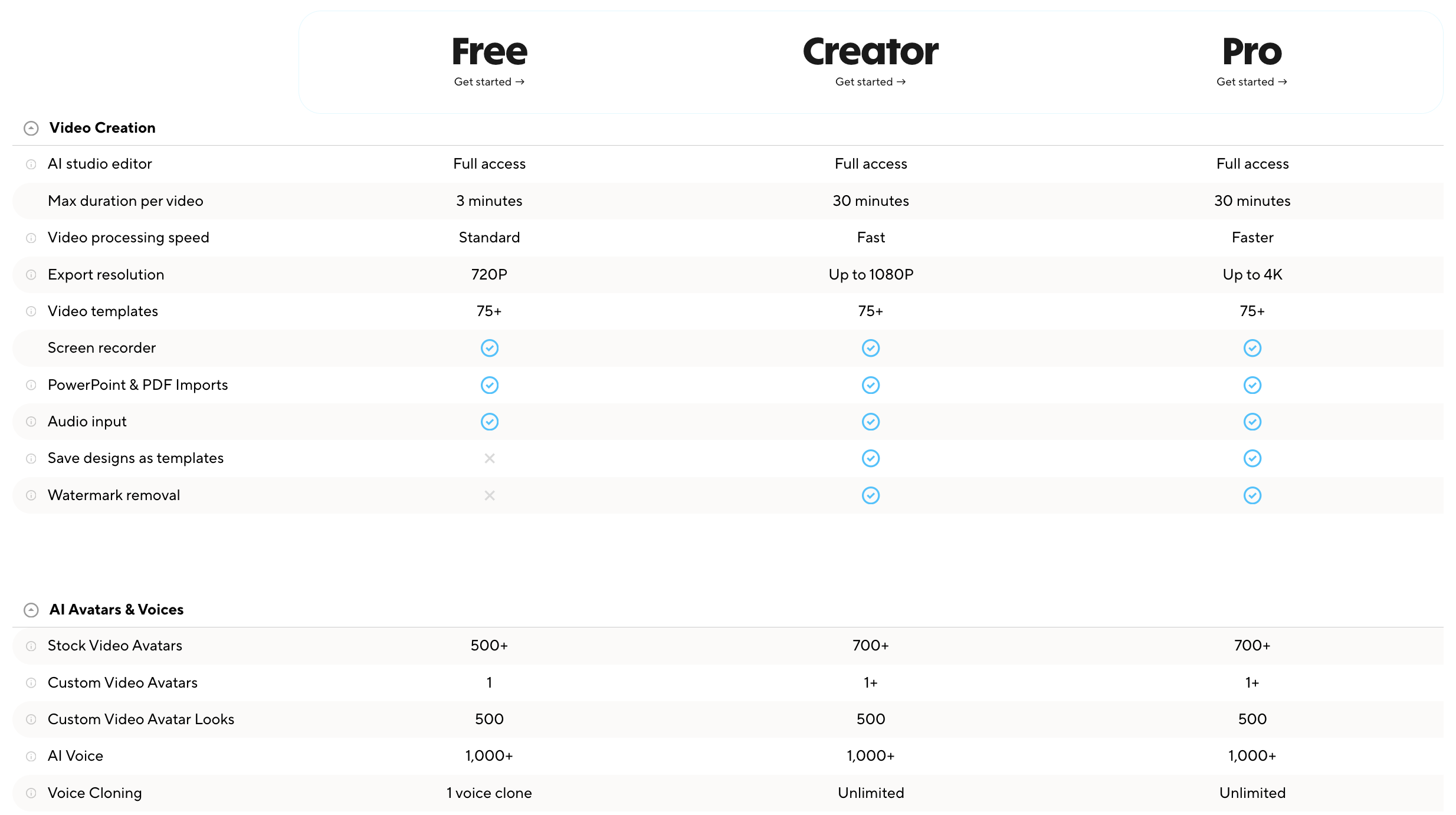
HeyGen takes a different approach, focusing on accessibility and speed. The interface is intuitive, and there are plenty of multilingual avatar options.
For short explainers or quick updates, it’s easy to generate content quickly. However, as scripts grow longer, pacing inconsistencies become more noticeable. Scene changes and transitions often require manual setup, and building repeatable workflows can become time-consuming.
Overall, HeyGen is a strong entry point, but less suited to structured explainer production at scale.
D-ID
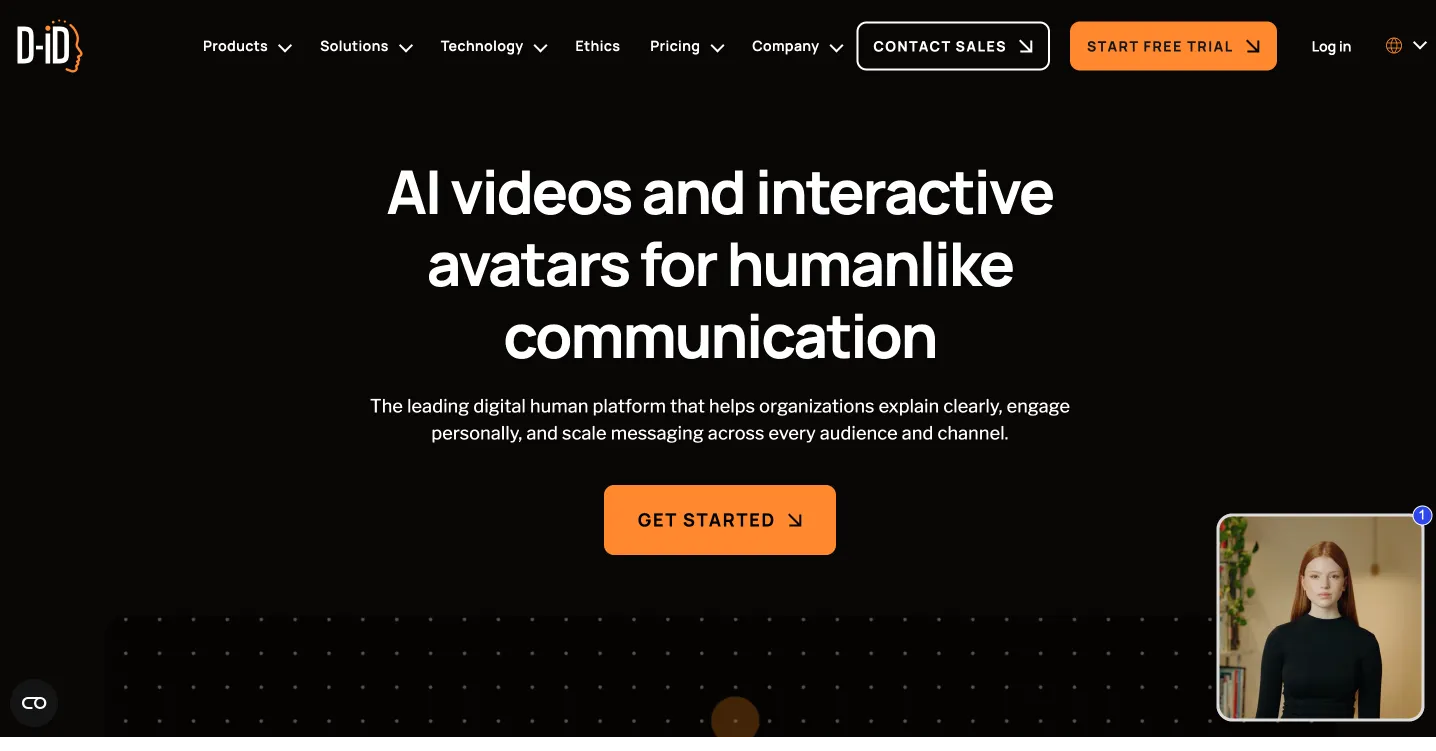
D-ID excels in avatar realism and expressive delivery in short segments. The emotional range can feel more natural than many competitors, especially in brief videos.
The limitation appears when production begins, however: editing tools are minimal, and visual variation is limited. Most users end up exporting footage to another editor to make it publishable. For social clips or experimental content, it’s effective. For explainer-driven marketing or education, it introduces extra steps which defeats the whole point.
Elai.io
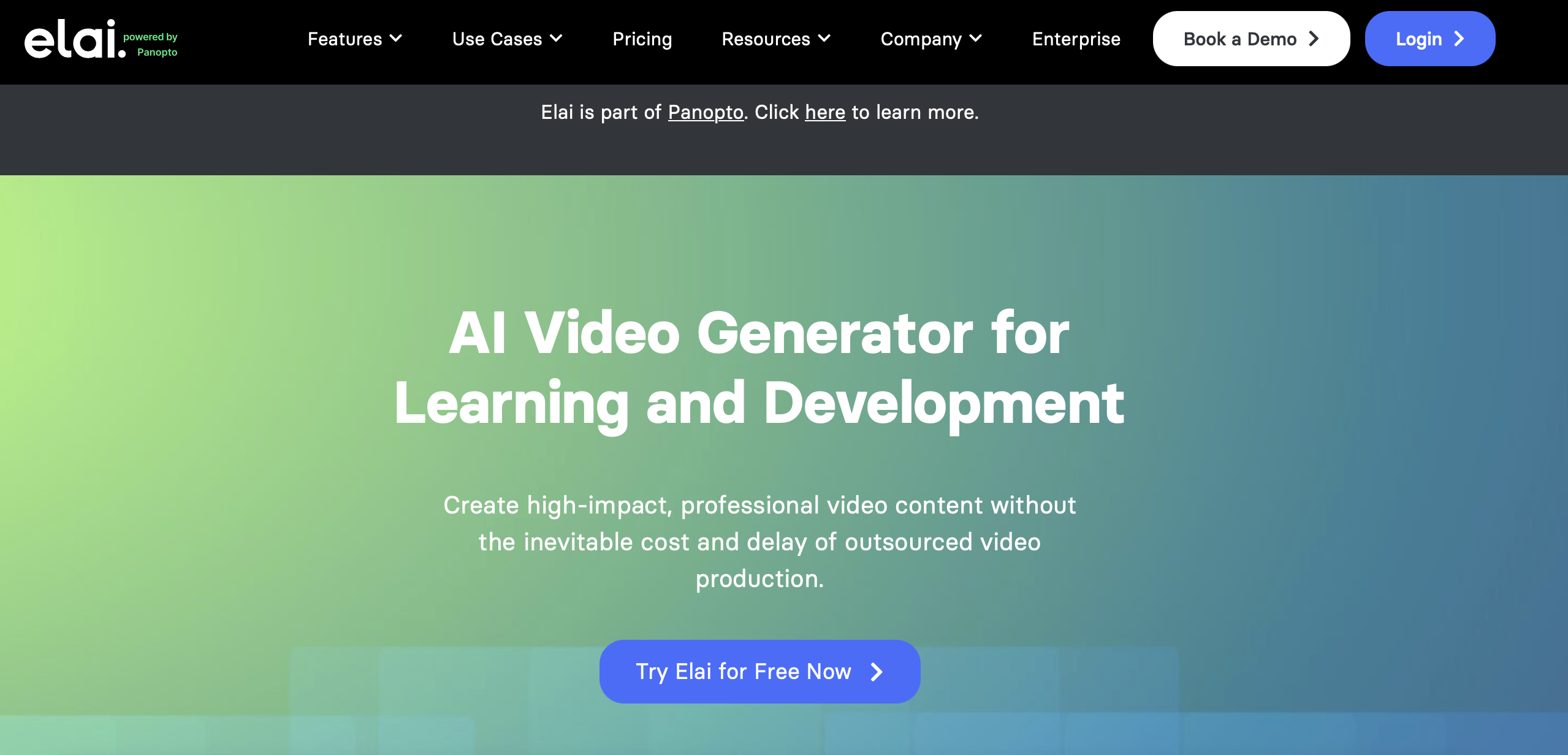
Elai.io sits somewhere in the middle of the options we’ve looked at so far. It supports longer scripts and offers some scene variation, making it more flexible than purely avatar-focused tools.
However, pacing often needs manual correction, and automated visual support is limited. It can work for teams willing to refine outputs manually, but quality consistency becomes harder to maintain as volume increases.
Across all of these tools, a pattern emerges: avatar realism has improved, but editing and structure remain the real bottlenecks. So what’s the solution?
Argil’s Unique Fit: Built for Video Content Creators

Once you look at explainer production through the lens of a full-time content creator, the missing piece from all of these solutions becomes clear. This is where Argil comes in.
Argil’s strength is not simply avatar generation. Instead, it addresses the part of the workflow where most tools struggle: turning scripts into structured, publishable videos without manual editing and resizing.
Instead of generating a talking head and leaving editing decisions to the user, Argil produces pre-edited drafts. Transitions, pacing, captions, and visual variation are built into the initial output, creating a finished explainer video that’s ready to publish.
This matters because editing is perhaps the most time-consuming part of video creation. When creators can start with a draft that already feels structured, the remaining work becomes easy. Adjustments to tone, pacing, or emphasis can be made without rebuilding the video from scratch.
The workflow also scales more naturally. Teams producing multiple explainers per week can move from script to publish quickly, while still maintaining consistency. Multilingual explainers can be generated from the same source script, and variations can be tested without repeating the entire process.
Instead of acting as editor, director and presenter simultaneously, this means that you – the creator – get to focus on the central message and distribution of your work. The system handles editing, production and even publication.
This distinction is what makes Argil feel less like an avatar tool and more like an explainer production system with avatars built in.
Which AI Video Tool Is Right for You?
Not every creator needs the same level of automation, and choosing the right tool depends largely on your goals and level of output.
If you’re only producing occasional short explainers or internal videos, tools like Synthesia or HeyGen will get the job done. They are easy to use and capable of producing clean, straightforward outputs without much setup.
If avatar realism is the primary priority and editing happens elsewhere, D-ID may appeal more. This tool delivers expressive results in short formats, though it requires additional production steps afterward.
If you’re comfortable with manual editing and want more flexibility, Elai.io offers a workable middle ground, especially for teams that already have editing workflows in place.
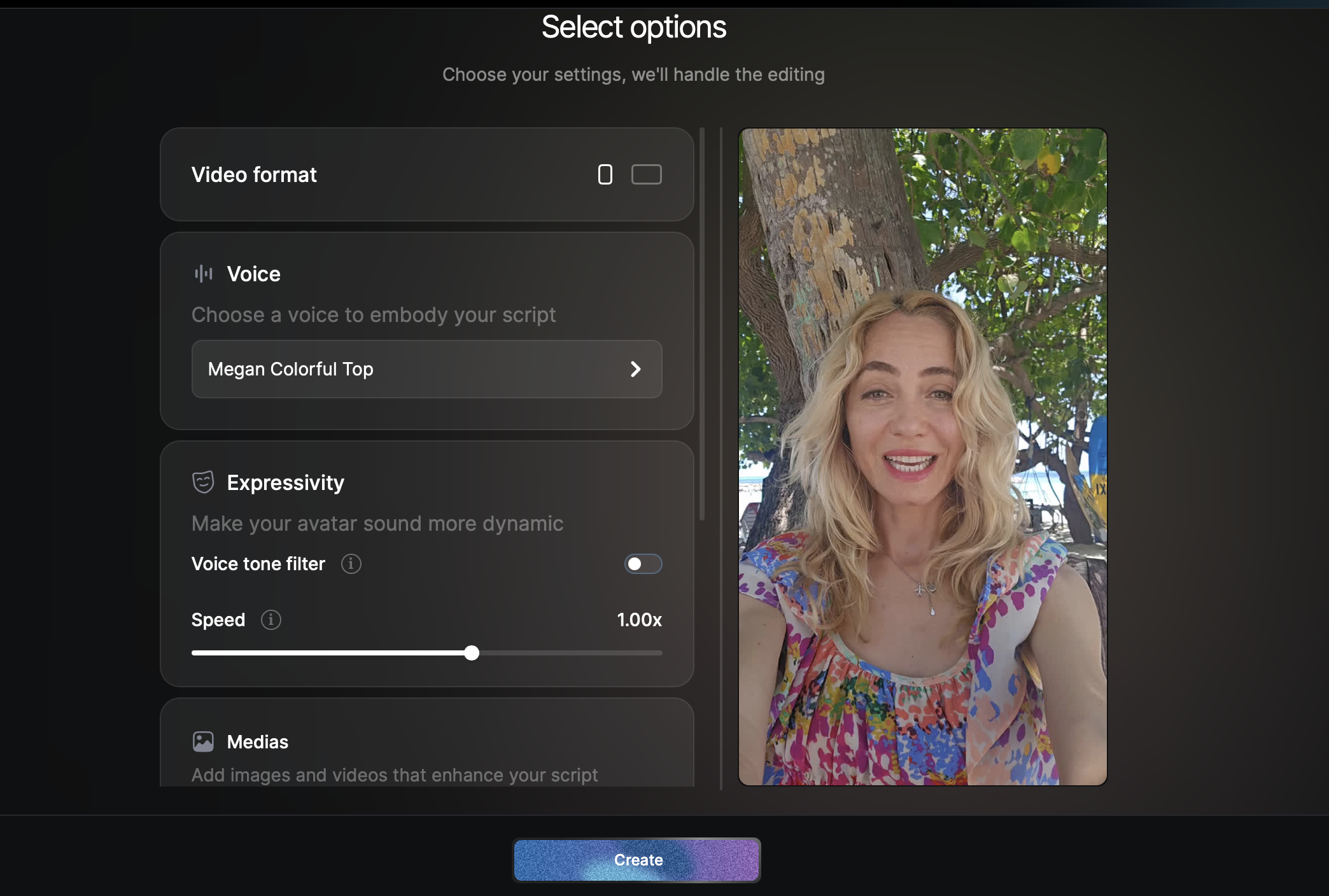
But if what you really need is repeatable, distribution-ready explainer content, then Argil will provide an all-in-one solution that will help you turn a simple idea into a script, and then turn that script into a video starring your AI clone.
Sign up today to see why, in all expert comparisons of AI avatar tools for explainer videos, Argil is the clear winner. You can try all our tools and features for free for five days.