Faceless Reels: 7 Methods to Create Viral Content Without Showing Your Face
Faceless reels are dominating Instagram and TikTok in 2026. Compare 7 proven methods, from stock footage to AI clones, and find the best fit for your niche.

Faceless Reels dominate Instagram and TikTok right now. Scroll for five minutes and you will find accounts pulling millions of views without ever showing a human face: motivational quotes over stock clips, screen recordings of software tutorials, AI narrated explainers with b-roll that looks expensive to produce, and more.
Some of these accounts are one person side projects. Others are full media operations. What they share is that the creator stays invisible, and the content still performs without a face (or, in some cases, a voice) attached.
Faceless content scales easily. It protects your privacy and removes the daily pressure of filming yourself. Yet the accounts that build the deepest audience loyalty, the ones that sell courses, close brand deals, and convert followers into customers, almost always have a face attached.
This article compares the seven best methods for creating faceless Reels in 2026 and addresses the personal brand problem that most faceless creators eventually run into.
Why Faceless Reels Are Exploding in 2026
The numbers tell the story. Reels now account for half of all time spent on Instagram, up 20% year on year, according to Meta's Q3 2025 earnings. TikTok does not publish an official global user count. Industry estimates for 2026 range from roughly 1.6 billion up to DemandSage's reported 2.21 billion monthly actives for Q2 2026, depending on measurement methodology. Within that wave, faceless content accounts have carved out a massive niche.
Privacy is one driver. Not everyone wants their face attached to a brand account, especially professionals testing content marketing alongside a day job. Camera shyness is another factor that prevents budding creators from hitting record.
Then there is the scale argument. Filming yourself takes time. Lighting, framing, retakes, editing out the filler words. A faceless workflow can produce three to five Reels per day once you have the system down. That volume advantage compounds fast on algorithm driven platforms.
The catch is real, though. Faceless accounts struggle to build personal connection. Engagement research shared on Instagram shows posts featuring a human face get roughly 40% more likes than posts without one, and in rapid exposure ad tests, faces get recognized faster and hold attention longer than faceless creative. Instagram's own recommendation algorithm also weights "creator relationship" signals, meaning content from people users feel personally connected to gets distribution priority.
Faceless Reels clearly work. The open question is which method gives you the best tradeoff between scalability and audience connection.
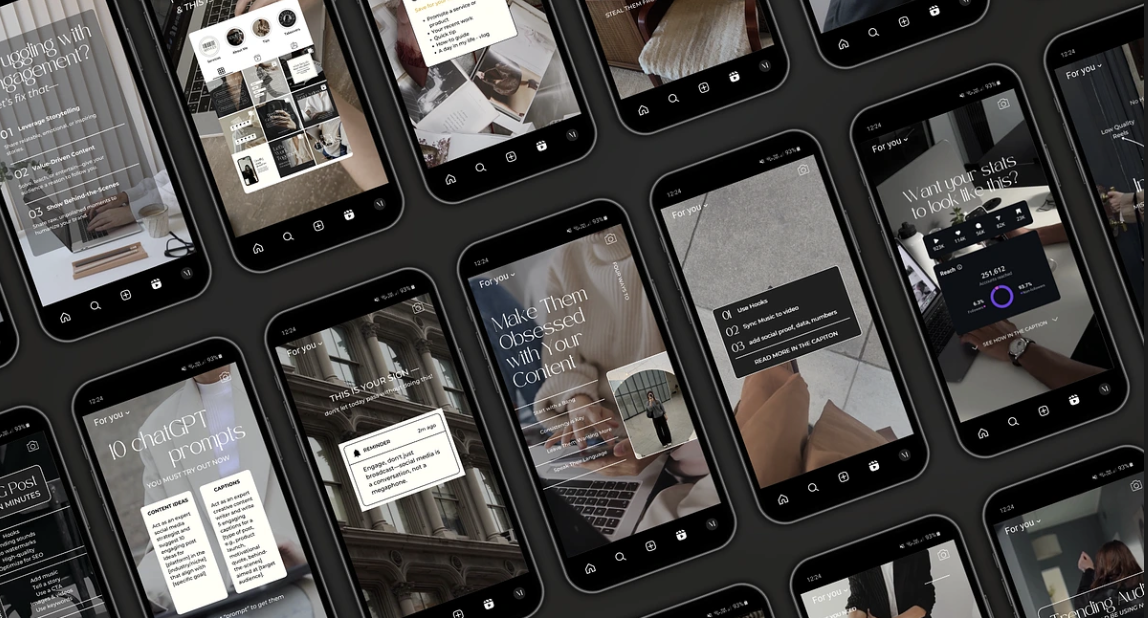
Source: Creative Market
The 7 Best Methods for Creating Faceless Reels
1. Stock Footage + Voiceover
This is the simplest approach to faceless Reels, and still one of the most popular. You write a script, record a voiceover (or use an AI voice), and layer it over relevant stock footage clips.
Platforms like Pexels, Artgrid, and Storyblocks offer libraries large enough that you can find clips for almost any topic. The editing process is straightforward in tools like CapCut or Premiere Pro. Most creators can go from script to published Reel in under 30 minutes once they have a rhythm.
Use cases: Motivational content, finance tips, travel inspiration, news commentary, and educational explainers.
Strengths: Low barrier to entry. Minimal equipment needed, just a decent microphone and a stock footage subscription. Easy to batch-produce multiple Reels in a single session.
Limitations: Stock footage is generic by definition. Your competitors in the same niche are pulling from the same libraries, which makes differentiation difficult. There is zero personal brand equity built because nothing in the Reel ties back to you as an individual. Viewers show up for the topic, and the person who made the Reel stays anonymous to them.
2. Screen Recording Tutorials
If you teach anything related to software, design, coding, or digital workflows, screen recordings are a natural fit. Record your screen while demonstrating a process, narrate what you are doing, and trim it into a 30 to 90 second Reel.
This faceless Reel format works because the content itself is the visual. No one needs to see your face when they are watching you build a Notion dashboard or walk through a Figma prototype.
Use cases: SaaS tutorials, coding walkthroughs, spreadsheet tricks, design process videos, tool comparisons.
Strengths: High perceived value because you are showing a real skill. Strong retention rates since viewers watch to learn the technique. Low production cost with just screen recording software and a microphone.
Limitations: Niche dependent. If your content is not about a screen based workflow, this format does not translate. The visual variety is also limited, which can make your feed feel repetitive over time. Personal branding potential is moderate since viewers learn to trust your expertise but do not form a visual association with you.
3. AI Generated B-Roll + Voiceover
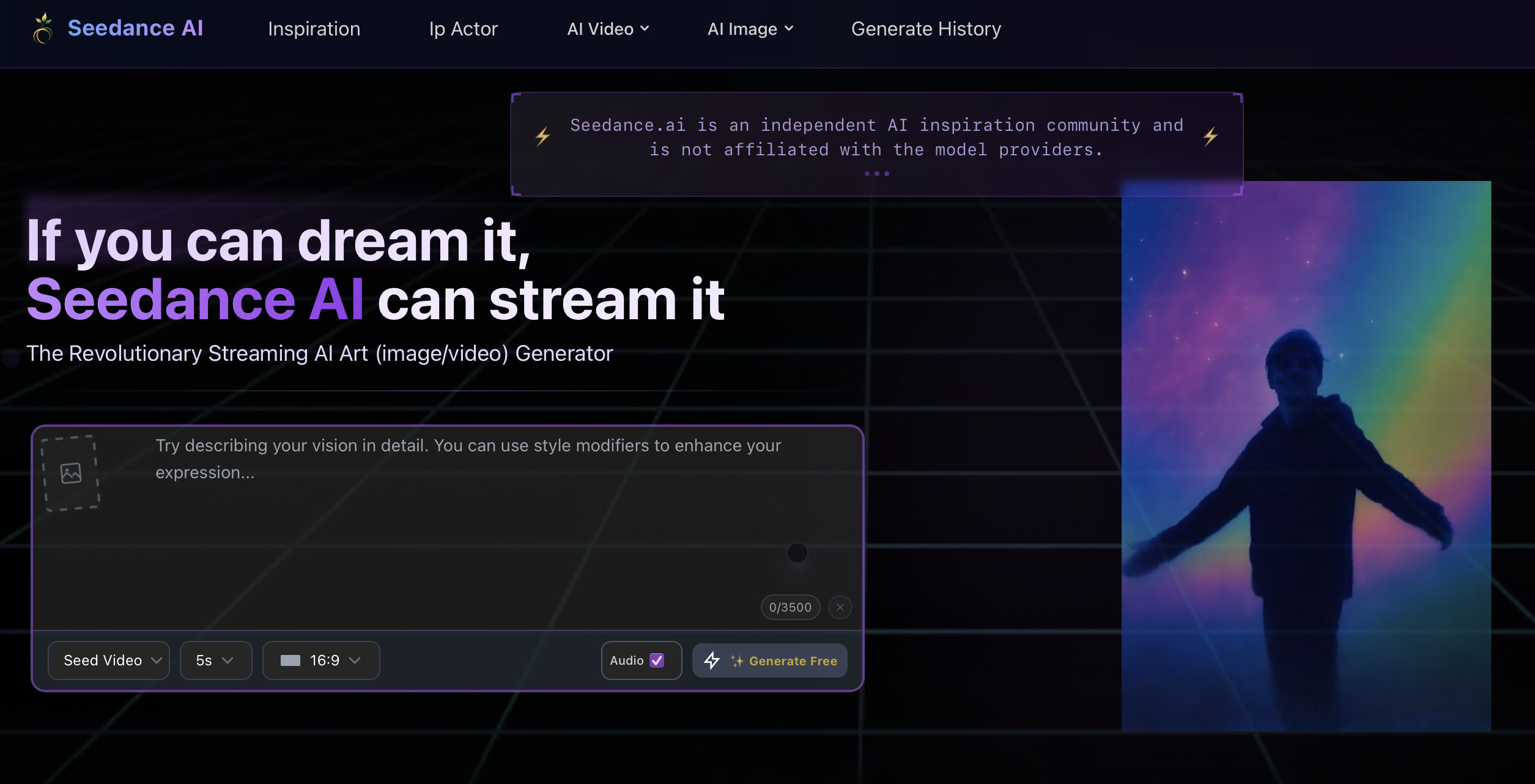
This is where 2026 production quality separates from what was possible even a year ago. Tools like Runway, Pika, and Seedance can generate custom b-roll footage from text prompts. Instead of searching through stock libraries for a "close enough" clip, you describe exactly what you want and the model generates it.
The quality gap between AI generated footage and real footage has narrowed significantly. For short form content where clips appear for two to four seconds at a time, most viewers cannot tell the difference.
Use cases: Storytelling content, science and history explainers, product concept videos, abstract or futuristic visuals that stock libraries do not cover.
Strengths: Unlimited visual variety. No licensing concerns since you own what the model generates. The ability to create visuals that would be impossible or extremely expensive to film. Production costs are typically limited to the AI tool subscription, generally $15 to $35 a month at the tiers most solo creators actually use.
Limitations: Generating consistent visual style across multiple Reels requires careful prompting. Render times can slow down your production cadence. And the "AI look" is still detectable to trained eyes, which may undermine trust in niches where credibility matters, like finance or health.
4. Animation and Motion Graphics
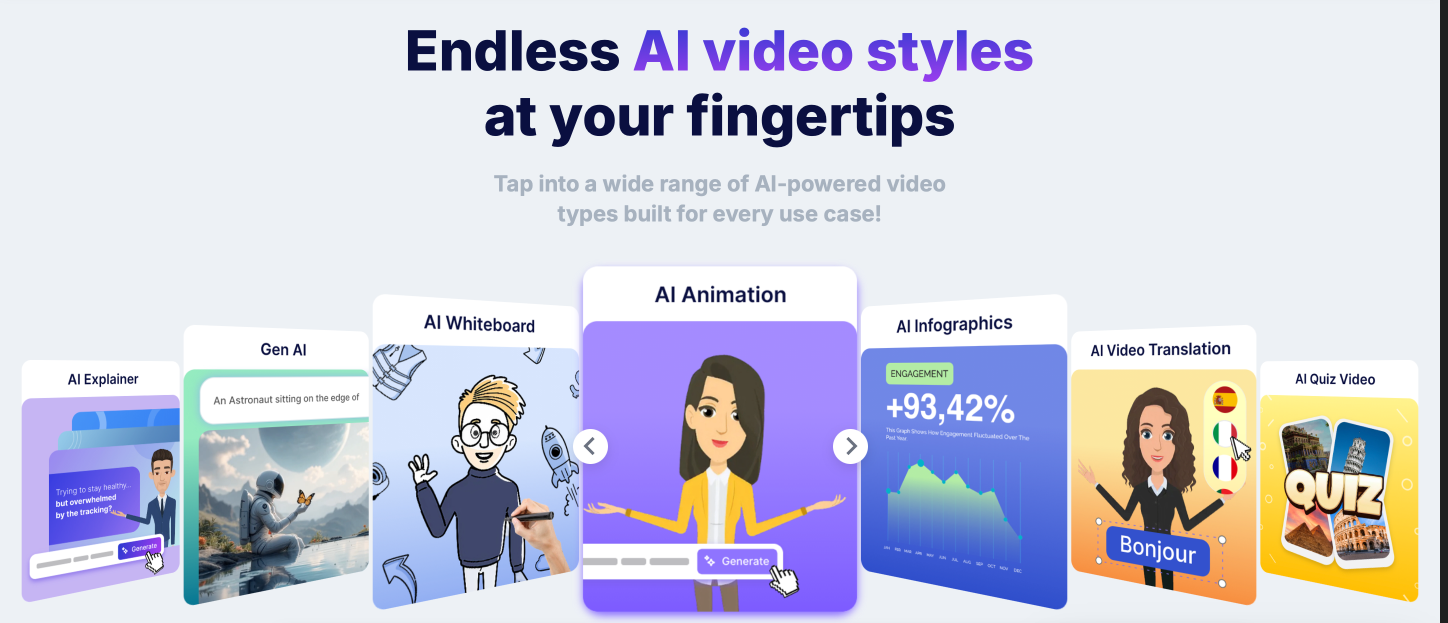
Animated Reels stand out in a faceless Reels scroll feed because they look different from everything else. Whether it is 2D character animation, kinetic typography, data visualization, or explainer style motion graphics, animation gives you full creative control over every frame.
Tools like After Effects remain the professional standard, but more accessible options like Canva's animation features and Animaker have lowered the skill floor significantly.
Use cases: Data heavy content, brand storytelling, product explainers, educational series, kids' content.
Strengths: Complete visual control. Highly shareable and distinctive. Strong brand consistency since you define every color, shape, and movement. Works across almost any niche.
Limitations: The highest skill barrier on this list. Even with simplified tools, quality animation takes time to learn and execute. Production speed is slow compared to other methods, often one to three hours per Reel for polished work. Outsourcing to a freelance animator typically runs $1,000 to $15,000 per finished minute depending on complexity, which adds up quickly at daily posting volume.
5. AI Clone Videos (The "Faceless but Personal" Approach)
This is the method that breaks the standard tradeoff between faceless scalability and personal brand building. AI clone technology lets you record a single training video, typically around two minutes, and generate unlimited new videos from written scripts. The AI clone replicates your appearance, voice, mannerisms, and delivery style.
The result is a video that looks and sounds like you filmed it, but you did not. You wrote a script (or had one written), fed it to the system, and received a finished video back.
Argil is the platform built specifically around this workflow. You upload your two minute training video, and Argil creates an AI clone that captures your facial expressions, gestures, voice tone, and speaking cadence. From there, you write scripts or paste in content you want to repurpose, and Argil generates fully edited short form videos. The platform handles the entire AI video creation pipeline, including cuts, zooms, captions, and pacing, so the output is a publish ready Reel.
What makes this different from the other six methods on this list is that your face is technically in the content, but you are not spending any time on camera after that initial two minute recording. For creators who want to build a real personal brand without the daily grind of filming, lighting, and editing, this is a fundamentally different category.
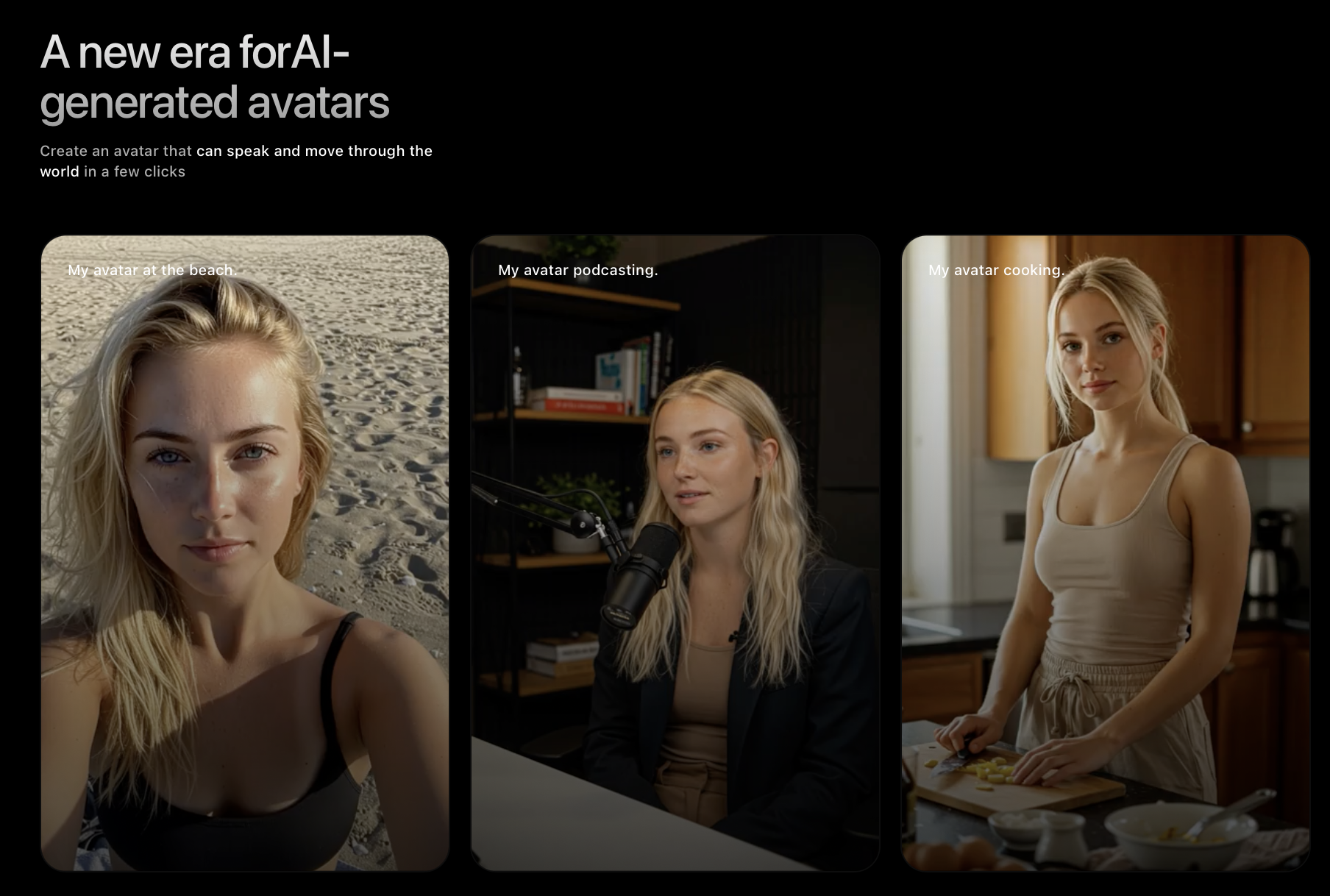
The use cases go beyond individual creators. Real estate agents can generate neighborhood tour narrations at scale. Lawyers can produce educational content explaining common legal questions. Consultants can turn blog posts into video content without blocking an afternoon for filming. Any professional whose audience needs to see and trust a specific person benefits from this approach.
The compounding effect matters here. Once your clone is trained, every piece of written content you produce, whether it is a blog post, a newsletter, or a Twitter thread, becomes a potential video. You are not creating content from scratch. You are repurposing existing content into the highest engagement format on social media, and doing it in minutes instead of hours.
Competitors in the AI avatar space include HeyGen, Synthesia, and D-ID, but most of these are built for enterprise use cases like training videos and sales outreach. Argil is designed specifically for creators and personal brands, with an editing pipeline optimized for short form social content rather than corporate presentations. For a closer look at how the main AI avatar and AI clone platforms stack up on clone quality, editing, and pricing, see our full comparison.
Use cases: Personal brand building at scale, content repurposing from written to video, professional services marketing, course promotion, thought leadership.
Strengths: The only method on this list that builds real personal brand equity while maintaining a faceless production workflow. Lowest ongoing time investment per Reel once the clone is trained. Consistent output quality regardless of your schedule, energy, or location. Full editing pipeline included, so there is no separate post production step.
Limitations: Requires a two minute training video, so you do appear on camera once. Clone quality depends on the quality of your training footage, and good lighting and clear audio during that initial recording make a significant difference. The technology is also early enough that some viewers may notice subtle differences, though this gap is closing rapidly.
6. Text on Screen with Trending Audio
The lowest effort format on this list and still effective in certain niches. You create text slides, pair them with a trending audio clip, and post. There is no voiceover, no footage, and no animation, just text paired with music.
Instagram accounts in the motivation, relationship advice, and humor niches have built substantial followings with nothing more than this format. The viral mechanics work because trending audio gives you algorithmic reach, and the text provides the value.
Use cases: Quote accounts, niche meme pages, hot takes, listicle style tips, relationship and self improvement content.
Strengths: Can be produced in under five minutes per faceless Reel. Zero equipment needed beyond a phone. Trending audio provides built in distribution. Easy to test high volumes of content ideas quickly.
Limitations: Almost no personal brand value. People keep following for the theme long after they have forgotten who runs the account. Extremely high competition since the barrier to entry is near zero. Monetization is difficult because there is no trust relationship with the audience, which makes selling products or services significantly harder.

7. Product/Hands Only Demos
If you sell physical products or create anything tangible, hands only demos are a proven format. The camera focuses on the product, your hands, and the process. Think cooking videos, art creation, product unboxings, craft tutorials, or ASMR style close-ups.
This format works because the product itself is the visual anchor. Your face is not needed when viewers are watching you assemble, create, or demonstrate something.
Use cases: E-commerce product showcases, cooking and recipe content, art and craft tutorials, ASMR, product focused UGC, DIY and home improvement.
Strengths: High retention because viewers watch to see the process or result. Strong for e-commerce since the product is the star. Relatively easy to film with a simple overhead or tabletop camera setup. Satisfying to watch, which drives shares and saves.
Limitations: Only works if your content centers on a physical product or hands-on process. Limited personal brand building, though some creators develop recognizable styles through their hands, workspace, or aesthetic. Filming still requires physical setup time, even if your face is not involved.
Comparison Table: Faceless Reel Methods
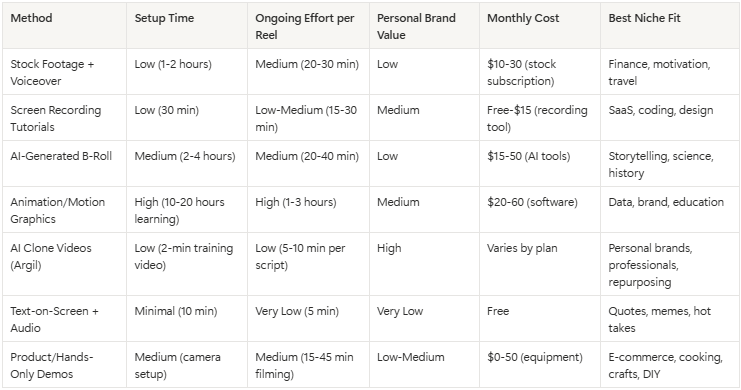
Most faceless Reel methods trade personal brand value for lower effort. AI clone videos are the only method that scores high on personal brand value while keeping ongoing effort per Reel at the lowest tier. That combination is why the category is growing as fast as it is.
The Personal Brand Problem with Truly Faceless Content
The reason Reels with faces perform so much better on Instagram is biological as much as algorithmic. Humans are wired to pay attention to faces. It is one of the first pattern recognition skills we develop as infants. Social media algorithms reflect this by prioritizing content that holds attention, and faces hold attention better than almost any other visual element.
This creates a real ceiling for truly faceless accounts. They can grow, sometimes to impressive sizes, but they tend to hit monetization walls. Without a personal connection to the creator, audiences are less likely to buy courses, join communities, or trust product recommendations. The conversion funnel from follower to customer relies on trust, and trust forms faster when people feel like they know you.
The middle ground is what makes AI clone technology like Argil interesting for this space. You get the scalability benefits of faceless production, meaning no daily filming, no lighting setup, no retakes, while still having your face in the content. Algorithms treat the video as face on camera content because it is. Your audience builds a visual and vocal association with you because they see and hear you in every Reel. If you want a practical framework for making that association recognizable and consistent, our guide on personal branding through AI avatar video walks through it.
For anyone building a personal brand who has been held back by the time cost of filming, this middle ground is worth serious consideration. You record once, and every future piece of content carries your presence without requiring your physical time. Sign up today to try Argil for free.
FAQ
Can you grow a large following with faceless Reels?
Yes. Multiple faceless accounts have crossed one million followers on Instagram and TikTok. Niche selection matters more than format. Finance, motivation, and educational niches tend to perform best for faceless content because the value is in the information, not the personality. Growth timelines may be slower than face on camera accounts in the same niche, but consistent posting volume, which faceless workflows enable, helps close that gap.
What's the best niche for faceless Reels content on Instagram?
Finance and investing tips, motivational content, health and fitness education, tech tutorials, and cooking or recipe Reels consistently perform well as faceless content. The common factor is that the information and the niche interest do the heavy lifting, while the creator's personality barely factors in. Niches that rely heavily on personal connection, like lifestyle, fashion, or relationship coaching, are harder to grow without a face.
How do faceless accounts monetize?
The most common monetization paths are affiliate marketing, digital product sales (templates, guides, presets), ad revenue through Instagram bonuses or TikTok Creator Fund, and sponsored posts. Faceless accounts typically earn less per follower than personal brand accounts because the trust level is lower. An account with 500,000 followers and no personal brand might earn less than a 50,000 follower account with a strong creator identity, depending on the niche and product.
Do faceless Reels get less engagement than face on camera content?
On average, yes. Studies consistently show a meaningful engagement gap favoring face on camera content, though the exact size of the gap varies by study and niche. This is an average across all content types and quality levels. A well produced faceless Reel in a high interest niche can outperform a poorly executed face on camera video. The quality of the content idea, the hook, and the pacing matter more than whether a face is present. The face advantage shows up most clearly when comparing similar content quality.
Can AI clone videos count as faceless content creation?
From a production standpoint, yes. After recording your initial two minute training video, the entire workflow is faceless. You write scripts, submit them, and receive finished videos. You never sit in front of a camera again unless you choose to update your clone. From the viewer's perspective, the content appears to be traditional face on camera video. This dual nature is exactly what makes AI clones useful for creators who want personal brand benefits without ongoing filming commitments.
What tools do I need to start making faceless Reels today?
The minimum setup depends on the method you choose. For stock footage plus voiceover, you need a stock footage subscription (Pexels is free), a USB microphone ($30-60), and a video editor like CapCut (free). For screen recordings, you just need screen recording software and a microphone.
For AI clone videos, Argil requires only a two minute training video and your scripts. For text on screen Reels, a smartphone and the Instagram app are technically all you need. Start with the method that matches your niche and content goals, then expand your toolkit as you scale.
Related Articles
- How to Create Video Content Without Being on Camera (Beginner-Friendly Guide)
- What Is a Digital Creator in 2025? (And How They're Scaling With AI Avatars Now)
- Personal Brand Examples That Actually Drive Business (and What AI Changes Next)
Best tools and methods for making faceless Reels that build a personal brand in 2026