
How to Become a Content Creator in 2026 (And Why AI Limitations Matter More Than You Think)

How to Become a Content Creator in 2026
If you’re trying to figure out how to become a content creator in 2026, the sheer number of available AI content tools can be overwhelming when you first start out.
New platforms appear every month promising to automate video creation entirely. Some generate cinematic scenes from text prompts, while others generate talking-head videos with avatars or offer editing assistance.
One of the most widely discussed tools in this arena is Seedance — the video generation platform from Bytedance, the company behind TikTok.
There’s no doubt Seedance generates impressive visuals, but there are important questions about Seedance AI limitations that prevent it from being a valuable tool for most serious creators.
Understanding these limitations helps clarify something crucial about how to become a content creator in today’s environment: tools that generate visuals are not the same as tools that help you build a personal audience. Luckily, we have an alternative tool that does both.
Should You Use Seedance AI if You’re Trying to Become a Content Creator?
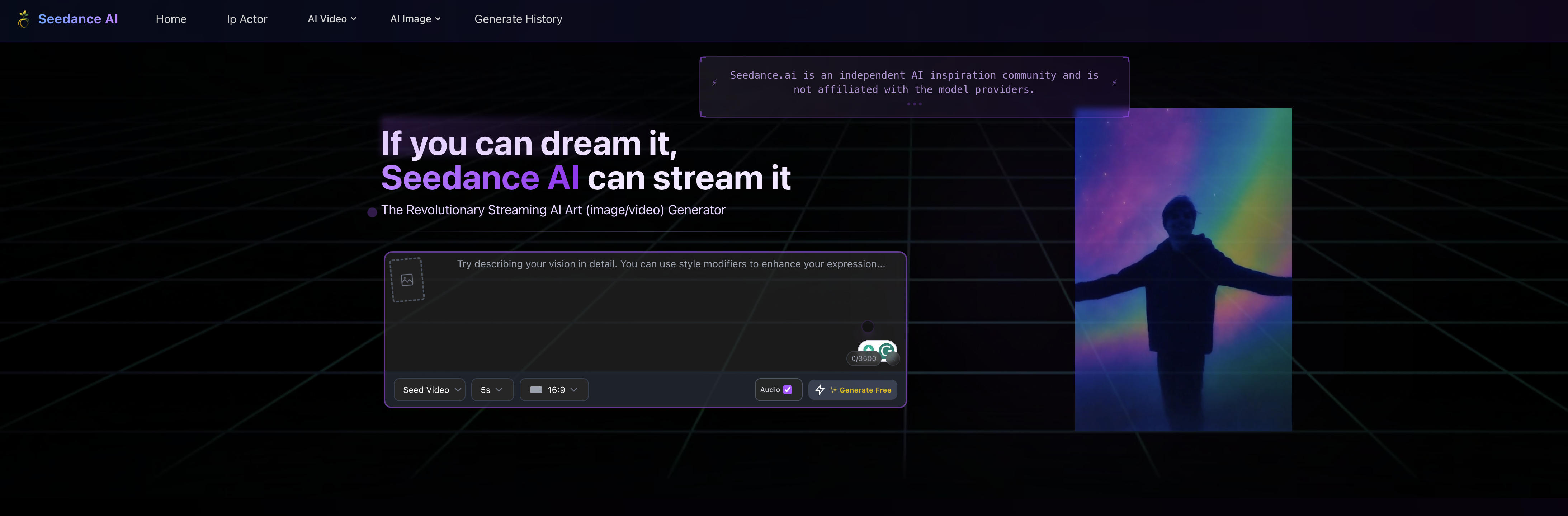
A big reason the conversation around Seedance AI limitations matters is that many new creators initially misunderstand what the tool is designed to do.
Seedance can generate visually impressive clips from simple prompts, which naturally leads some people exploring how to become a content creator to wonder whether they can build an entire channel around generated video alone. If the visuals look professional, it seems like a shortcut to producing high-quality content without needing cameras, editing skills or a filming setup. But once you look closely at the output, the Seedance AI limitations become clear – the platform creates scenes and visual moments rather than content centred around a person.
With Seedance videos, there is no recognizable host speaking to the audience, no voice delivering an idea and no consistent presence that viewers associate with a specific creator.
For someone figuring out how to become a content creator, that distinction is crucial. Most successful channels grow because audiences return for the person behind the content, not just the visuals surrounding it.
What Do Platforms Want from Creators in 2026?

Understanding platform algorithms is one of the most important steps in learning how to become a content creator today.
Despite differences between platforms, they share one core rule: content that holds attention gets distributed further. Retention drives discovery, and retention is most strongly influenced by the viewer’s interest in the person presenting the content.
For example, TikTok, Instagram Reels and YouTube Shorts all reward creators who communicate directly with their audience on camera. This is the format that consistently captures attention and drives engagement.
When analysing Seedance AI limitations, the biggest problem becomes obvious: visual clips alone do not build audience relationships.
Someone learning how to become a content creator might generate impressive videos using Seedance, but viewers watching those clips have no reason to follow the channel specifically because there is no identifiable personality or voice to return to.
The Three Barriers to Becoming a Content Creator
Once the algorithm dynamics are clear, the practical barriers to learning how to become a content creator become easier to identify. Most aspiring creators struggle with three issues:
Camera Confidence

A huge barrier faced by new content creators is appearing confident on camera. If you’re not used to filming video content, it can feel strange and uncomfortable, which can cause you to make mistakes because you’re nervous and have to reshoot takes. You may not even want to appear on camera at all, preferring to connect with your audience through voice and/or engagement through comments and messages.
Production Overheads
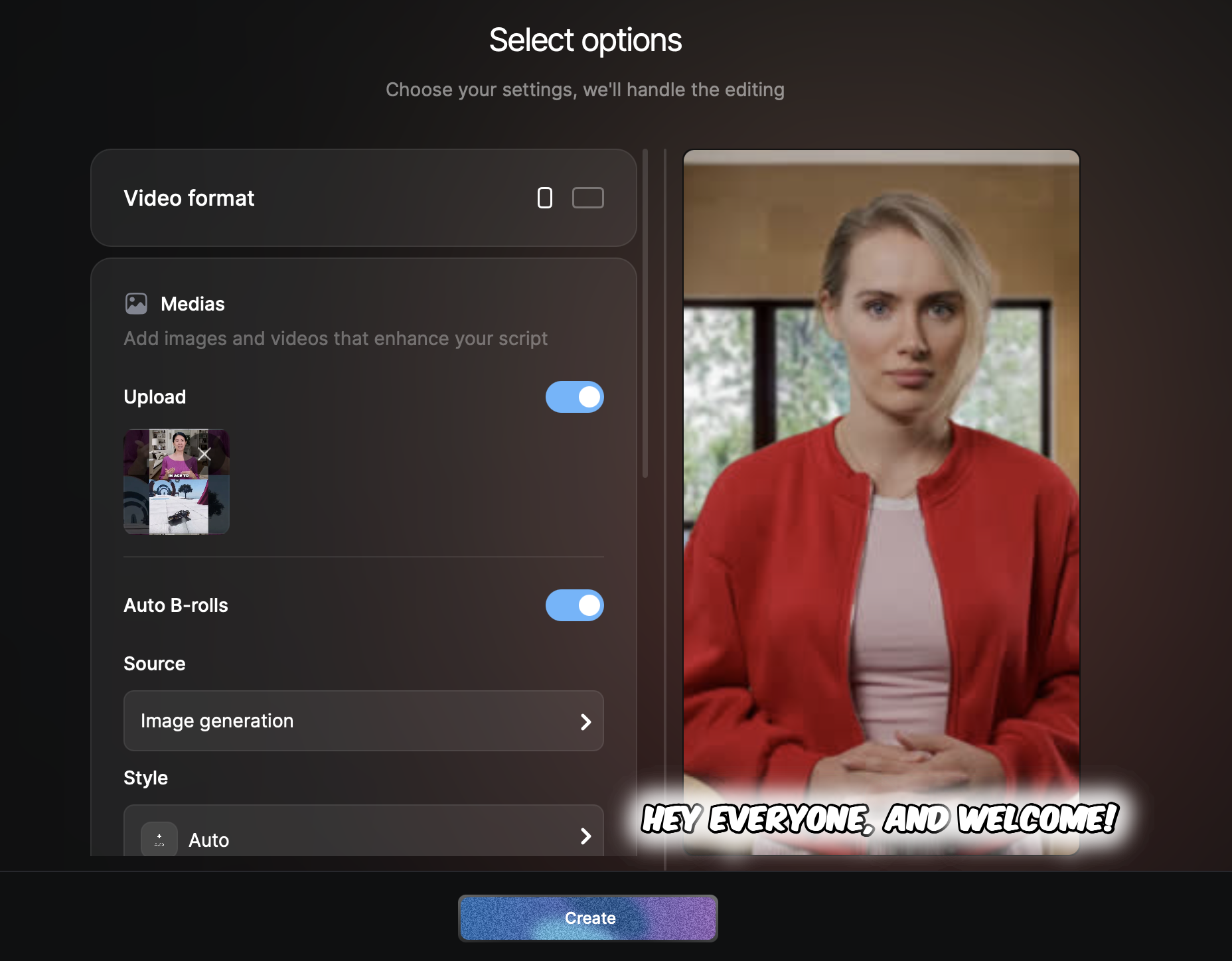
Production overhead is a huge barrier for up-and-coming content creators. Recording, editing, captioning and scheduling videos takes far longer than beginners expect, and they can be expensive if you’re paying for pricey tools or hiring someone with expertise to help you. Most content creators aren’t monetized when they’re just starting out, so they have to pay for these overheads out of pocket, which can be limiting.
Time Barriers
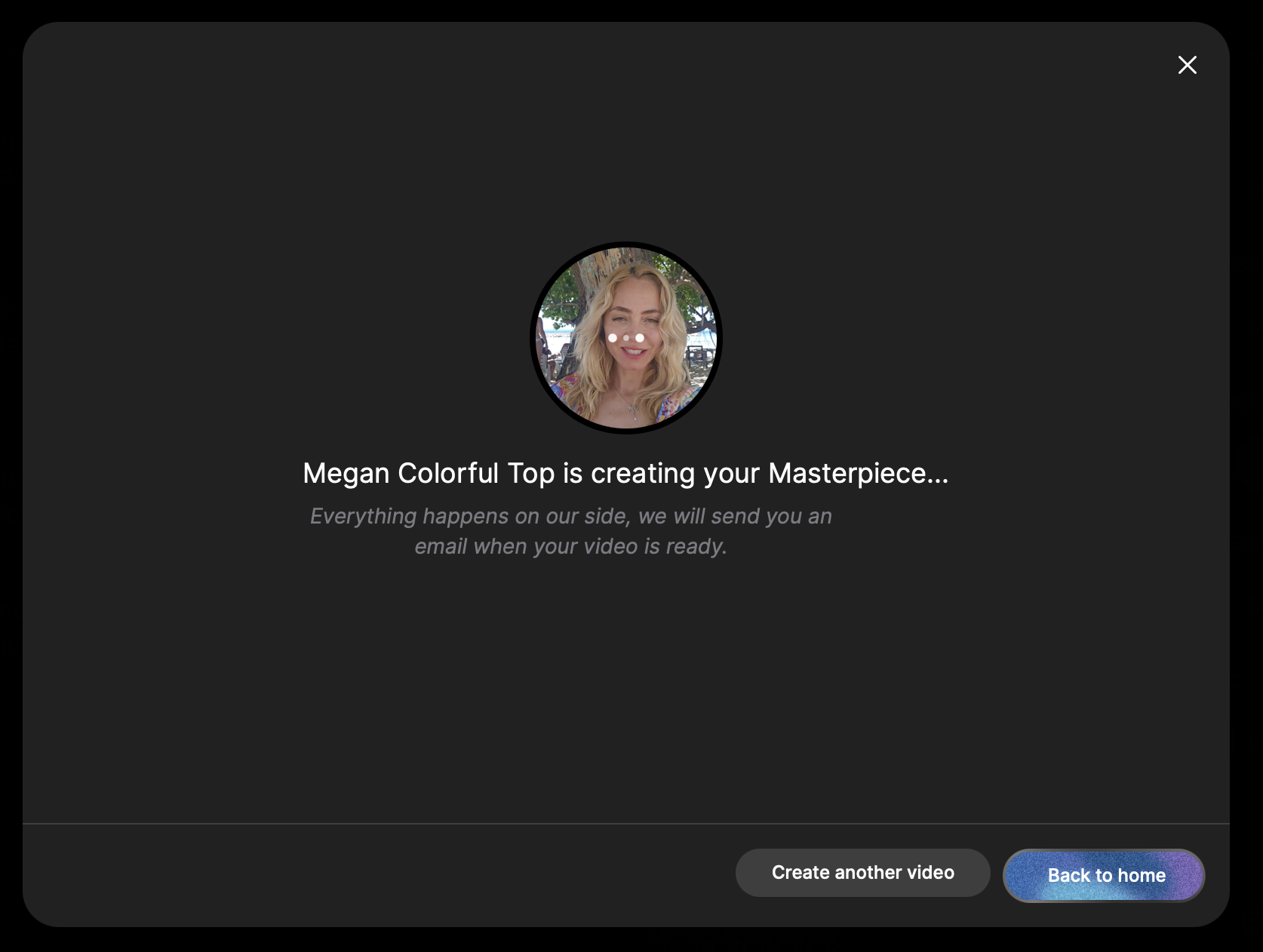
The third barrier is publishing frequency. Platforms reward consistent posting over months – sometimes up to three videos per day – but the time investment required per video often causes creators to give up early because they cannot possibly keep up with this pace.
When examining Seedance AI limitations, it becomes clear that the platform addresses none of these barriers in a productive way.
Firstly, Seedance removes the camera by removing the creator entirely. For someone exploring how to become a content creator, that might appear helpful initially, but it prevents the creator from building a recognisable personal brand, stunting growth and limiting monetization options.
This is where the distinction between tool categories becomes important. Tools like Seedance generate visual assets, while platforms like Argil enable creators to appear in their videos consistently without needing constant filming.
Understanding these Seedance AI limitations helps aspiring creators choose tools that actually support their growth rather than distract from it.
How to Become a Content Creator: Building Your Workflow
One of the most useful insights for beginners learning how to become a content creator is that consistency matters more than perfection.
Publishing three videos every week for six months usually produces more growth than posting daily for two weeks and then stopping. That consistency requires a workflow that keeps production time manageable.
A practical creator workflow typically includes four phases: topic research, script writing, video production and scheduling.
When analyzing Seedance AI limitations, the key observation is that Seedance only touches the visual asset stage of this workflow. It can generate B-roll or atmospheric footage, but it cannot generate AI clones or voiceovers.
For someone learning how to become a content creator, the most important production step is the one that puts your perspective in front of the audience.
This is where tools designed for creator presence make all the difference. Argil, for example, allows creators to record a short reference clip once and then generate future videos from scripts while maintaining their own voice and face.
In a creator workflow that contains other tools like Argil, Seedance can still be useful. But understanding the Seedance AI limitations helps creators place the tool in the right role: generating visual assets that support commentary rather than replacing it.
Seedance AI Limitations: Why It Works Best as a Supporting Tool
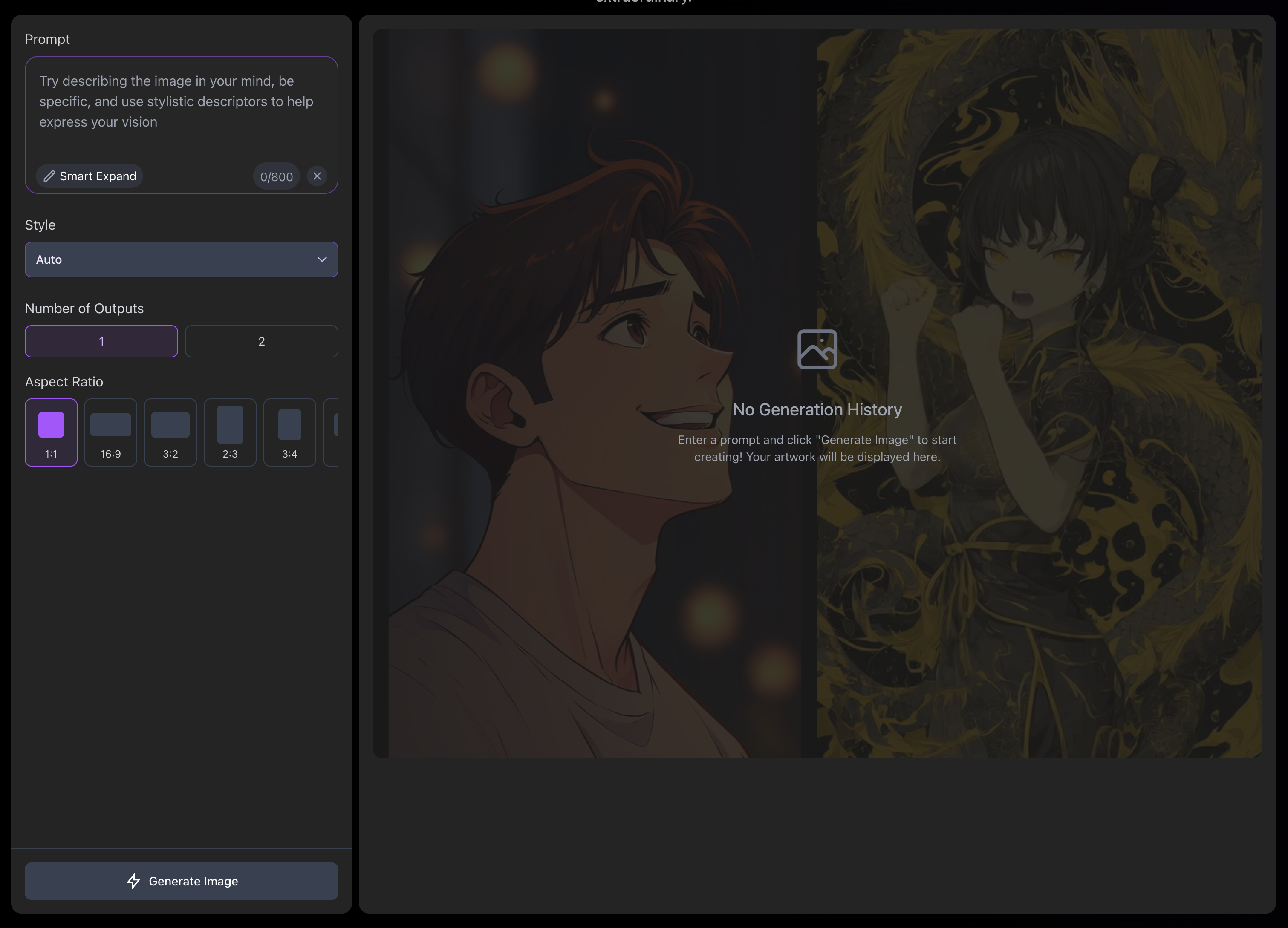
When looking closely at the Seedance AI limitations, it becomes clear that the platform still has meaningful value for creators. It simply belongs in a supporting role rather than as the core production tool.
However, the centre of the content still needs to be the creator themselves, which is where Argil’s workflow becomes relevant.
Instead of requiring repeated filming sessions, Argil allows creators to generate videos from scripts while preserving their own face and voice. For someone learning how to become a content creator, this dramatically reduces the time required to publish consistently – and consistency is the factor that drives algorithm momentum.
The main takeaway of this article is that different tools solve different parts of the production process.
Seedance can generate visual assets, but Argil enables creators to maintain personal presence at scale.
Together, they form a production stack that allows a solo creator to publish at a level that previously required a team.
Sign up today to get started with Argil – you get your first 5 days completely free.