How to Go Viral on TikTok: The 2026 Guide That Actually Works
How to go viral on TikTok in 2026. Learn the algorithm signals, hook frameworks, posting frequency, and content systems that drive millions of views.
Many creators in 2026 want to know how to go viral on TikTok. The frustrating part is that most advice online recycles the same tips from 2022, ignoring the fact that the platform has fundamentally changed how it distributes content. TikTok now rewards different behavior than it did even 18 months ago, and the creators getting millions of views have adapted accordingly. It can be tough to keep up with the platform’s changing algorithm, especially as most creators aren’t managing their channel full time.
This guide covers what actually matters right now. Not theory, not hacks that worked for one person once. The algorithm mechanics, the content frameworks, the production systems, and the realistic expectations that separate creators who consistently hit big numbers from those stuck at 300 views.
What "Going Viral" Actually Means on TikTok in 2026
Viral Is Relative, Not Absolute
Most people think viral means millions of views. That definition misses the point. A creator with 500 followers who gets 50,000 views on a video has gone viral in a far more meaningful way than a creator with 2 million followers who gets 3 million views. Viral is about disproportionate reach relative to your existing audience.
For accounts under 10,000 followers, a video that hits 100,000 views is a breakout. For accounts between 10,000 and 100,000, you're looking at 500,000 or more. The numbers matter less than the ratio, because that ratio is what tells you the algorithm picked your content up and pushed it beyond your existing audience.
The Algorithm Has Shifted
When searching how to go viral on TikTok, it’s important to know that the algorithm has changed. The recommendation system in 2026 puts significantly more weight on content quality signals than it did in earlier years. The platform's internal reports, leaked through various creator partner programs, indicate that watch time and completion rate now carry roughly 3x the weight of likes and follows in determining whether a video gets pushed to the next audience batch. This means a well-structured 45-second video that people watch to the end will outperform a flashy 15-second clip that gets a like and a scroll.
Set Realistic Expectations
Learning how to go viral on TikTok is not so much strategy. It’s more a byproduct of volume, quality, and algorithmic timing. The creators who "randomly" blow up almost always have 50 to 200 videos posted before their breakout moment. Treat virality as a welcome side effect of doing the fundamentals well, and you will actually reach it faster than if you chase it directly.
How the TikTok Algorithm Works (The Parts That Matter)
The Recommendation Engine and the For You Page
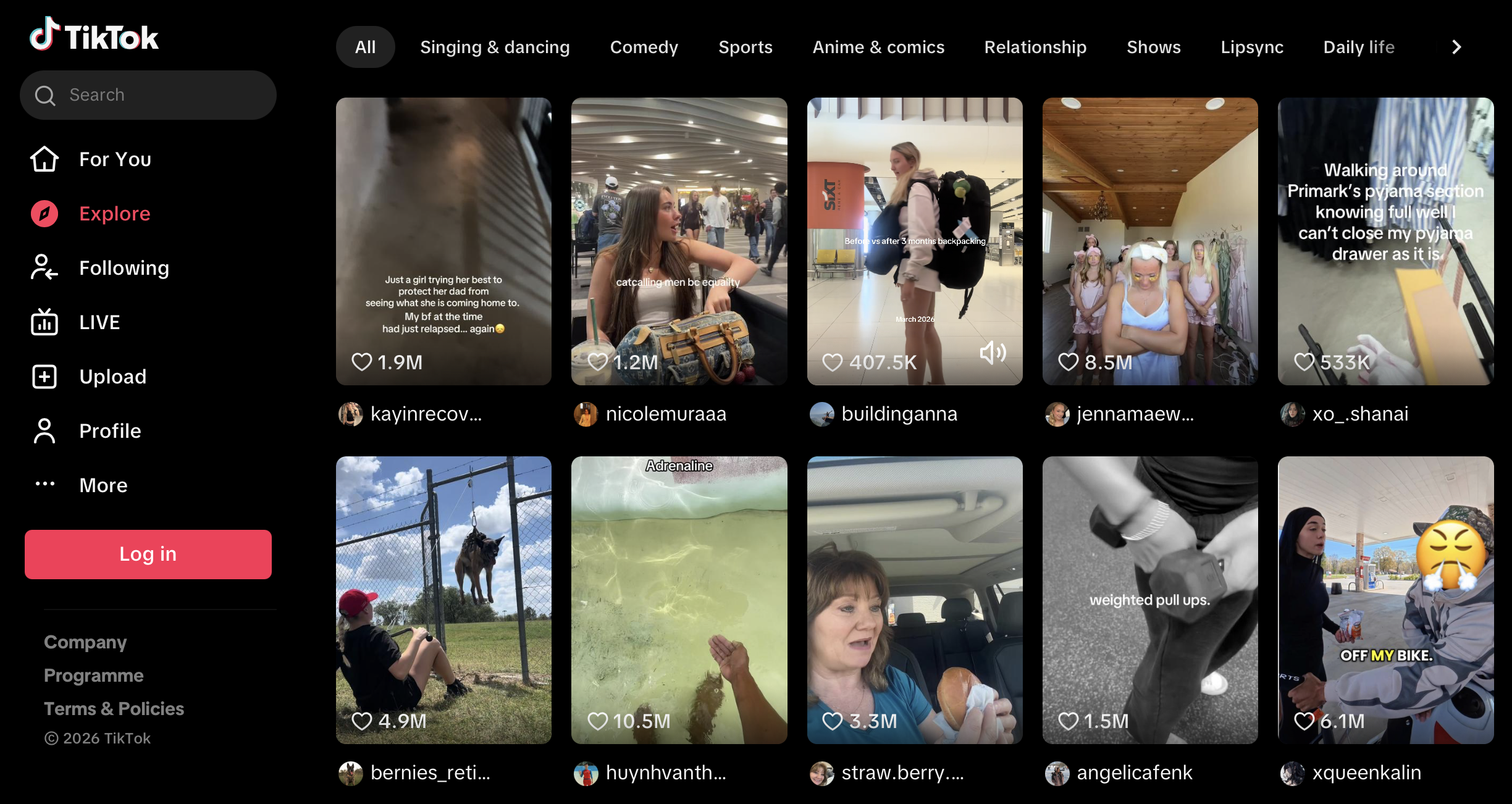
TikTok's For You page is powered by a recommendation engine that evaluates every video independently of the account that posted it. This is the single most important thing to understand when you’re learning how to go viral on TikTok. Unlike Instagram or YouTube, where subscriber count and channel authority heavily influence distribution, TikTok gives every video a fresh shot regardless of who made it. A video from a brand-new account and a video from a creator with 5 million followers enter the same evaluation pipeline.
The system works by serving your video to a small initial batch of users, measuring how they respond, and then deciding whether to push it to a larger batch. This cycle repeats, with each successful batch unlocking a bigger audience pool. The entire process can take anywhere from a few hours to several days, which is why some videos blow up 48 or even 72 hours after posting.
How to Go Viral on TikTok: Key Signals the Algorithm Measures
Not all engagement is equal. The signals that matter most, ranked roughly by weight based on available data from TikTok's own creator education materials and third-party analysis:
- Average watch time and completion rate. The percentage of viewers who watch your video to the end is the single strongest signal. Videos with completion rates above 70% consistently outperform on distribution.
- Shares. When someone sends your video to a friend via DM or shares it to another platform, TikTok treats this as the highest-quality endorsement. Shares carry more algorithmic weight than likes, comments, or saves.
- Saves. A save indicates the viewer found the content valuable enough to return to. This signal has grown in importance over the past year, particularly for educational and tutorial content.
- Comments. Volume matters, but so does comment length and reply threads. A video with 50 comments where people are having actual conversations will outperform one with 200 single-emoji comments.
- Rewatches. TikTok tracks when users loop a video or scrub back to rewatch a section. This is a strong quality signal that many creators overlook.
Likes, follows, and profile visits still count, but they are weaker signals compared to the five above.
The Batch Test System
When you post a video, TikTok shows it to roughly 200 to 500 people in the first batch. These are a mix of your followers and non-followers who have shown interest in similar content topics. If the engagement signals from that first batch are strong, the video gets pushed to a batch of 1,000 to 5,000. Strong signals again, and it goes to 10,000 to 50,000. Each successful batch roughly 5x to 10x the previous audience size.
The key insight is that failing at any batch level stops the chain. Your video does not need to be perfect for everyone for you to learn how to go viral on TikTok. It needs to perform well enough at each stage to unlock the next one. This is why niche content often goes viral more easily than broad content. A video that resonates deeply with a specific audience will have high completion rates and shares in early batches, even if the total addressable audience is smaller.
Why the First 30-60 Minutes Matter
The first hour after posting is when TikTok gathers the initial batch data. If your followers are online and engaging during this window, the early signals are stronger, and the algorithm pushes faster. This does not mean posting at the "wrong" time kills a video. TikTok's system is patient and will continue testing over days. But strong early engagement accelerates the process significantly.
Roughly 60% of a video's total reach is determined within the first 6 hours of posting. After that, the algorithm has usually made its distribution decision, though occasional "delayed viral" events do happen, particularly when a video gets picked up by a trending sound or topic days later.
The Hook: Your First 1-3 Seconds Decide Everything
How to Go Viral on TikTok: Why the Hook Determines 80% of Your Outcome
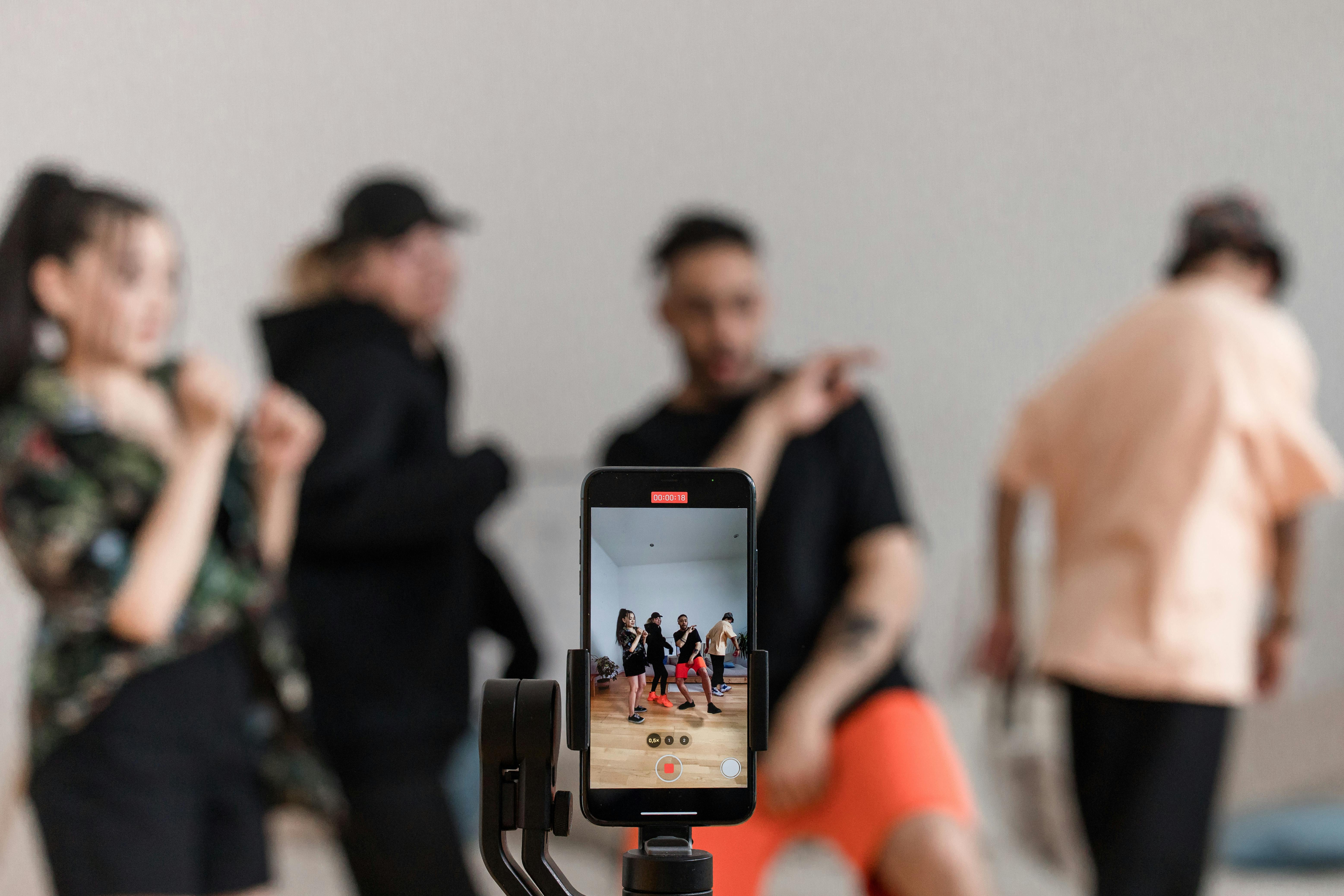
TikTok users scroll fast. Recent data shows that the average user swipes past a video in under 1.5 seconds if the opening does not capture their attention. Your hook is the entire gatekeeping mechanism for whether anyone sees the rest of your content, so it’s the key to how to go viral on TikTok.
A strong hook directly impacts your completion rate, which is the algorithm's top signal. If 60% of viewers swipe away in the first 2 seconds, your average watch time craters, and the algorithm kills distribution after the first batch. A hook that retains even 10% more viewers in those opening seconds can be the difference between 1,000 views and 100,000.
Hook Frameworks That Work
There are four primary hook structures that consistently perform on TikTok in 2026:
Curiosity Gap
Open with a statement that creates an information gap the viewer needs to close. "I made $14,000 last month from TikTok and I only have 3,000 followers." The viewer cannot scroll past without knowing how. The gap between what you stated and what they expect creates a pull that keeps them watching.
Bold Claim
Lead with a statement that challenges a common belief. "Posting at 7 PM is actually hurting your reach." This works because it triggers a need to either confirm or deny what the viewer already thinks. Bold claims generate comments, which further boost the algorithm.
Pattern Interrupt
Start with something visually or audibly unexpected. A jump cut, an unusual camera angle, a sound effect that does not match the visual. The human brain is wired to pay attention to things that break expected patterns. On a platform where every video bleeds into the next, a pattern interrupt forces the viewer to stop scrolling and focus.
Direct Question
"How many views did your last TikTok get?" Direct questions work because they activate the viewer's internal monologue. They mentally answer the question, which creates a micro-commitment to the video. That micro-commitment increases the odds they watch to the end.
A/B Testing Your Hooks
The fastest way to find hooks that work for your niche is to test multiple openings on the same core video. Record the same content with three different hooks, post all three over a few days, and compare the retention curves in your analytics. The video with the highest average watch time in the first 3 seconds wins.
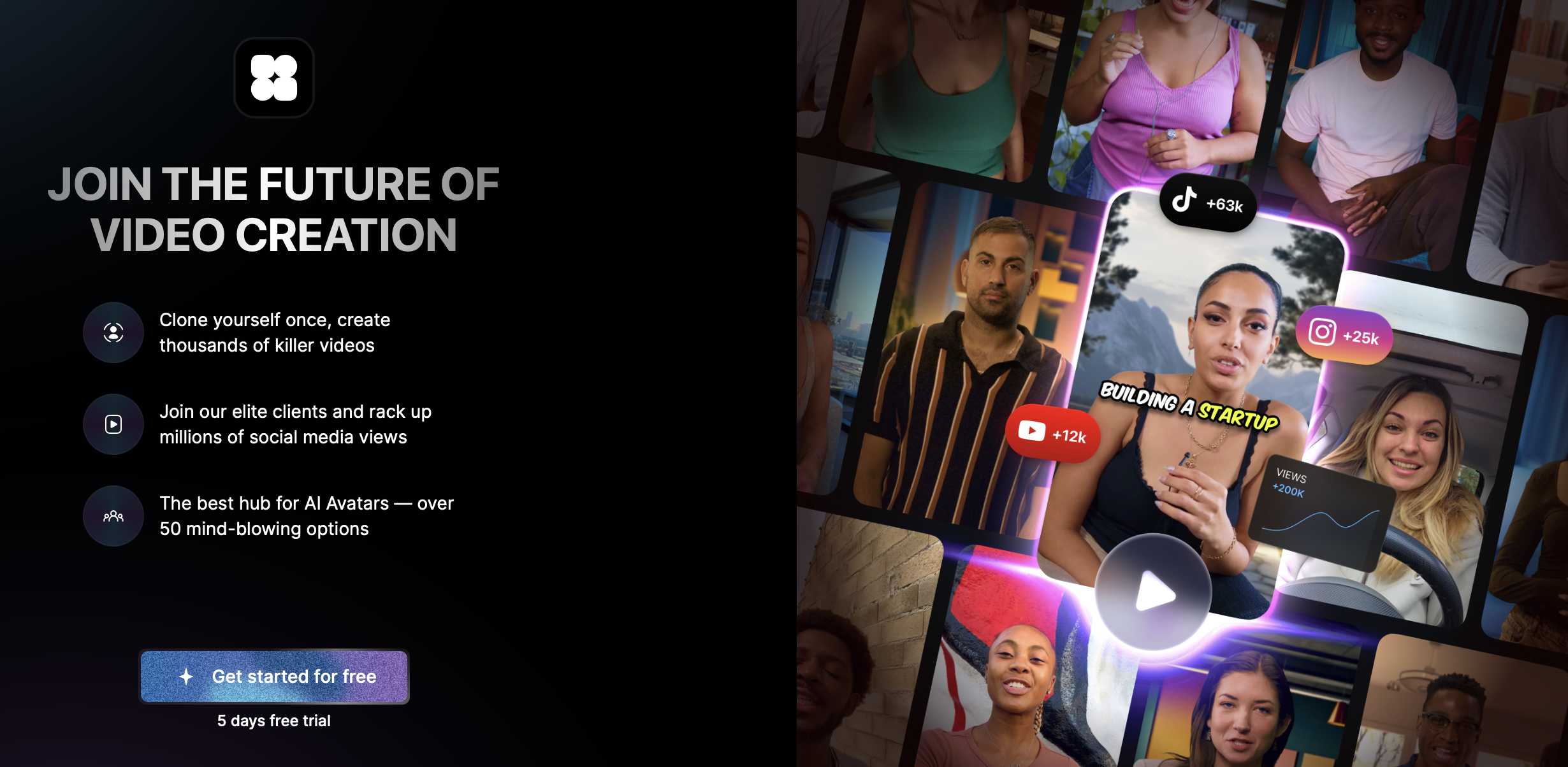
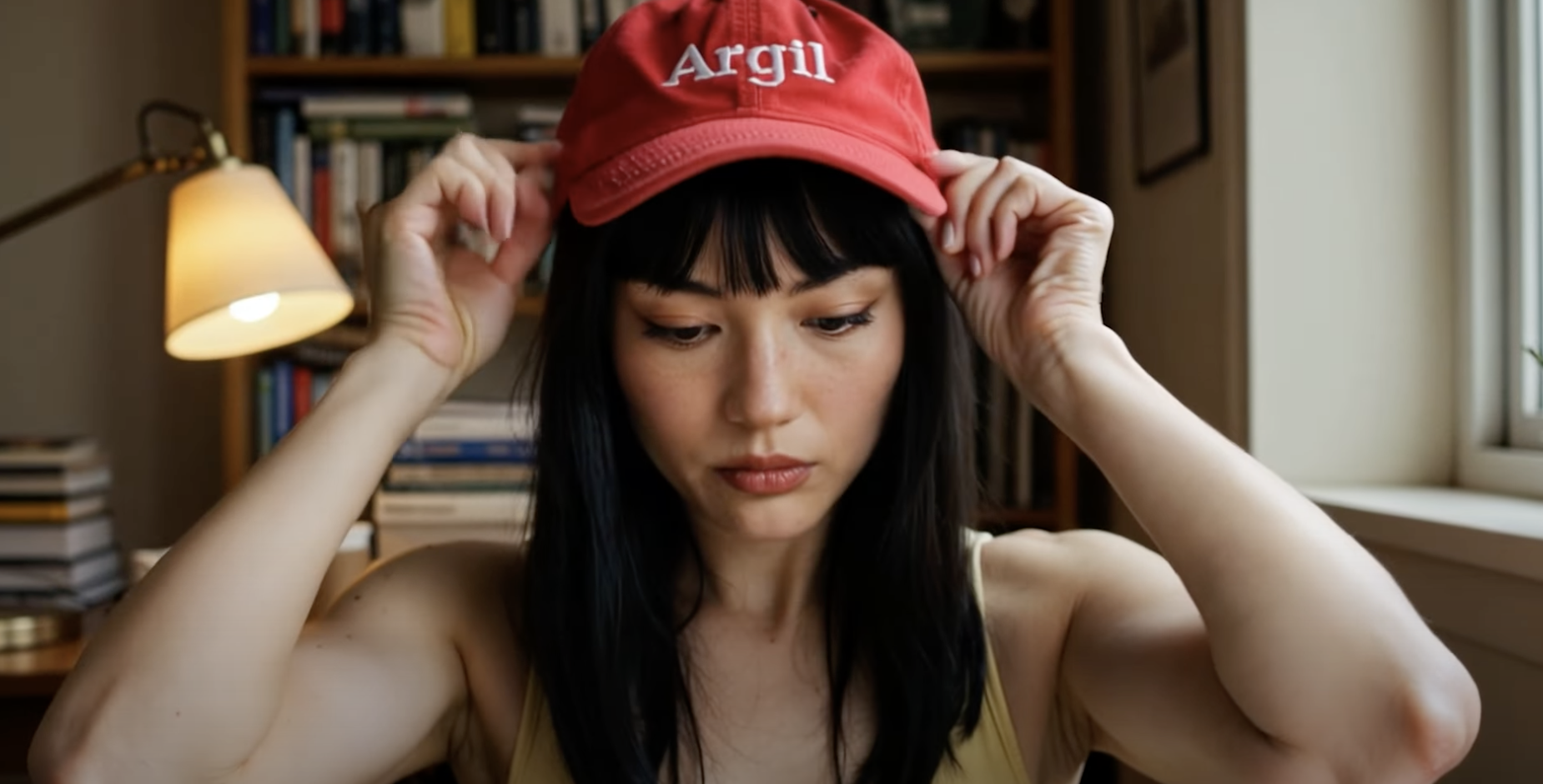
This used to be impractical because it meant filming the same video three times. AI video tools like Argil remove that bottleneck entirely. Write three script variations, generate the videos from your AI clone, and have all three ready to post within minutes. No re-filming, no re-editing. Just test, measure, iterate.
Content Formats That Go Viral Most Often
Storytime and Personal Narrative
Personal stories consistently outperform polished content on TikTok. The format is simple: talk directly to the camera, tell a story with a clear beginning, conflict, and resolution. What makes these work is relatability. Viewers engage with real experiences more than produced content, and the narrative structure naturally keeps them watching to find out what happened.
The best-performing storytime videos follow a "setup, escalation, payoff" structure and keep the payoff for the final 20% of the video. This structure maximizes watch time because viewers who get hooked by the setup will watch through the escalation to reach the payoff.
"Things I Wish I Knew" and Listicle Format
Listicle videos ("5 things I wish I knew before starting a business," "3 mistakes every new creator makes") are reliable performers because they set clear expectations up front. The viewer knows exactly what they are getting, and the numbered format creates a natural retention loop. After hearing point 1, most viewers will stay for point 2, and so on.
Keep these to 3-5 points for videos under 60 seconds and up to 7-10 for longer-form content. Each point should deliver a specific, actionable insight, not vague advice. "Post consistently" is vague. "Post between 11 AM and 1 PM because that is when TikTok's US audience spikes during lunch breaks" is specific.
Duets and Stitches
Duets and stitches let you piggyback on existing viral content while adding your own perspective. This format works because TikTok's algorithm already knows the original video performed well, so derivative content gets a distribution boost. The key is adding genuine value. React, disagree, build on the original point, or tell a related story. Pure reaction duets with no substance get penalized by viewers and the algorithm alike.
Tutorial and Quick How-To
Tutorial content has the highest save rate of any format on TikTok (Sprout Social Index, 2025). Saves are a top-tier algorithm signal, which means tutorial videos have a built-in distribution advantage. The best tutorials solve a specific, narrow problem in under 90 seconds. Broad tutorials ("how to grow on TikTok") underperform compared to narrow ones ("how to add captions that match your brand colors in 30 seconds").
Hot Take and Contrarian Opinion
Contrarian opinions generate comments, and comments fuel distribution. The format is straightforward: state a belief that goes against the mainstream view in your niche, then back it up with reasoning or evidence. The risk is that poorly reasoned hot takes get ripped apart in the comments, which hurts your brand. The reward is that well-reasoned contrarian content gets shared widely because it gives people something to discuss.
Behind-the-Scenes and Day-in-the-Life
Behind-the-scenes content performs well because it satisfies curiosity about how things work. "A day in my life as a real estate agent" or "behind the scenes of running a 6-figure coaching business" pull viewers in because the lifestyle itself is the hook. This format is particularly strong for personal brand building because it humanizes the creator and builds trust over time.
Posting Frequency and Timing
The Volume Game
Posting frequency directly correlates with viral outcomes. Accounts that post 1-3 times per day have roughly 4x the likelihood of producing a viral video in any given month compared to accounts posting 2-3 times per week. Each video is an independent lottery ticket in TikTok's batch test system. More tickets, more chances.
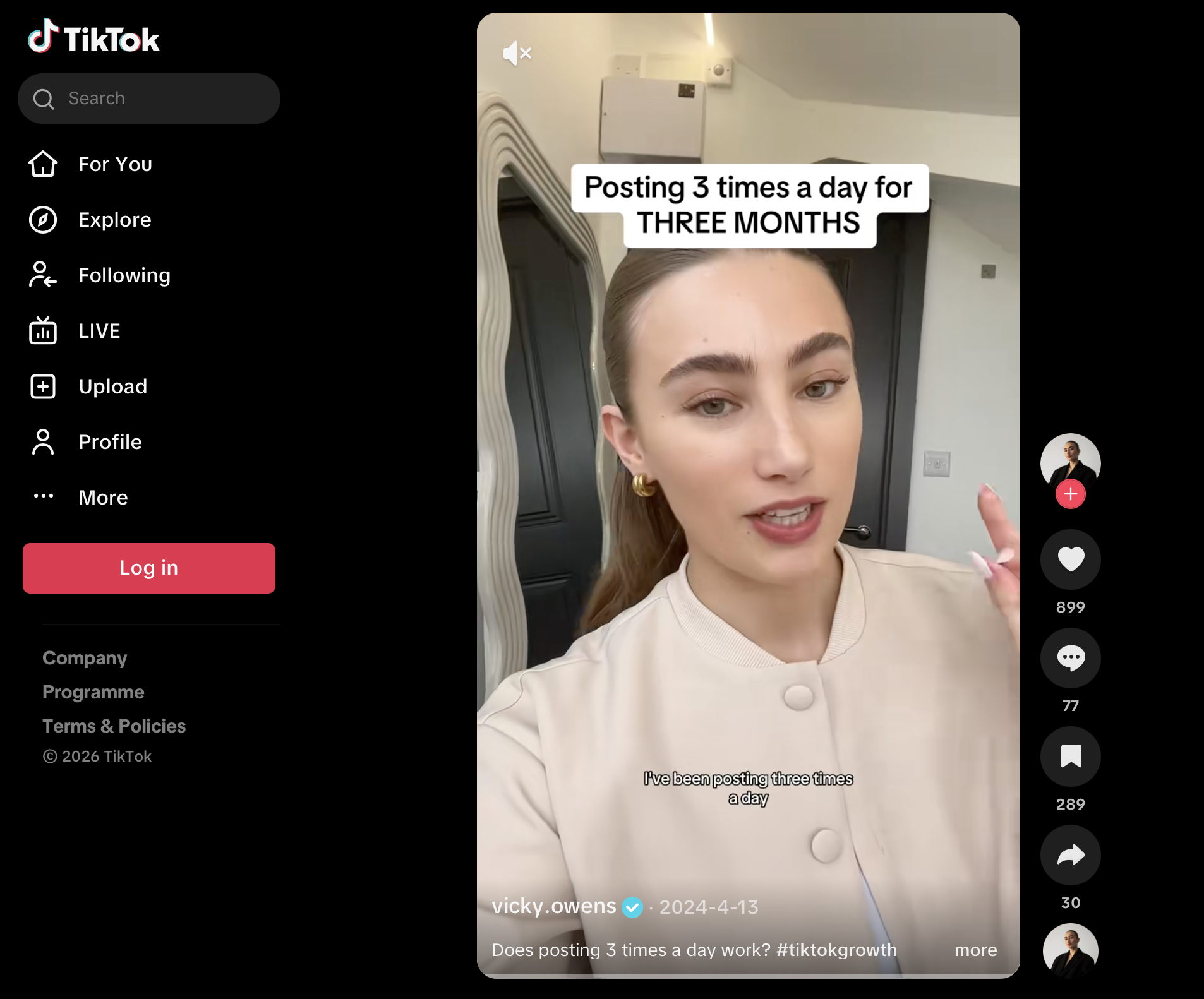
The ideal cadence for growth-focused creators is one post per day minimum, with 2-3 per day being optimal if content quality can be maintained. Posting more than 3 times daily shows diminishing returns because the algorithm starts competing your own videos against each other.
When to Post
The best posting times vary by audience location, but aggregate data across millions of accounts shows consistent patterns for US-based audiences: weekday mornings between 7 AM and 9 AM, lunch hours between 11 AM and 1 PM, and evenings between 7 PM and 10 PM perform strongest. For global audiences, stagger posts across multiple time zones.
Check your own TikTok analytics under the Followers tab. The "Most Active Times" chart shows exactly when your specific audience is online. That data beats any generic best-time-to-post article.
The Production Bottleneck
Most creators know they should post daily. Very few actually do it, and the reason is almost always production friction. Filming, editing, adding captions, adjusting cuts, exporting. A single 60-second TikTok can take 30 to 90 minutes to produce from scratch. Multiply that by daily posting, and you are looking at a part-time job just on video production.
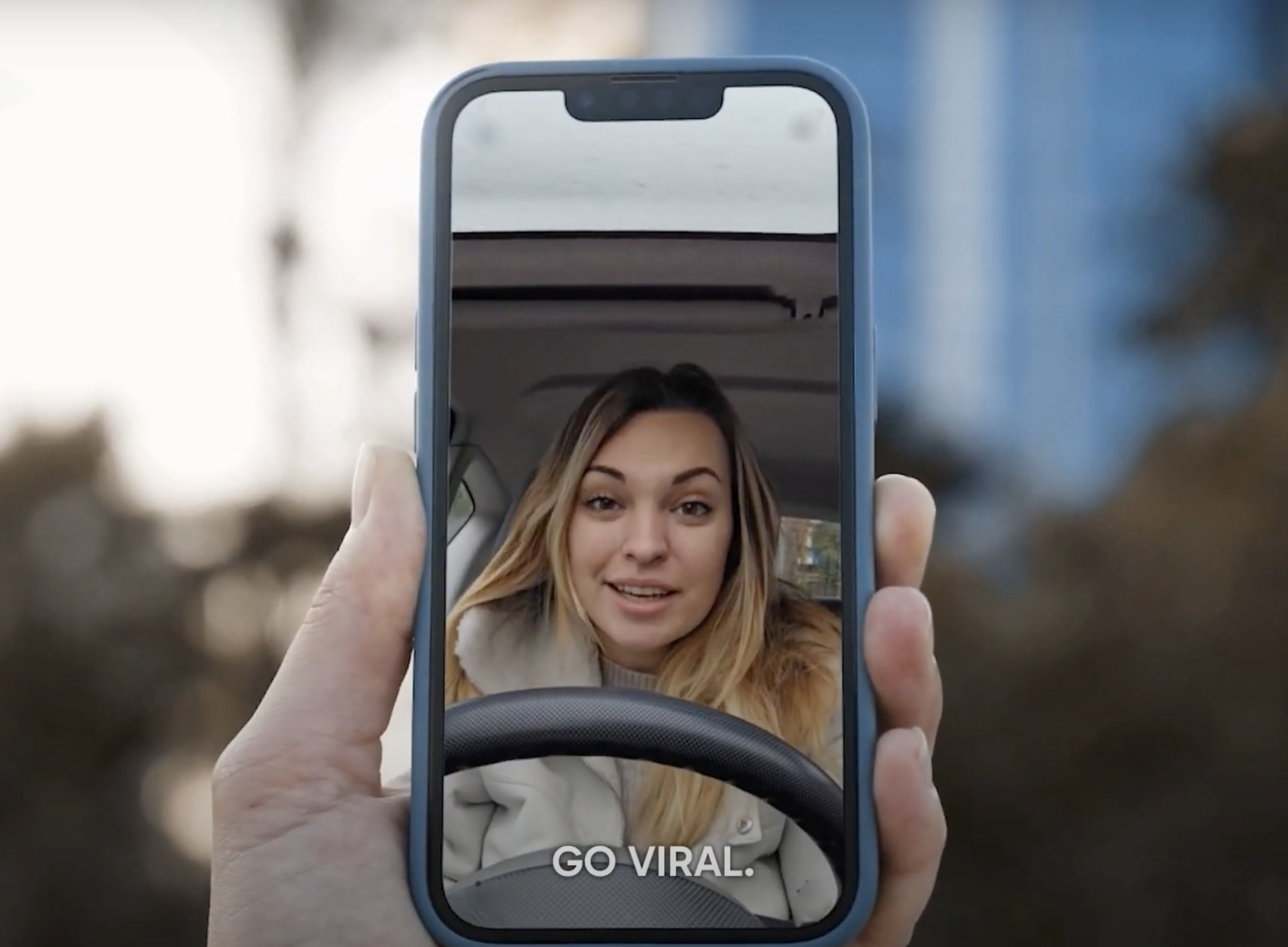
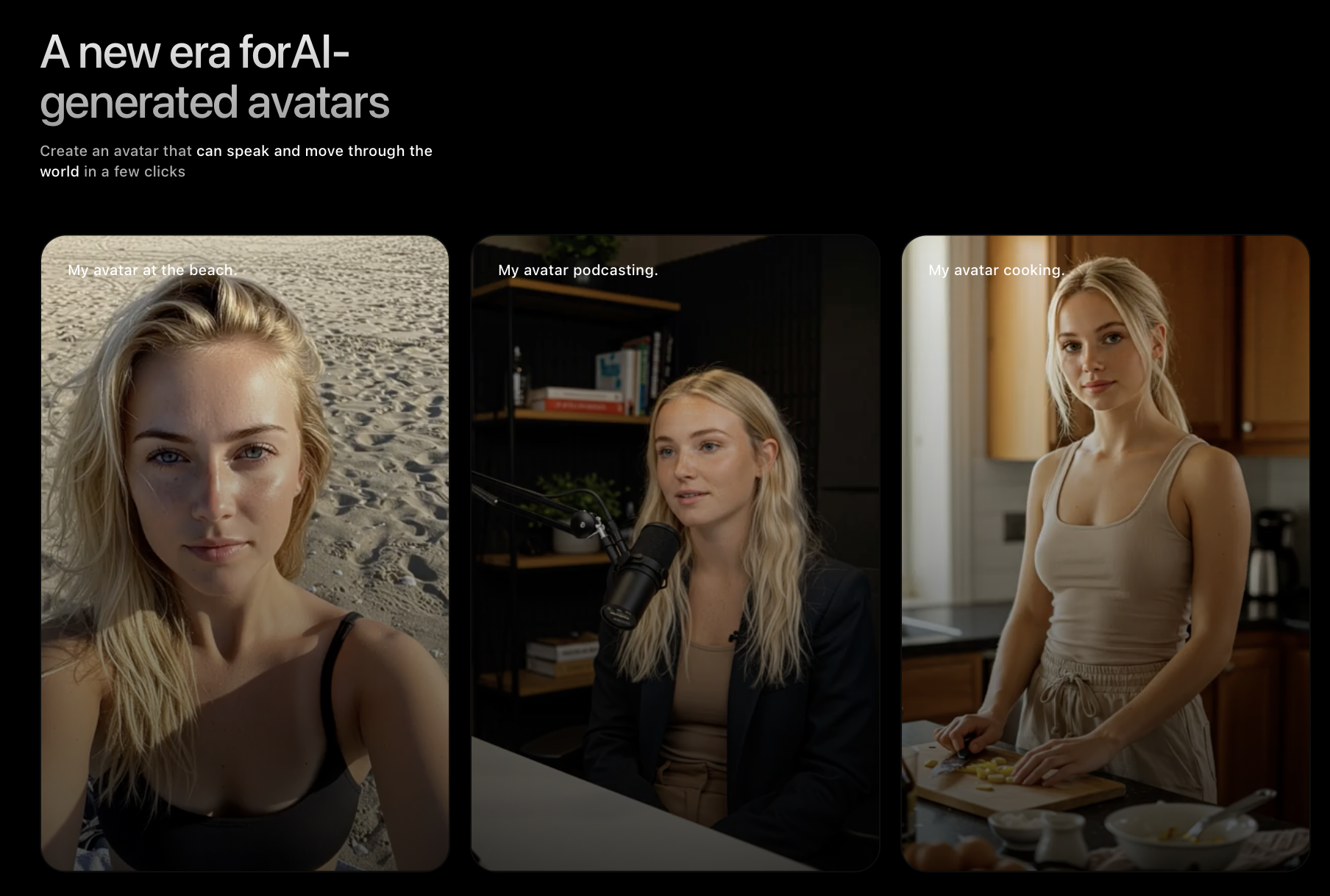
This is where AI video generation changes the equation. With tools like Argil, you upload a short training video once, and the platform creates an AI clone that generates fully edited short-form videos from scripts. Write five scripts in a batch, generate five videos, and you have a week of content ready in under an hour. The production bottleneck disappears, and you can focus your time on strategy, engagement, and script quality instead of sitting in front of a camera every day. If the concept of creating video content without being on camera appeals to you, AI clones are the most practical path in 2026.
Engagement Tactics That Boost Distribution
Comment Seeding
Post a comment on your own video immediately after publishing. Ask a question, add context, or drop a hot take related to the video. This does two things: it gives early viewers something to respond to, which kickstarts the comment thread, and it signals to the algorithm that the video is generating conversation. Videos with active comment sections within the first 30 minutes consistently get pushed to larger batches.
CTA Placement
Place your call-to-action at the end of the video, not the beginning. Viewers who reach the end have already demonstrated high engagement by watching through. Asking them to follow, like, or comment at that point converts at a much higher rate than front-loading the ask. The one exception is asking a question at the start ("let me know in the comments"), which serves as both a hook and a CTA.
Reply-to-Comment Videos
TikTok lets you create new videos that directly reply to a comment on a previous video. This format is powerful for two reasons. First, it creates a content thread that drives viewers back to your earlier video, boosting its metrics retroactively. Second, it shows the algorithm that your content generates ongoing discussion, which is a positive signal for your account overall.
Series Content and "Part 2" Hooks
End a video at a cliffhanger or mid-story and tell viewers to follow for Part 2. This is one of the most effective follower growth tactics on TikTok because it converts casual viewers into followers who do not want to miss the continuation. Series content also benefits from the algorithm's tendency to recommend related videos from the same creator if a viewer engaged with the first one.
How to Go Viral on TikTok: Do Hashtags, Sounds, and Trends Still Matter?
Trending Sounds
Using a trending sound still gives a measurable distribution boost, but the effect is smaller than it was in 2023-2024. TikTok's algorithm now weighs content quality signals far more heavily than sound selection. That said, if a sound is genuinely trending and fits your content naturally, use it. The boost is modest but free. Forcing a trending sound onto content where it does not fit hurts more than it helps.
Niche Hashtags vs. Broad Hashtags
Broad hashtags like #fyp and #viral are essentially meaningless in 2026. TikTok's algorithm categorizes your content based on the actual video content (visual recognition, audio analysis, text overlay), not hashtags. Where hashtags do help is in niche categorization. Tags like #realestatetips, #contentcreatortips, or #smallbusinessowner help the algorithm place your video in front of the right initial audience, which improves early engagement rates.
Use 3-5 niche-relevant hashtags per video. Skip the broad ones entirely.
Trend-Jacking
Jumping on trends early still works. The window is narrow, typically 48 to 72 hours from when a trend starts gaining momentum. The creators who benefit most from trends are those who adapt the trend to their niche rather than copying it exactly. A real estate agent who adapts a trending dance format to showcase property tours gets both the trend boost and the niche relevance.
The Consistency Compound: Why Volume Beats Perfection
The Data Behind Breakout Accounts
Analysis of 10,000 TikTok accounts that achieved their first viral video (100K+ views) in 2025 found that the median account had posted 67 videos before their breakout. The top quartile posted 120+ videos before hitting. Only 3% of accounts went viral on their first 10 videos.
This data tells a clear story. Virality is not about finding the perfect video. It is about building enough skill, audience signal data, and algorithmic history that a breakout becomes statistically inevitable.
The "100 Videos" Framework
Commit to posting 100 videos before you evaluate whether TikTok is "working." In those 100 videos, you will learn what your audience responds to, which hooks work in your niche, what video length performs best for your content type, and how to structure a video that retains attention. You will also build enough data in TikTok's system for the algorithm to understand who to show your content to.
Most creators quit between video 15 and 30, right when the learning curve starts to flatten and the algorithm starts to "get" their content. The ones who push through to 100 almost always find their groove.
Maintaining Daily Output Without Burning Out
The math of daily posting at scale comes down to systems, not effort. Creators who try to shoot, edit, and post a new video from scratch every single day burn out within weeks. Creators who build content systems last for years.
A sustainable daily posting system looks like this: dedicate one day per week to scripting. Write 7-14 scripts in a focused 2-3 hour session. Then batch-produce the videos in a single sitting. If you are filming yourself, this means one long recording session with outfit changes. If you use AI video generation through Argil, it means pasting your scripts into the platform and generating all 7-14 videos from your AI clone in under an hour. Either way, you are separating creation from distribution, which is the only way to sustain volume.
Argil's workflow is particularly effective for this because the AI clone maintains your visual identity and speaking style across every video. You write the scripts, the platform handles production, and you spend the rest of your week engaging with comments, analyzing analytics, and refining your strategy. The latest developments in AI video generation have made this workflow viable even for creators who previously resisted AI tools.
Why Perfection Is the Enemy of Virality
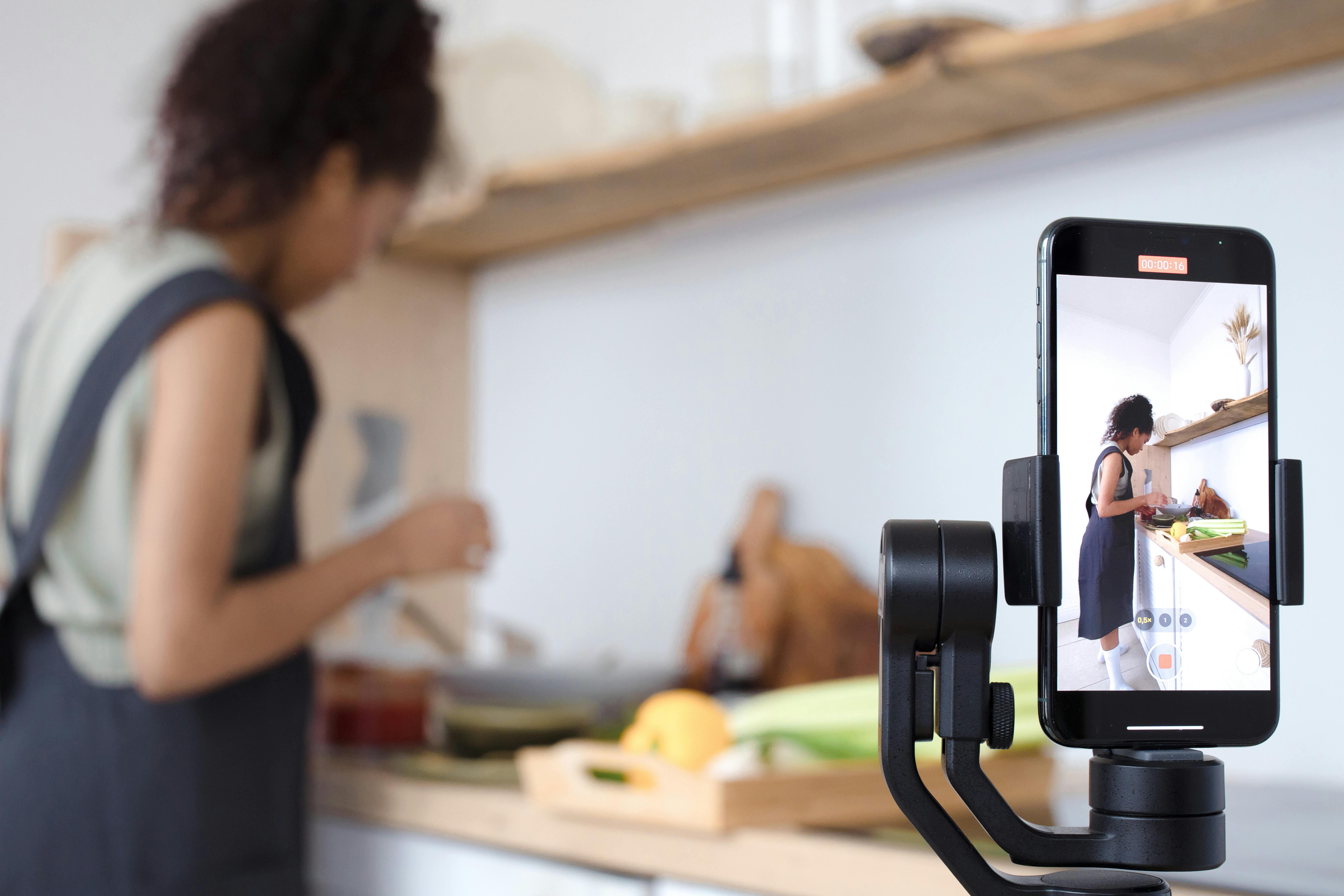
TikTok's culture rewards rawness over polish. Videos shot on a phone with natural lighting consistently outperform studio-quality productions in organic reach. The reason is cultural, not algorithmic. TikTok users engage with content that feels like it was made by a person, not a production team. Spending 3 hours perfecting a single video is almost always a worse use of time than spending those 3 hours producing 4-5 good-enough videos.
The math is simple. Four videos at 80% quality give you four chances at the algorithm. One video at 99% quality gives you one chance. Over a month, the high-volume approach produces roughly 120 data points and opportunities versus 30. The high-volume creator learns faster, reaches more audience segments, and statistically hits viral more often.
Common Mistakes That Kill Your Viral Potential
Deleting "Failed" Videos Too Early
TikTok videos can pick up momentum days or even weeks after posting. A video sitting at 400 views on day one can hit 100,000 by day four if it gets picked up by a new audience batch. Deleting underperforming videos within 24 hours kills this potential entirely. Leave every video up for at least 7 days before evaluating performance.
Inconsistent Posting
Gaps in posting hurt more than most creators realize. TikTok's algorithm favors active accounts, and going silent for a week effectively resets some of the algorithmic momentum you have built. If you cannot post daily, set a realistic schedule you can maintain and stick to it.
Ignoring Analytics
TikTok gives you detailed analytics on every video: average watch time, traffic sources, audience demographics, watch-through rate by second. Creators who check these metrics and adjust their content accordingly improve roughly 2x faster than those who just post and hope. Pay particular attention to the drop-off graph, which shows exactly where viewers stop watching. That drop-off point tells you where your content lost them.
Overproducing Content
Ring lights, professional microphones, color-graded footage. None of these correlate with viral performance on TikTok. In fact, overproduced content often triggers a "this is an ad" response in viewers, leading to faster scroll-past rates. Keep production simple. Good lighting (a window works fine), clear audio (your phone's mic is usually sufficient), and a clean background are all you need.
No Clear Niche
The algorithm needs to know who to show your content to. If your account posts cooking videos on Monday, fitness tips on Wednesday, and comedy skits on Friday, TikTok cannot build a coherent audience profile for you. When learning how to go viral on TikTok, pick a niche, commit to it for at least 100 videos, and let the algorithm learn your audience. You can expand later once you have a base. Becoming a focused content creator is step one before worrying about virality.
FAQ
How many views is considered viral on TikTok?
There is no universal number. Viral is relative to your account size. For most creators, a video that reaches 10x your follower count in views within 48 hours qualifies as a viral moment. In absolute terms, most people in the creator community consider 500,000 to 1 million views as the threshold where a video is undeniably viral.
Can you go viral on TikTok with 0 followers?
Yes. TikTok's algorithm evaluates videos independently of account size. A brand-new account with zero followers can reach the For You page on its first video if the content signals (watch time, completion rate, shares) are strong. This happens regularly, though it is more common after an account has posted 10-20 videos and the algorithm has data to work with.
What's the best time to post on TikTok to go viral?
For US audiences, the strongest windows are 7-9 AM, 11 AM-1 PM, and 7-10 PM on weekdays. Tuesday through Thursday tend to outperform other days. However, your specific audience may differ. Check TikTok Analytics under the Followers tab for your audience's active hours and prioritize that data over generic recommendations.
How many TikToks should you post per day?
One to three videos per day is the sweet spot for growth. Posting once daily is the minimum to build consistent algorithmic momentum. Two to three gives you more chances at the batch test system without cannibalizing your own reach. More than three per day shows diminishing returns for most accounts.
Do hashtags help you go viral on TikTok?
Niche-specific hashtags provide a modest boost by helping the algorithm categorize your content for the right initial audience. Broad hashtags like #fyp and #viral have no measurable impact. Use 3-5 relevant niche tags per video and focus your energy on content quality instead of hashtag research.
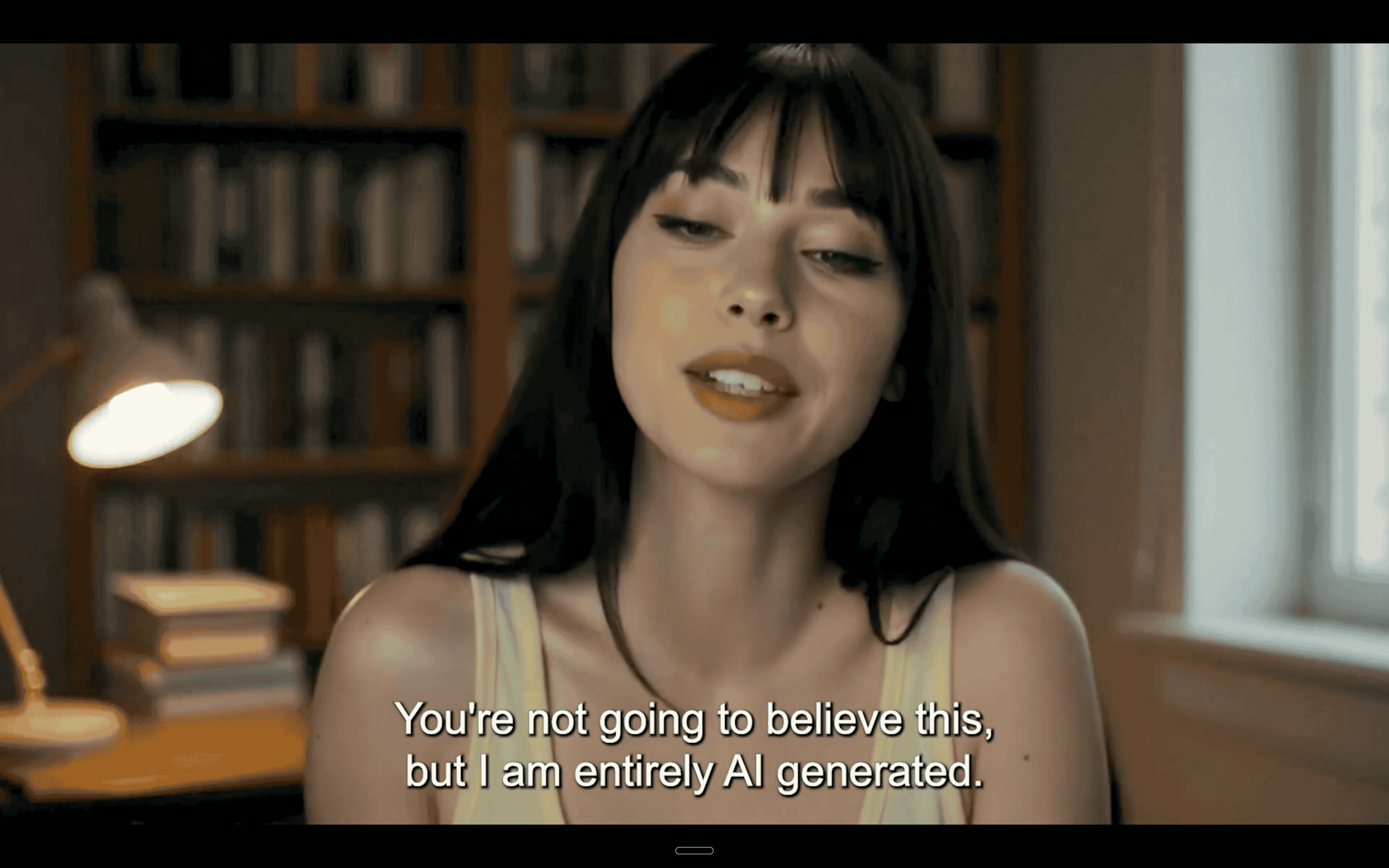
Can AI-generated videos go viral on TikTok?
Absolutely. TikTok's algorithm does not distinguish between traditionally filmed and AI-generated videos. What matters is how viewers respond. AI-generated videos that deliver strong hooks, valuable content, and high watch time perform identically in the algorithm to camera-shot footage. Creators using AI video tools to increase their posting volume are seeing higher viral rates simply because they produce more content and can A/B test more aggressively.
How long does it take for a TikTok to go viral?
Most viral videos show clear momentum within 6-12 hours of posting. The initial batch test happens within the first 1-2 hours, and if signals are strong, the video enters rapid distribution. However, delayed virality is common. Some videos sit at low view counts for 2-7 days before suddenly spiking, usually because they got picked up by a new audience segment or aligned with a trending topic.
Related Articles
- Personal Brand Examples That Actually Drive Business (and What AI Changes Next)
- How To Never Run Out of Video Ideas in 2025 (Argil: The First AI Content Co-Pilot)
- How to Create Video Content Without Being on Camera (Beginner-Friendly Guide)
TikTok viral strategy, algorithm tips, and content systems for creators in 2026