
Seedance AI B-roll for YouTube News Creators: What It Solves and What It Doesn't in 2026
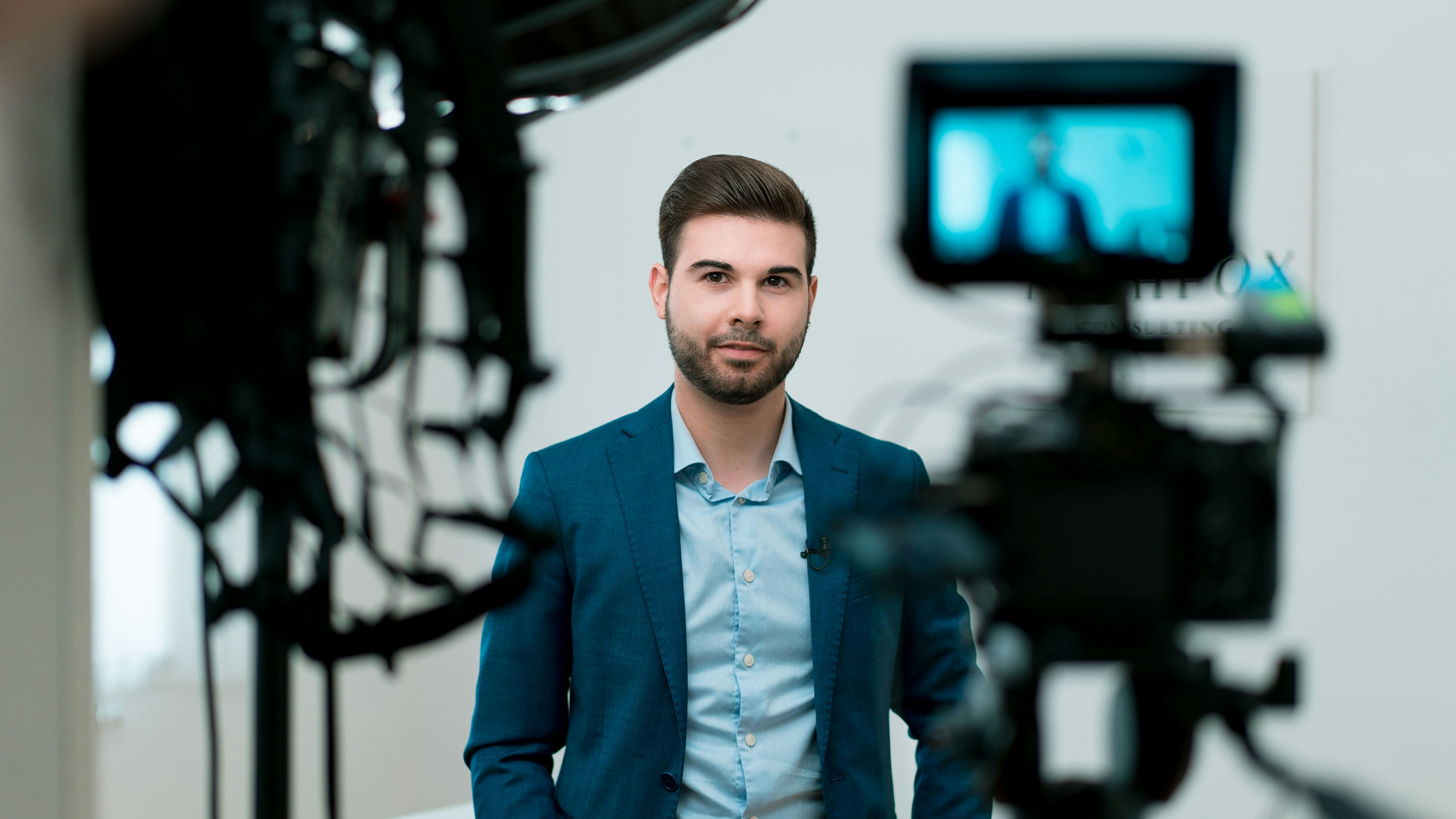
What Is Seedance AI B-roll for YouTube News Creators?
AI video tools have become part of the everyday workflow for many independent journalists and commentators, and YouTube news creators are no exception. One tool drawing particular attention right now is Seedance 2.0, the latest multimodal AI video generation tool from Bytedance – the company behind TikTok.
Interest in Seedance AI B-roll has grown because it promises something video journalists have wanted for years: a fast way to generate high-quality footage without relying on stock libraries.
For many YouTube news creators, this capability is genuinely useful, helping them to illustrate their coverage and making their videos more engaging to the viewer. But while Seedance solves a real visual production challenge, it does not address the biggest bottleneck most independent news channels face: logistical filming challenges involving real-life presenters.
To understand why, it helps to look at where Seedance AI B-roll actually fits inside the broader workflow of YouTube news creators, along with what it can provide, and where it falls short.
Why Seedance Is Popular Among YouTube News Creators
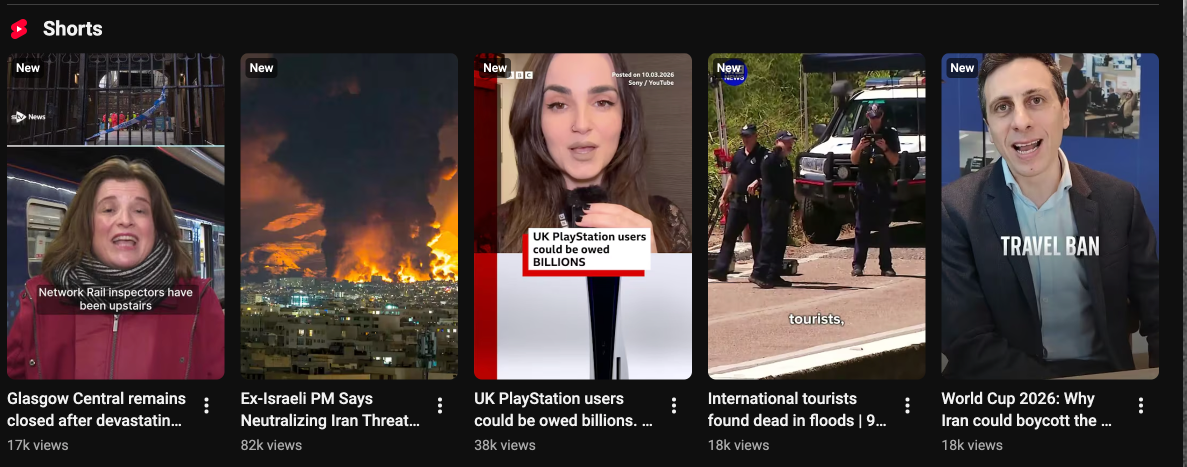
Seedance is a text-to-video and image-to-video generation system developed by ByteDance’s Seed research team. Its ability to produce short cinematic clips from written prompts has immediately attracted attention in the independent news space, offering industry-leading camera controls and director-level editing and lighting.
For YouTube news creators, the production pain point that Seedance addresses is simple. News analysis videos require visual context, which is where B-roll comes in. A creator explaining a geopolitical conflict, technology policy decision or financial event typically includes multiple illustrative clips during the explanation to keep the audience’s attention and help them understand and make sense of the script.
Historically, YouTube news creators had only two options when it comes to B-roll footage:
- License stock video
- Reuse public footage with complicated attribution requirements
However, both approaches slow down production schedules and introduce complex legal considerations. The reason Seedance AI B-roll has quickly gained traction is because it’s simple to use and sidesteps both of these issues.
If you’re a YouTube news creator, suddenly you can generate visual scenes in an instant by writing a simple prompt, instead of searching through stock libraries and hand-selecting clips. A description such as “satellite view of a financial district at night with digital trading graphics” can become a short section of B-roll and automatically inserted into your video in seconds.
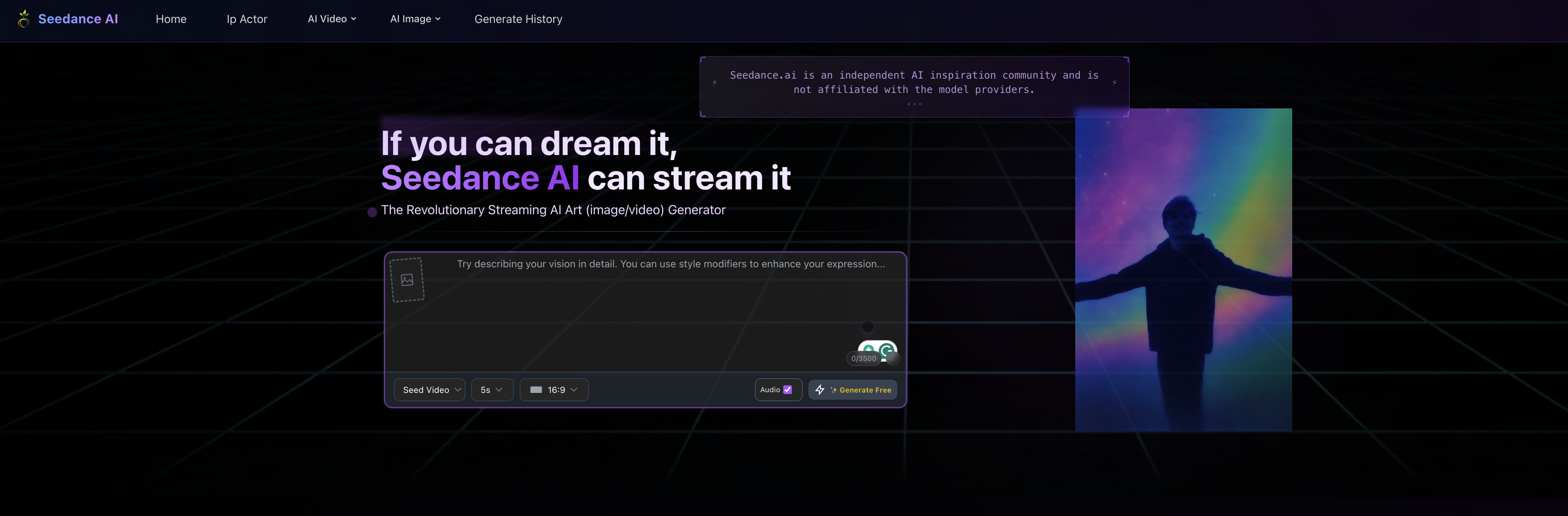
ByteDance expanded the model’s capabilities with the release of Seedance 2.0 in 2026, adding longer clips and optional audio generation. These improvements made Seedance AI B-roll even more practical for YouTube news creators producing lots of content, along with the evolution of the image-to-video function. Now, maps, charts or still photos can be animated into motion clips that add visual interest to a segment and help viewers to interpret the data more easily.
In practice, this means YouTube news creators now have a tool that dramatically speeds up one part of their production process. But B-roll is only one part of the video production process, and it’s not the main part that creators usually stumble over.
What’s the Average Workflow for YouTube News Creators?
The workflow for YouTube news creators producing regular analysis videos typically follows four phases:
- Research and verification
- Script writing
- On-camera filming
- Post-production editing
Research remains the most time-protected stage because the credibility of YouTube news creators depends on verifying sources, comparing reports and explaining what developments actually mean.
Script writing follows research, and while AI tools can help structure ideas, most serious YouTube news creators still build scripts around verified facts and their own analysis rather than relying solely on AI outputs.
The next stage is filming. This is where the personal element enters the process. Viewers subscribe to specific YouTube news creators because they trust the individual delivering the analysis, but spending hours in front of a camera is easily the part of the process that takes the most time, and requires the most retakes.
Finally comes post-production: editing the video, adding captions, inserting (for example) Seedance AI B-roll, creating thumbnails and uploading the finished video.
Automation has already reduced the time required for captions and basic editing, but Seedance AI B-roll specifically improves the visual sourcing step inside post-production.For many YouTube news creators, that step previously required 30-45 minutes of stock library searching per video. With Seedance AI B-roll, that task can often be reduced to generating clips directly from prompts.
The result is a meaningful improvement in editing efficiency. However, it doesn’t change the fundamental constraint of the workflow, which is the time spent in front of the camera filming and reshooting content.

Where Seedance AI B-Roll Helps, and Where It Doesn’t
There are several situations where Seedance AI B-roll is particularly effective for YouTube news creators. Establishing shots are one example: a city skyline, a financial trading floor or an atmospheric government building shot can be generated quickly without stock licensing.
Abstract concept visuals are another. Topics such as financial markets, AI infrastructure, or data flows benefit from animated visuals that make complex ideas easier to explain.
YouTube news creators also use Seedance AI B-roll for transitions between analysis segments, creating a more polished viewing experience.
The image-to-video function is useful when working with maps or infographics. Animating a still chart can make the explanation easier to follow without creating misleading imagery.
But the tool also has limitations, the main one being that Seedance generates fictional scenes. It cannot accurately recreate specific real-world events, and careful YouTube news creators avoid using generated visuals to represent actual incidents.
More importantly, Seedance AI B-roll does not produce the central element of a news video: the creator delivering their analysis. The spoken explanation (the part where the creator reacts to developments, interprets information and explains what matters) still requires the creator to appear on camera.

How Argil Solves the Real Bottleneck for YouTube News Creators
While Seedance AI B-roll solves the visual sourcing problem, Argil addresses the bottleneck around filming and having to appear on camera.
Argil allows YouTube news creators to train a personal AI clone using a short reference recording. After that, scripts can be converted directly into videos featuring the creator delivering the analysis.
This means that YouTube news creators who write a breaking-news script can generate the delivery segment without filming. Instead of waiting for a filming session, this means you can move from script to finished video in minutes.
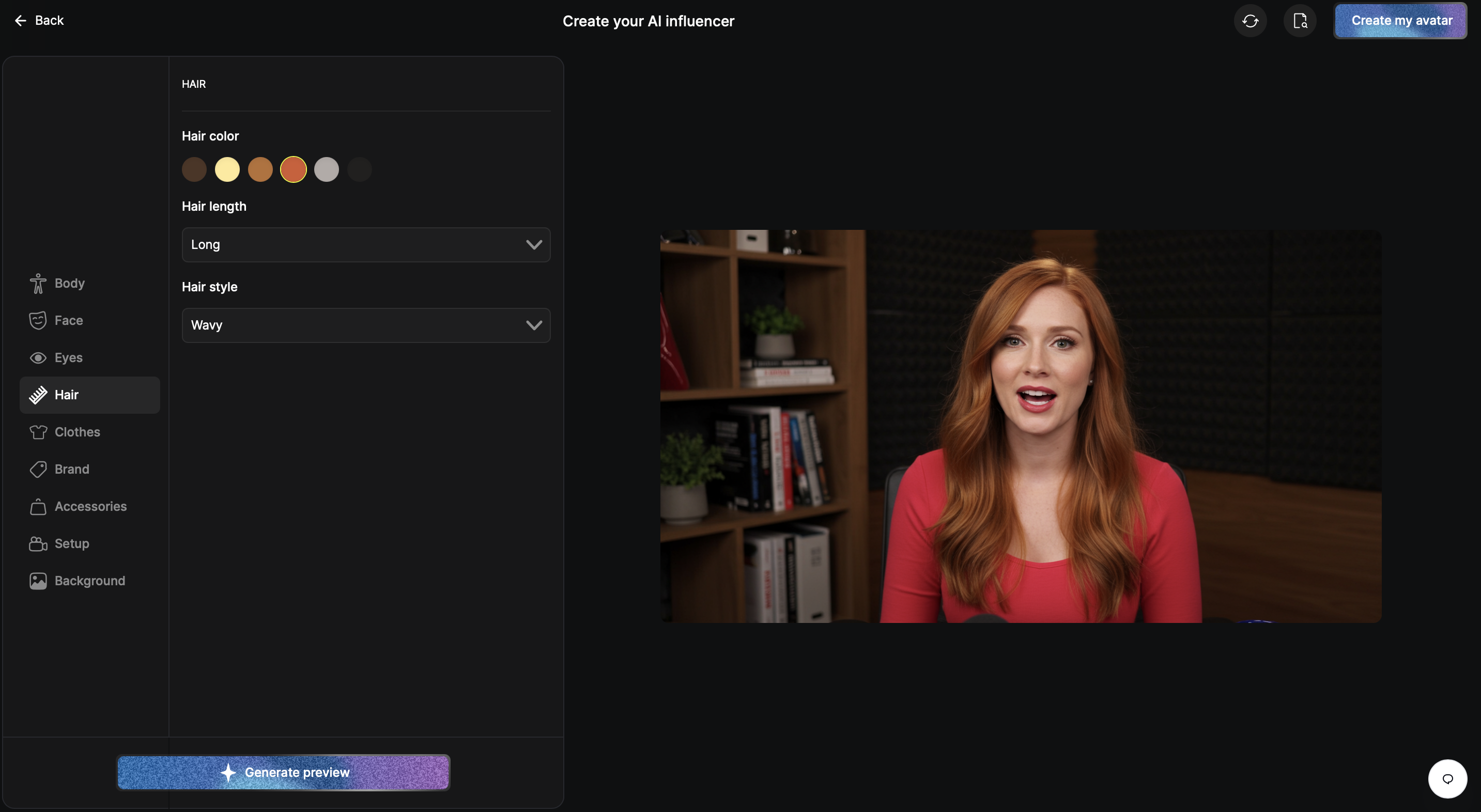
Argil also integrates automatic captions and editing features. While Seedance AI B-roll remains useful for custom visual assets, Argil can insert supporting visuals during rendering, reducing editing work even further.
For YouTube news creators, this combination creates a practical production stack:
- Seedance AI B-roll generates cinematic visual clips when specific imagery is needed
- Argil generates the on-camera commentary segments
- The YouTube news creator focuses on research and scripting
In this setup, the bottleneck moves away from production logistics and back toward the editorial work that defines the channel’s credibility.
Building a YouTube News Channel in 2026
For YouTube news creators aiming to publish at daily frequency, workflow efficiency matters as much as editorial quality.
Research systems such as RSS feeds and alert monitoring help identify breaking stories quickly. Script writing should prioritise clear arguments and source attribution. Credibility is the core asset of successful YouTube news creators, and viewers reward channels that cite reliable sources. Visual storytelling also improves retention, which is where Seedance AI B-roll adds production value.
However, consistency ultimately depends on how quickly videos can be produced after the script is written.
Tools like Argil remove the filming dependency that historically slowed down YouTube news creators, making it possible to publish commentary quickly without sacrificing the recognisable presence viewers expect.
Sign up today to get started – and enjoy your first 5 days completely free.