Best Brand Creator Programs 2026: Target Creator Program Ranked
The target creator program ranked against Walmart, Amazon, TikTok Shop, LTK, and ShopMy on payout, application bar, niche fit, and content load for 2026.

- Target creator program ranked against 5 rival brand programs for 2026
- Payout, application bar, niche fit, and content load scored for each
- Commission rates compared, from Target's 1 to 8% up to ShopMy's 30%
- Cadence beats commission rate for total creator earnings
- Decision framework matched to your niche and weekly output ceiling
- Argil keeps the daily posting cadence every program rewards
Best Brand Creator Programs 2026: Target Creator Program Ranked
The target creator program is one of 6 brand creator programs worth applying to in 2026, and picking the right one comes down to a metric most rankings ignore. Everyone obsesses over commission percentages. The creators actually earning real money pay attention to something else: how many videos they can ship per week without burning out.
This is a ranked comparison of the 6 brand and affiliate programs that matter for individual creators right now, scored the same way across the board. By the end you will know which one fits your niche and what it pays. The bigger takeaway is that the program you pick matters less than whether you can keep feeding it content.
How we ranked the brand creator programs
Four criteria, applied consistently to every program, no hidden weighting. Two are about the money side, payout structure and niche fit. Two are about the effort side, the application bar and the content load it takes to earn real money. Rates and rules shift constantly in this space, so verify the current terms on each official site before you apply.
One scope note. This list covers brand owned and brand adjacent affiliate programs aimed at individual creators. It does not cover influencer marketing agencies or platform native programs like the YouTube Partner Program, which work on different mechanics entirely.
Criterion 1: payout structure
This is commission depth across categories first, then the practical stuff around it: how often you get paid, what you have to clear before a payout, and whether the reporting tells you anything. A program can advertise a high headline rate and still pay slowly or exclude your best categories, so the structure matters as much as the number.
Criterion 2: application bar
How selective the program is comes down to the audience size or content history it expects and how long approval takes. Some programs publish a hard follower minimum. Most weigh niche fit and content quality at least as heavily, and a few give rejected applicants a fair second pass.
Criterion 3: niche fit
Which creator categories monetize best inside each program, and which niches are effectively locked out. A program that pays 20% means nothing if your content category sits in its zero commission bucket.
Criterion 4: content load required
How many posts per week the program effectively requires before payouts get meaningful. This is the under reported metric most rankings skip, and it drives the real decision more than any headline commission rate. A program you can feed daily will out earn a higher rate program you post to twice a month.
At a glance: the 6 programs side by side
Here is how the 6 programs score across the 4 criteria, rated 1 to 5, with the creator type each one suits best.
- Target creator program: payout 3, application bar 4, niche fit 4, content load 3. Best for lifestyle, home, parenting, and college creators with mass market appeal.
- Walmart Creator: payout 4, application bar 3, niche fit 3, content load 3. Best for value, family, and grocery focused creators.
- Amazon Influencer: payout 4, application bar 3, niche fit 5, content load 5. Best for tech, books, and broad lifestyle creators who ship volume.
- TikTok Shop Affiliate: payout 5, application bar 3, niche fit 3, content load 5. Best for daily TikTok creators in product heavy categories.
- LTK: payout 4, application bar 4, niche fit 3, content load 4. Best for established fashion, beauty, and lifestyle creators.
- ShopMy: payout 5, application bar 4, niche fit 3, content load 4. Best for aspirational fashion and beauty creators with a defined point of view.
Read the table against your own reality, not in the abstract. Pick by the intersection of 2 things: the niche your content actually lives in, and the honest ceiling on how many videos you can publish each week. A creator who can only post twice a week should weight payout depth and program selectivity. A creator who can post daily should chase the high cadence, high commission programs at the bottom of this list.
1. Target Creator Program
Target's creator setup pays approved creators on Target product sales generated through their content links and storefronts. As of 2026 the program runs across a few tracks rather than one application. Club Target, launched May 6, 2026, is the entry tier for everyday creators, built around weekly Instagram and TikTok challenges that reward you with gift cards and social features alongside commission opportunities. Target Ambassadors, powered by LTK, is the commission tier for established creators. The underlying affiliate program, Target Partners, runs through the Impact network. Verify the current entry point at partners.target.com before applying.
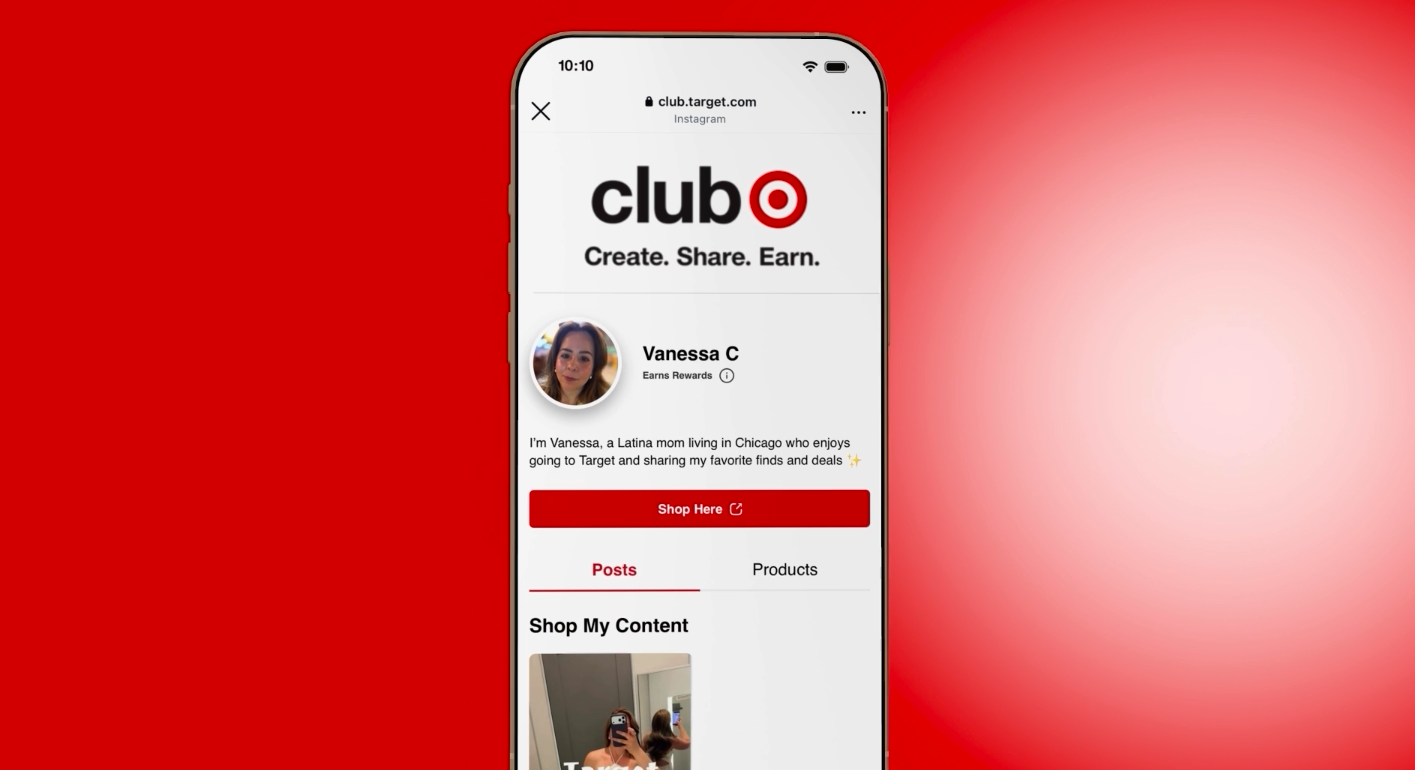
Image source: Clud, Target Creator Program
Payout, application, niche, cadence
Payout depth is moderate. The Target Partners affiliate side pays 1 to 8% depending on category, with home and outdoor living at the top of the range and health and beauty near the bottom. Groceries, electronics, and toys carry no commission. The cookie window is 7 days, which is generous next to Amazon's 24 hours. Club Target rewards skew toward gift cards and Target products rather than cash.
The application bar for Club Target is low, with a 500 follower minimum on Instagram or TikTok. The Ambassadors tier is selective and weighted toward proven LTK performance. Niche fit is strongest for home and family creators, and it reaches well into lifestyle, college creators, and the mass market beauty space too. It is weak for tech and B2B. Content load runs 3 to 5 short form posts per week to earn meaningfully, with seasonal storefront refreshes expected around back to school and the holidays.
Best for
This suits lifestyle and home creators producing weekly short form video for a mass market audience, with parenting and college creators close behind. If your content already reads as on brand for Target's core categories, this is a natural first program. Creators building a personal brand that drives real business find the Target halo opens doors to other deals.
2. Walmart Creator Program
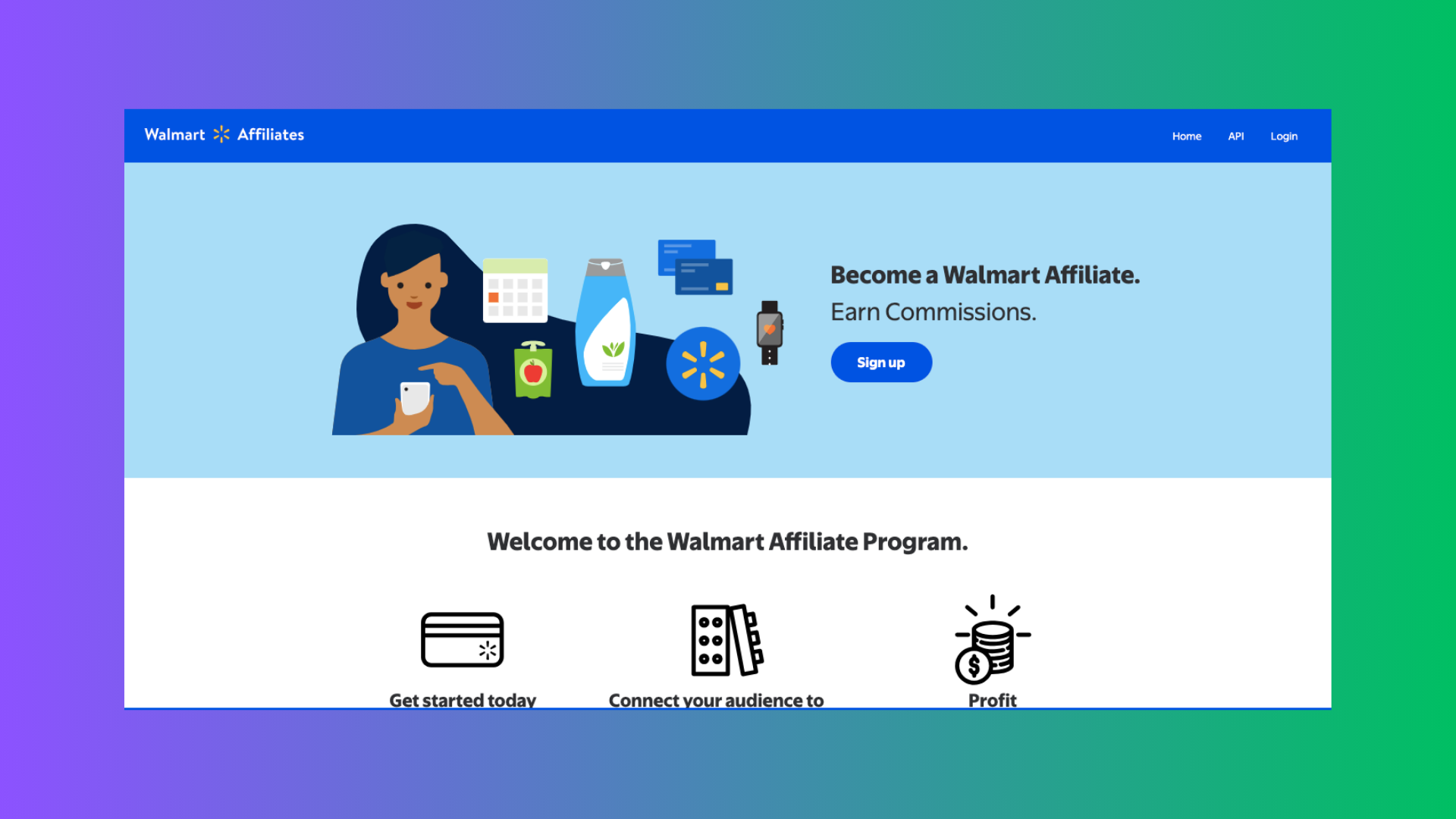
Walmart's first party creator program covers affiliate links across the full Walmart catalog, including grocery and value categories Target does not lean into. The audience skews value, family, and rural, so the creator base looks meaningfully different from Target's. If your content speaks to budget conscious households, Walmart often converts better than the more aspirational programs.
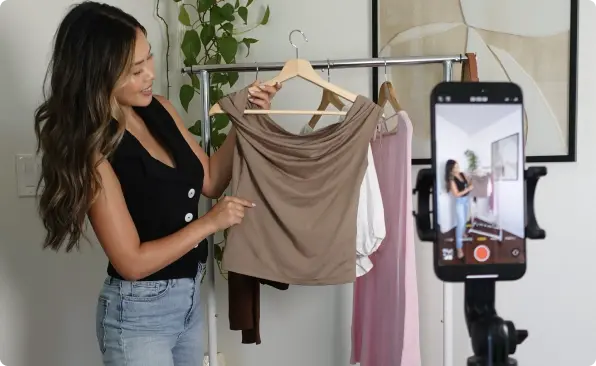
Walmart Creator is an affiliate program that lets creators earn commissions by sharing and recommending Walmart products through shoppable links and a personal storefront. Image source: Walmart Creator Program
Payout, application, niche, cadence
Payout can be strong. The Walmart Creator program advertises commissions up to 20%, with home decor, beauty, and apparel near the top and grocery and electronics much lower. The application asks for at least 1 active public social account and around 1,000 followers, though Walmart accepts creators of any size with the right niche. You must reside in the United States, and private profiles get rejected because they cannot be tracked. Most applicants hear back in 1 to 2 weeks.
Niche fit favors budget hauls and family meal planning, with large family and rural homestead creators doing well too. The grocery vertical is increasingly crowded. Content load mirrors Target at 3 to 5 posts per week, and grocery hauls in particular require frequent reshoots as catalog and pricing turn over.
Best for
This is built for value oriented family creators, the grocery and meal prep channels especially, and the large family accounts that post constantly. Walmart rewards volume in fast turning categories, which is exactly where a steady weekly cadence pays off.
3. Amazon Influencer Program
Amazon's program is the most mature of the brand creator programs, built around personal storefronts, on platform video reviews, and Amazon Live. Its standout feature is that it pays commission on creator video reviews posted directly on product pages, not just on external content links. Those reviews compound, earning for months after you post them.
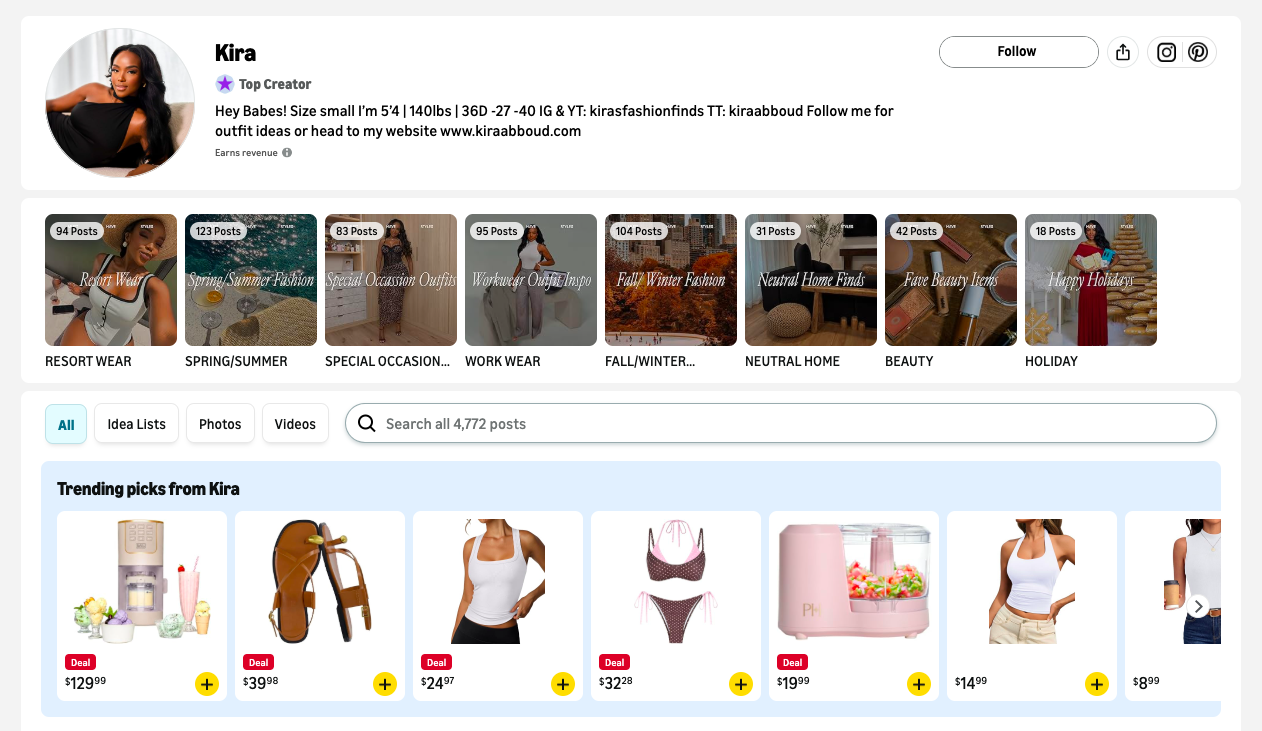
Amazon’s creator program is the most established, centered on personal storefronts, video reviews, and live shopping. Image source: Kira's Amazon Page
Payout, application, niche, cadence
Payout is flexible and broad. Commission runs 1 to 20% by category, with games at the top and grocery near the bottom, layered on top of a bounty model where sign ups for services like Prime and Audible pay fixed amounts from $0.25 up to $25. The catch is Amazon's 24 hour cookie, the shortest on this list. Application looks at engagement, not just size, and around 1,000 followers improves your odds, though Instagram applicants often need closer to 5,000. Accounts get culled if engagement metrics drop.
Niche fit is the widest of the 6 given Amazon's catalog breadth, with tech reviewers and book creators doing disproportionately well. Content load is the heaviest paired with TikTok Shop. On platform review videos compound, so creators who batch 50 plus reviews build meaningful passive income. This is a volume game.
Best for
Amazon works for tech reviewers and book creators, broad lifestyle creators too, plus anyone willing to ship serious volume on its review video format. The program rewards creators who treat it like a content factory, which is why making video content without being on camera matters so much for sustaining the output.
4. TikTok Shop Affiliate Program
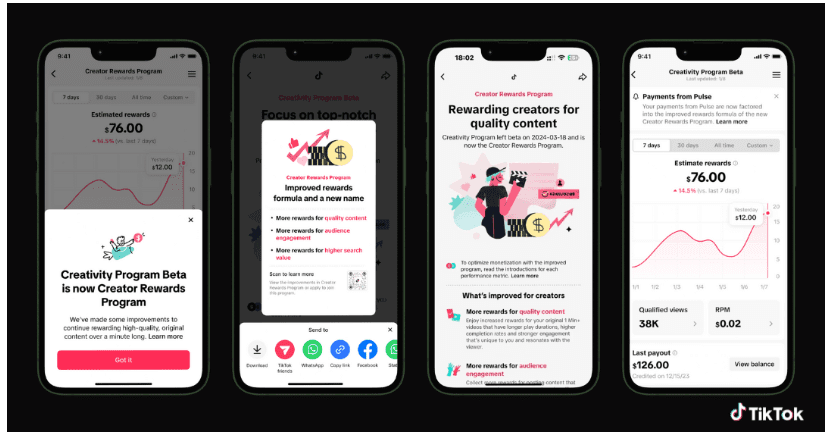
TikTok's native affiliate program ties directly to TikTok Shop listings. Creators tag products in videos and live streams and earn a commission the brand seller sets. This is where impulse purchase commerce is moving, and per item commissions often run higher than retailer programs because the brand is paying for attention and conversion at once.
Payout, application, niche, cadence
Payout is the strongest headline on the list. Open collaboration typically pays 10 to 15%, with invite only targeted deals reaching 18 to 50%, paid through TikTok's wallet. The application bar is a 5,000 follower minimum in the US, lower in some regions, plus content history on the platform. New creators in the 1,000 to 5,000 follower band enter a pilot that caps them at 3 shoppable videos per day and 3 shoppable live sessions per week.
Niche fit favors beauty and fashion, with gadgets and home goods close behind and viral consumables right alongside them. It struggles with considered purchases over a few hundred dollars. Content load is the heaviest on the list, full stop. TikTok Shop rewards creators posting daily, often multiple times a day, plus live streams. The cadence requirement filters out part time creators on its own.
Best for
Creators already publishing daily on TikTok in product heavy categories. If you cannot sustain near daily output, the platform's algorithm and commission model will both work against you.
5. LTK (LikeToKnowIt)
LTK is a multi brand affiliate platform with its own shopping app. You get approved once, then earn across thousands of brand partners through a single dashboard. This is a creator network rather than one brand program, so the trade off is breadth across many retailers versus depth on any single one. Target's Ambassadors tier now runs through LTK, which makes it doubly relevant.
Payout, application, niche, cadence
Payout aggregates commission from every brand you link. Rates run 10 to 25% and reach 30% in some categories, with fashion, shoes, and accessories at the higher end. Reporting is centralized and payouts are regular. The application bar asks for an engaged, growing audience of at least 5,000 on a public profile, plus a track record of posting at least twice a week tagging brands and products.
Niche fit covers fashion and beauty best, and home, travel and parenting creators do fine too, while tech and B2B stay underpowered. Content load expects multi platform daily output. Active LTK creators publish on Instagram Reels and TikTok while keeping the LTK app updated, which multiplies the production demand.
Best for
Established fashion, beauty, and lifestyle creators who want one revenue dashboard across many brands. LTK rewards creators who already operate at scale, and increasingly serves as the commission engine behind Target's own ambassador tier.
6. ShopMy
ShopMy is a newer affiliate platform built around creator commission rates negotiated per brand, with a cleaner storefront than LTK. Mid tier and rising creators have grown faster on it through 2025 and 2026 because brand rates are negotiated rather than flat, and an Opportunities feature surfaces paid partnerships on top of commission.
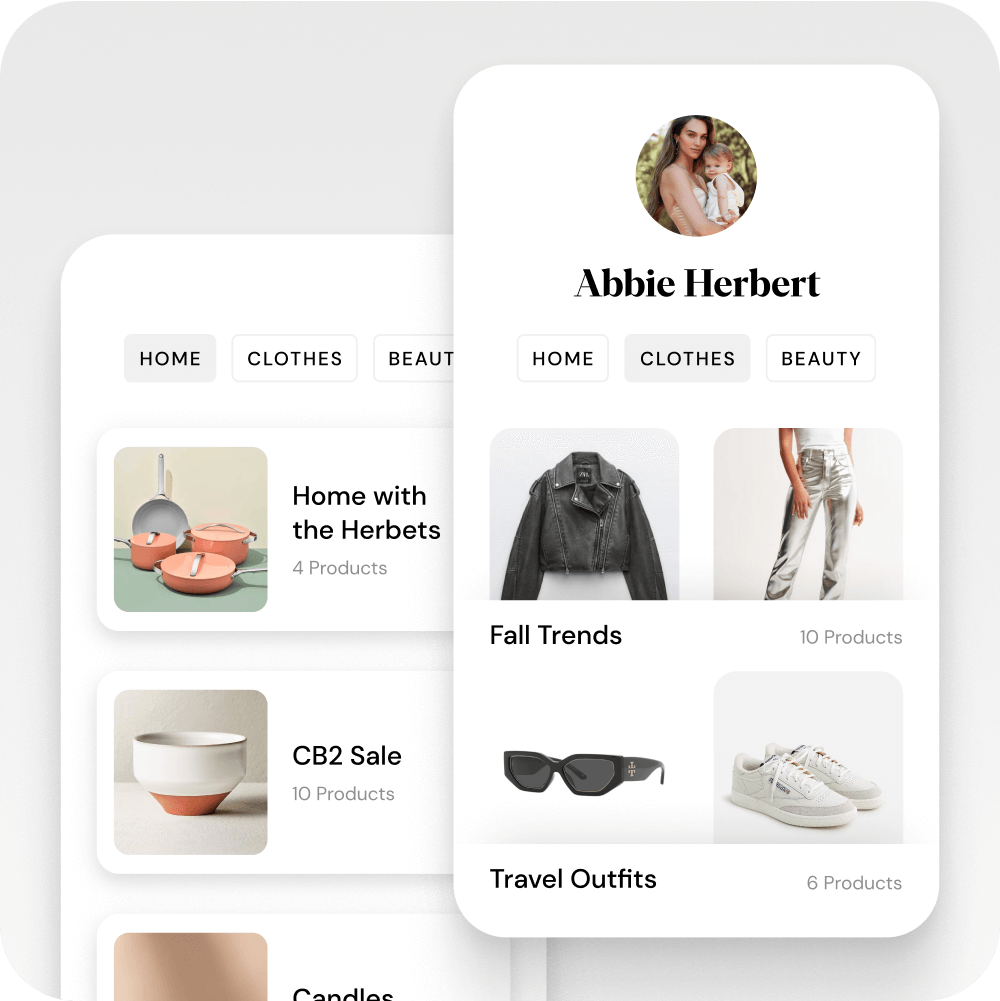
ShopMy is a newer affiliate platform with brand-negotiated commissions and a cleaner storefront than LTK. Image source: ShopMy
Payout, application, niche, cadence
Payout often runs above standard retailer rates, 10 to 30% on sales you drive, with brand bonuses available. Payments land weekly via PayPal or Stripe, the fastest cadence on this list. The application is moderately selective, with editorial review favoring creators who have a clear point of view and aesthetic. Niche fit centers on fashion and beauty, with wellness and home design covered well. It is less suited to mass market value content.
Content load expects multi platform daily output, with strong incentive to push ShopMy storefront links in bios and link in bio stacks. The fast weekly payout rewards creators who keep their storefronts active and their content flowing.
Best for
This fits aspirational fashion and beauty creators, and home creators, who bring a defined editorial point of view and consistent multi platform output. ShopMy's negotiated rates reward the creators who show up most often. This is the same pattern that makes AI avatar services for influencer content so useful for keeping a polished feed running.
The operational truth: every program on this list rewards cadence
Run through all 6 honestly and one thing becomes obvious. Commission rates and application bars matter far less than how many videos you can ship per week. The creators earning real income across these programs all share the same habit of publishing regularly on multiple platforms for months without stopping.
The math is simple and most rankings dodge it. A higher commission rate at low post volume earns less than a lower commission rate at high volume. Cadence beats rate almost every time. A creator on Target's modest affiliate percentage posting 5 times a week will out earn a creator on TikTok Shop's higher rate who posts twice a month.
The numbers back this up. A Buffer study of more than 100,000 users found that creators who posted in 20 or more weeks of a 26 week window saw around 450% more engagement per post than creators who posted in 4 weeks or fewer. Consistency, not occasional viral spikes, is what compounds into program income.
Here is the bottleneck nobody wants to say out loud. Producing and posting 3 to 5 videos a day on 2 platforms, then actually engaging with the comments, is a full time job most solo creators cannot sustain. The application is the easy part. The grind that earns the commission is what breaks people.
How AI video tools change the cadence equation
This is where Argil enters the decision. Argil is an AI video tool that clones your on camera self from a short training video, then generates new short form videos from typed scripts. It builds captions, b roll, and transitions into the same workflow and exports in platform native formats, so a finished clip comes out the other end rather than raw footage you still have to edit.
For an approved creator on any of these 6 programs, the use case is direct. You stay the face of your content while Argil removes the production bottleneck that kills most creators by month 2. Record once, generate scripts weekly, publish daily. A couple of hours of recording can cover several weeks of output, which makes the 3 to 5 posts per week cadence these programs reward actually sustainable.
Argil offers a 5 day free trial, with the Classic plan at $39 per month, Pro at $149, and Scale at $499 for higher volume creators. Against the cost of a freelance editor, which runs hundreds to thousands per month, the math favors the tool for any creator publishing at program scale. If you are building out your stack, our guide to branding an avatar that actually builds an audience covers how to keep the clone on brand.
Where AI video does not replace original filming
Be honest about the limits. AI generated clones are weaker for unboxing and demo led content, and try on hauls fall in the same bucket. Those moments need real filming because the audience expects to see the actual product in your actual hands. No clone fixes that.
The pattern the highest output creators run in 2026 is hybrid. Film the moments that require physical product handling, then generate the talking head and the link in bio explainer content with AI. This is how creators hit daily output across programs like Amazon and TikTok Shop without spending every waking hour behind a camera. Real estate creators do the same, as our breakdown of how agents use AI for viral UGC video shows.
Decision framework: pick the right program for your niche and cadence ceiling
Match your profile to the program, then layer in cadence support so you can actually feed it.
- Lifestyle, home, parenting, or college creator with mass market appeal: Target creator program first, LTK as a second layer.
- Value, family, or grocery creator: Walmart Creator first, Amazon Influencer as a second layer.
- Tech, gadgets, books, or broad lifestyle creator willing to ship volume: Amazon Influencer first, TikTok Shop second.
- Viral consumable, beauty, or gadget creator already on TikTok: TikTok Shop Affiliate first, ShopMy second once your editorial point of view is sharp.
- Aspirational fashion, beauty, or home creator with strong aesthetic: ShopMy first, LTK second, Target as a scale layer if mass appeal fits.
For every profile above, layer a tool like Argil into the workflow so daily output stays sustainable. Without cadence support, even the strongest program pick underperforms, because the program only pays while you keep publishing. Pick the right brand creator program, then build a system that lets you ship content daily. That is what turns an approved application into real income.
Frequently asked questions
Which brand creator program pays the most?
No single program wins on headline rate. ShopMy and TikTok Shop tend to carry the highest per item commissions, while Amazon and Target produce steadier income at scale thanks to catalog breadth. Total earnings track your posting cadence more than the commission percentage.
Can you join multiple brand creator programs at the same time?
Yes. None of the 6 programs are exclusive. Most professional creators run 3 to 5 concurrently and route each product through whichever program pays best in that category.
What follower count do brand creator programs require?
Minimums vary widely. TikTok Shop sets the most explicit threshold at 5,000 in the US, LTK asks for 5,000, and Walmart and Amazon suggest around 1,000. Target's Club Target tier opens at 500. Most programs weigh niche fit and content quality at least as heavily as raw audience size, so sharp positioning gets smaller creators accepted regularly.
Is the Target Creator Program better than LTK?
They solve different problems, and they now overlap. Target pays deeper commission on Target only sales with full storefront control inside Target's ecosystem, while LTK aggregates many brands at lower depth per brand. Target's Ambassadors tier actually runs through LTK, so established creators often end up using both.
How many videos do creators in these programs post per week?
3 to 5 short form videos per week is the floor for meaningful income across Target, Walmart, LTK, and ShopMy. TikTok Shop and Amazon's review program reward higher volume, with daily output common among top earners.
Can AI generated videos be used in brand creator programs?
Yes, when the creator is the face of the cloned avatar and the content is honestly disclosed. Most programs require the creator to genuinely represent the product rather than hide behind a fictional avatar identity. Tools like Argil fit this constraint because the clone is of the actual creator, not a stranger.
Related Articles
- Side Hustles for College Students: How to Use AI Video to Make Money
- Best AI Avatar Services for UGC Product Ads in 2026
- What's Happening in the Creator Economy: Key Shifts and Tools
Target creator program comparison and the brand creator programs that pay creators most in 2026