
Seedance AI Gaming for In-Game UGC Creators: What It Can Do and Where It Falls Short in 2026
What Is Seedance AI Gaming?
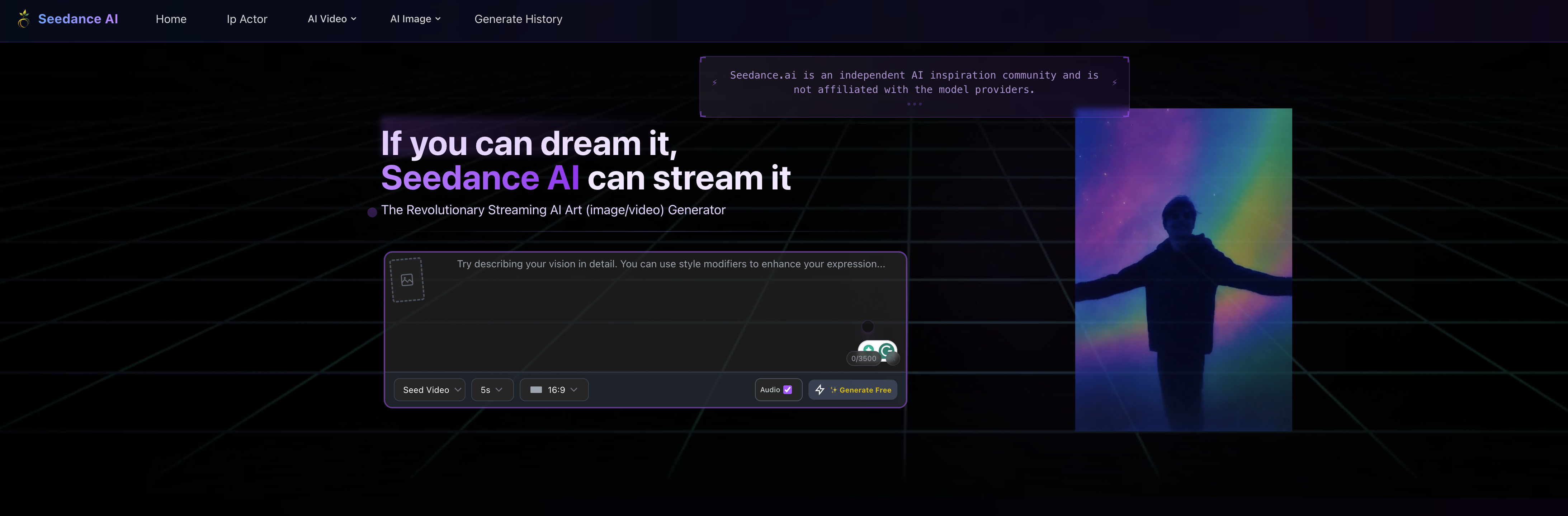
The gaming creator economy continues to expand rapidly, and with it comes new tools that promise to simplify how gaming content is filmed and edited. One of the most discussed platforms among creators in 2026 is Seedance AI.
Interest in Seedance AI gaming has spiked in recent months because the tool’s 2.0 model is still fairly new, and many people find its striking, cinematic visuals impressive.
Like other similar AI video tools like HeyGen and Synthesia, Seedance AI essentially generates video clips from text prompts and images. For creators producing gaming content, it presents a potential shortcut to polished, engaging videos that increase subscribers and bring in revenue from ads or brand deals.
At the same time, the rise of in-game UGC creator programs has changed what gaming studios expect from content. These programs rely heavily on creators who can deliver authentic reactions, commentary and personal engagement with a game.
With expectations for better, more consistent content on the rise, many creators are wondering whether Seedance AI gaming could replace parts of the production process for an in-game UGC creator, or whether it only actually solves a small piece of the workflow.
The answer lies in understanding what Seedance actually does well, and what it was never designed to do – which we’ll explore in this article.
Why Are In-Game UGC Creators Interested in Seedance?

When Seedance first appeared publicly, gaming creators quickly noticed its potential. The ability to generate cinematic video clips from prompts seemed immediately useful for creators producing gaming content.
For an in-game UGC creator, visual storytelling is a big part of the job. Game launch campaigns, early-access previews and promotional collaborations often require visual assets that go beyond raw gameplay footage, which is why Seedance AI gaming started attracting attention.
In-game UGC creators regularly need clips such as:
- Cinematic environment shots
- Atmospheric intro sequences
- Stylised montage visuals
- Background footage for commentary
Traditionally, producing those visuals required gameplay capture tools, editing software or motion graphics skills. With Seedance AI gaming, creators can generate these visuals directly from written prompts.
The image-to-video feature is particularly useful for an in-game UGC creator working with visually distinctive games. As a creator, you can simply describe a scene inspired by the game’s aesthetic and generate a short clip that reflects the same atmosphere.
Seedance 2.0 also added audio generation capabilities in 2026, which made Seedance AI gaming even more appealing. Now, if you’re an UGC creator, you can generate ambient sound alongside visual clips, creating more immersive promotional segments.
Another advantage is the platform’s accessibility. Because Seedance AI gaming does not require access to the game itself, an in-game UGC creator can create visual content even before receiving full gameplay access from a studio. This flexibility explains why the gaming UGC community started exploring Seedance so quickly.
What Is In-Game UGC Creator Content?
To understand the role of tools like Seedance AI gaming, it helps to examine what gaming UGC content is actually designed to achieve.
The value of an in-game UGC creator is all about authenticity and building a connection to your audience. Gaming studios commission this content because audiences trust the reactions and opinions of real players more than traditional advertising.
A typical in-game UGC creator video includes gameplay footage, commentary and, most importantly, the creator’s own reactions. That reaction often appears through face-cam overlays or direct-to-camera segments.
In fact, studio briefs for an in-game UGC creator almost always require the creator’s face to appear on screen. This requirement exists for a reason – viewers interpret a human face as a social signal. When an in-game UGC creator reacts visibly to gameplay, audiences perceive the recommendation as genuine rather than promotional.
Mobile game publishers often structure their creator programs around this authenticity model. They actively recruit micro-creators whose in-game UGC creator videos include face-cam reactions because those videos convert better than faceless gameplay footage.
The format also affects viewer retention. Videos from an in-game UGC creator that feature a face within the first few seconds keep viewers watching longer than videos that open with gameplay or visuals alone.
This is where the difference between Seedance AI gaming and an in-game UGC creator workflow becomes clear. The main limitation of Seedance is that it can generate nice looking visuals, but it can’t generate an image or video of the creator themselves.

Seedance AI and the Face-Cam Problem
If you’re a professional in-game UGC creator, you’ll know that in most cases, the face-cam requirement for gaming content is non-negotiable.
This isn’t necessarily a problem in itself, but things can start to get tricky when you’re managing multiple campaigns or creating videos with tight turnaround times. Studio campaigns frequently require videos to be delivered within 48-72 hours – during game launches, this turnaround window can be even shorter.
As an in-game UGC creator, this means you’ll need to film commentary, reactions and explanations quickly while still maintaining authentic energy on camera – which is the part that produces the biggest bottleneck.
Even if Seedance AI gaming handles every B-roll segment, you’ll still need to:
- Prepare a filming setup
- Record multiple takes
- Ensure the performance feels authentic
- Film hours of gameplay
Batch filming can help somewhat, but it rarely works well for reactive content. As an in-game UGC creator, you’ll usually need to respond to new updates, gameplay discoveries and community discussions in real time.
That is where the next generation of tools like Argil come in.
How Argil Solves the Face-Cam Bottleneck
Argil addresses the one production challenge that Seedance AI gaming leaves untouched: on-camera presence.
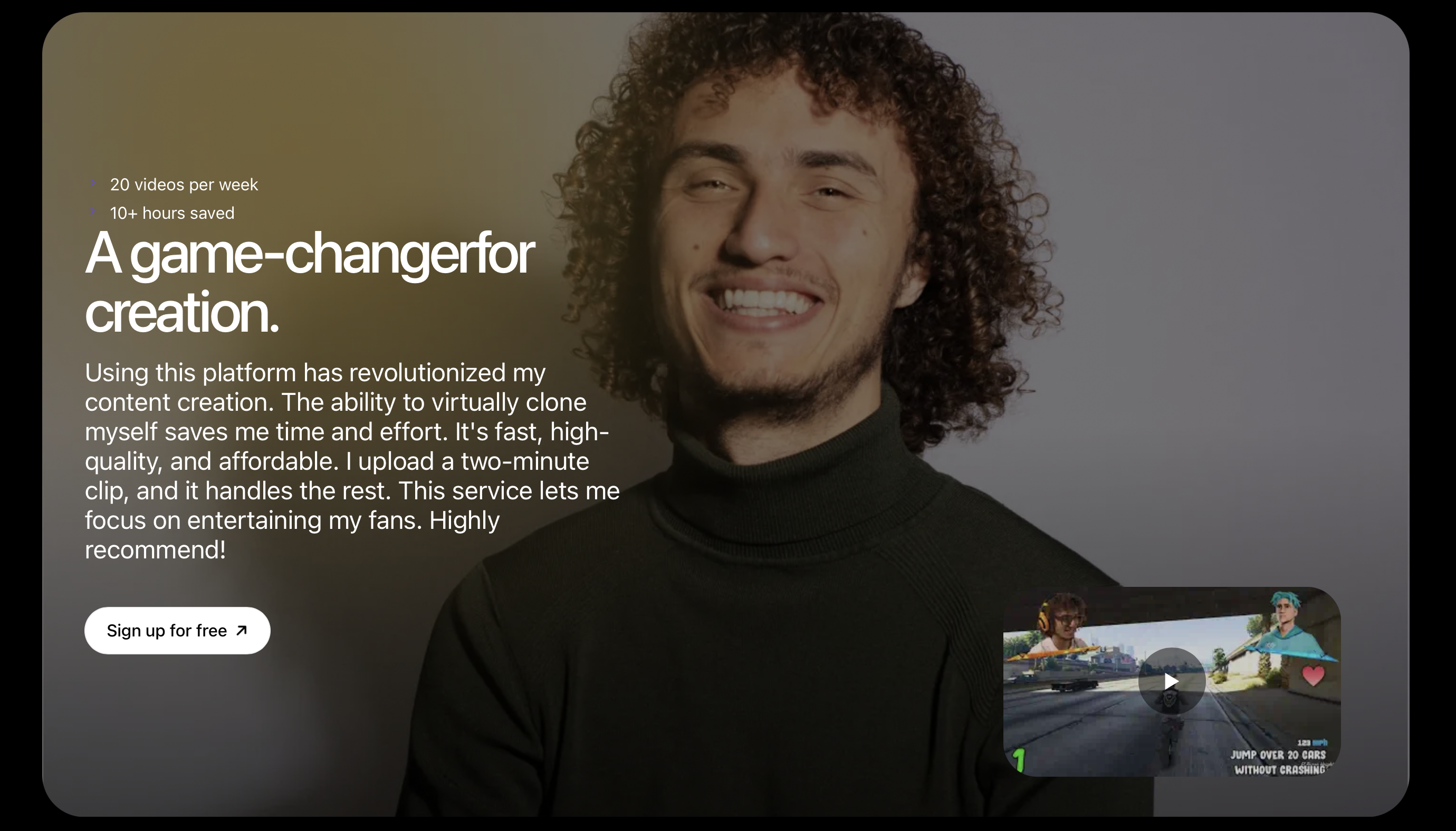
Instead of generating visuals, Argil generates face-cam commentary videos of the creator themselves. An in-game UGC creator records a short reference clip once, allowing the platform to train a digital clone of their face, voice and speaking style.
After that, scripts can be converted directly into commentary videos featuring you, the creator.
A typical production process using both tools might look like this:
- You write commentary based on the studio brief.
- Argil generates the face-cam segment.
- Gameplay capture provides core game footage.
- Seedance AI gaming generates cinematic environment clips.
- The elements are combined during editing.
This hybrid workflow means you (the in-game UGC creator) can focus on scripting and creative direction rather than spending hours recording multiple takes.
Argil also supports variations of the same script. This means you can generate multiple versions of a video with different hooks or reactions, providing studios with more content options without increasing filming time.
Another advantage is multilingual output. As an in-game UGC creator, you can produce Spanish, Portuguese or French versions of the same commentary using their cloned voice.
The ideal scenario is a production stack where Seedance AI gaming handles cinematic visuals and Argil handles creator presence, making the whole process much smoother and faster overall.
Sign up today to get started with Argil, and create your very own digital clone to appear in your UGC gaming content. You can try all of our tools with no commitment required, using our five-day free trial.