
Seedance vs Every Other AI Dance Generator in 2026: What Each Tool Actually Produces Great Videos?
What Is An AI Dance Generator?
If you're evaluating Seedance AI dancers against other AI dance generator tools, it’s important to know what each of these platforms actually do and whether they can solve your content challenges in 2026.
The AI dance and motion video space has expanded quickly over the past few years. Artificial intelligence tools can now generate realistic choreography, full-body movement and performance sequences. As a result, fitness creators, dance instructors and performance artists are all exploring whether these tools can reduce production time and help them create content more efficiently.
This article breaks down the AI dance generator landscape, taking a look at what each tool produces, where quality holds up and where limitations still exist. Most importantly, it addresses the core decision: do you need motion generation or do you need presence generation or you’re a dance or fitness creator looking to explore AI tools?
Seedance AI Dancers: What Are They and What Do They Do?
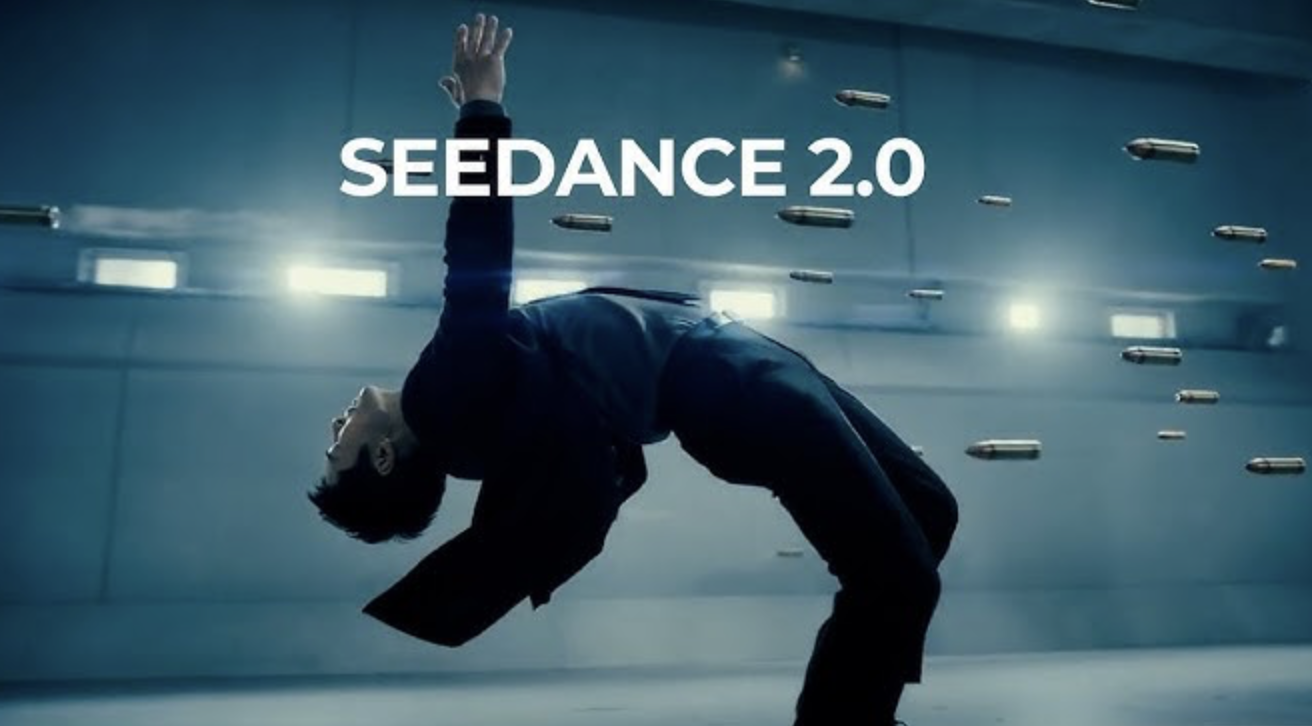
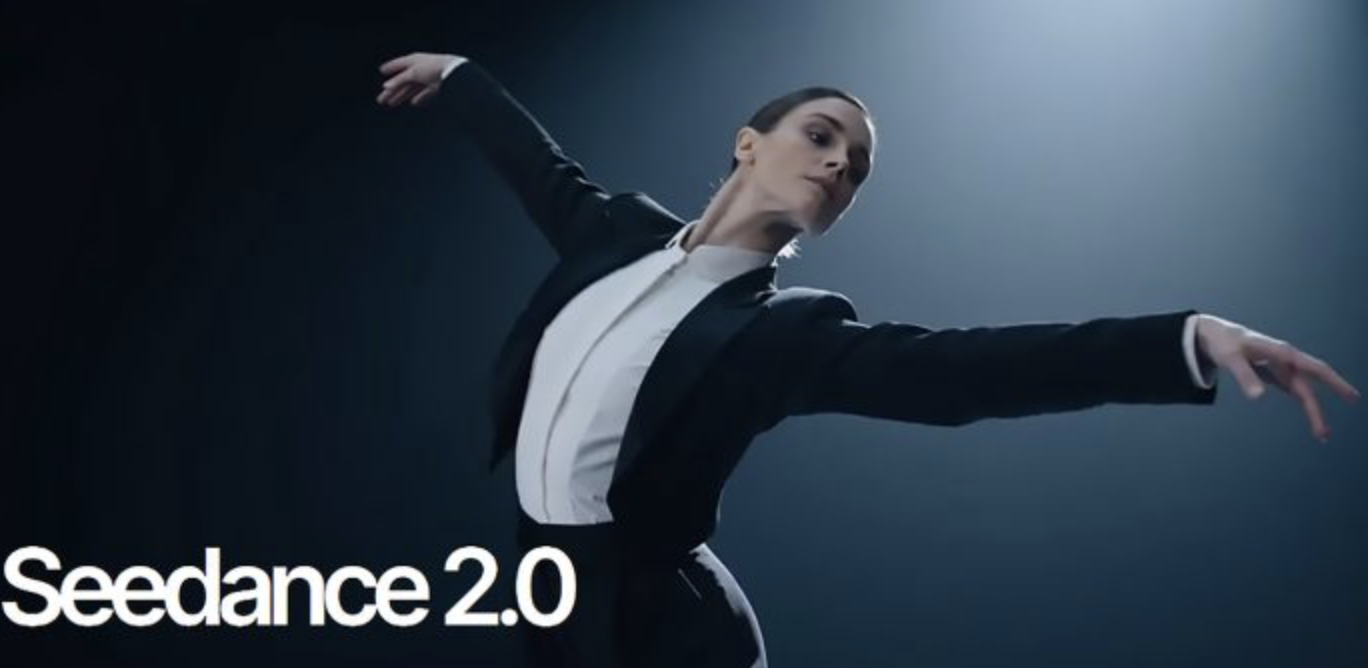
Seedance uses an image-to-video model to generate dance and choreography clips from a still image. Developed by ByteDance’s research team, the platform has quickly gained traction for its smooth motion and polished outputs.
So how does it work? Well, you upload a reference image, and Seedance generates a video of a figure with your likeness performing dance movements. The choreography can be complex, and visually, the results are much stronger than earlier AI motion tools.
The main issue is that Seedance generates a character inspired by your reference image, not a consistent version of you. Across multiple outputs, your face, proportions and movement style will vary. This can be really limiting for creators trying to build a personal brand through recognition. A Seedance-generated clip won’t reliably replicate your identity, and it could damage trust with your audience if it feels overly fake.
Seedance is great for concept or mood-based visuals, particularly for background or supporting footage for video games or music videos, but it doesn’t replace personality-led content where your audience expects to see you.
How Do Other AI Dance Generators Compare?
The AI dance generator category includes several different approaches, each producing very different outputs.
Motion Capture Tools
Tools like DeepMotion and Plask take real footage and transfer movement onto 3D models. These are useful for animation workflows, but the results are stylized rather than photorealistic.
Text-to-Dance Generators
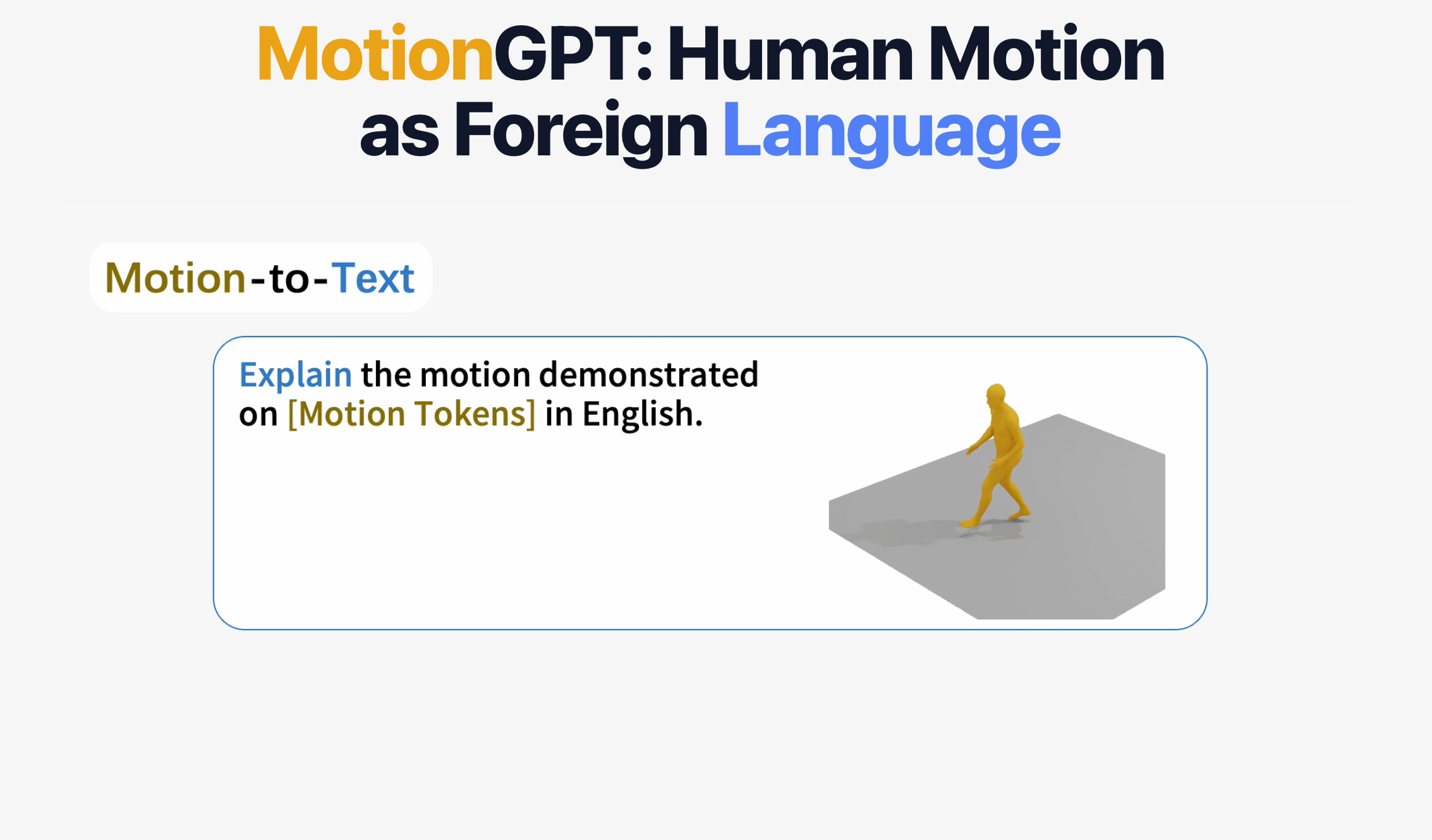
Alternatives like Dance Diffusion and MotionGPT generate choreography from prompts. The output is often abstract or animation-based, not realistic video of a person.
Full Body Generation Tools
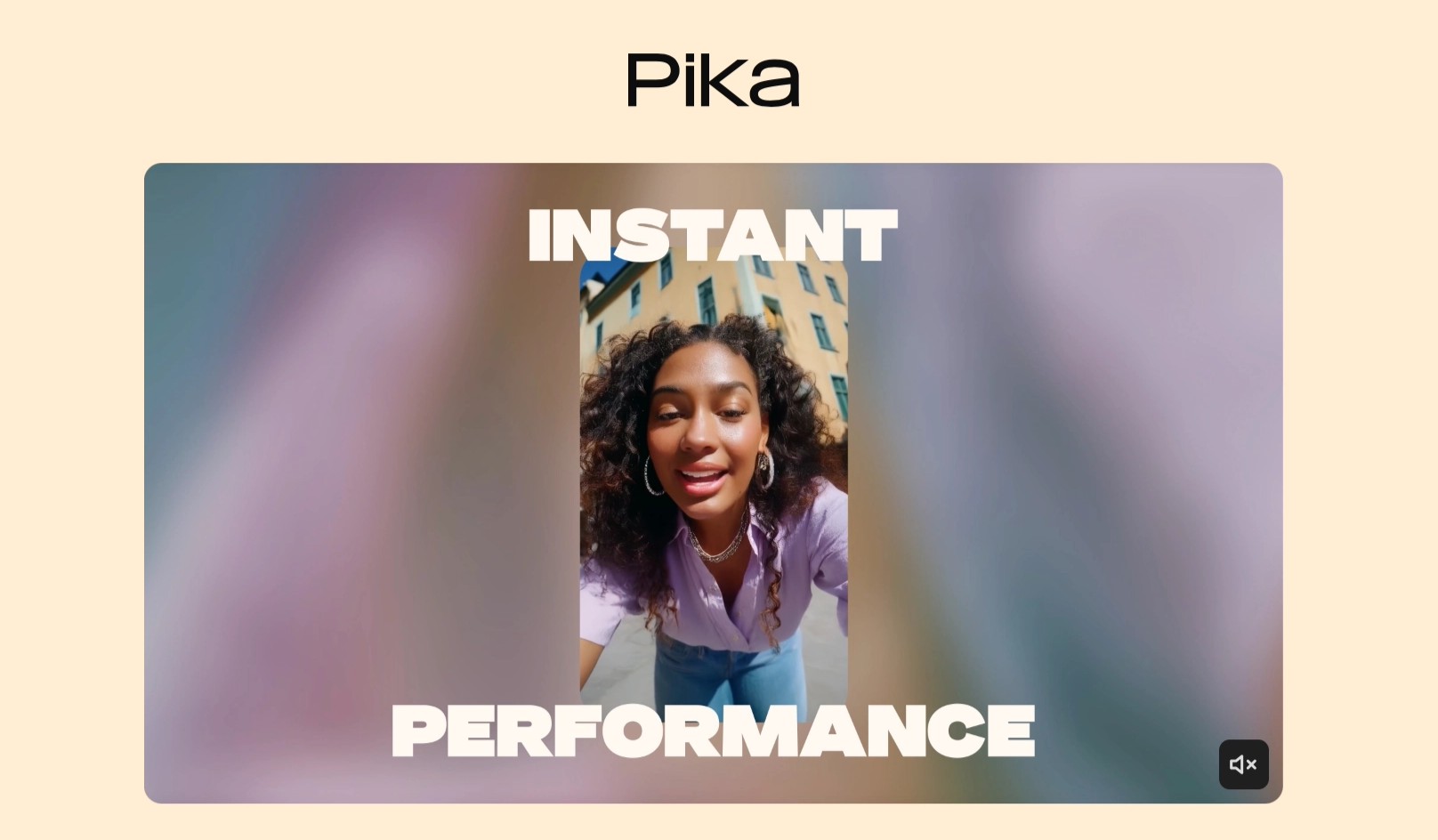
Full-body video generators like Gen-2 and Pika can create dance scenes from text, but they can’t produce a consistent identity. Each output features a different-looking person.
AI Character Animation Assistants
Tools like ****Move.ai focus on character animation, helping games companies and filmmakers speed up production.
Across all categories, the pattern is consistent: these tools generate someone dancing, but it’s not you. If your content depends on your identity – as is the case with most serious content creators and influencers – these tools don’t fully solve the problem.
AI dance generators have improved significantly in visual quality. Motion is smooth, choreography is believable and outputs can look unbelievably polished and professional. The problem is, quality and usability aren’t the same thing.
There’s also a compliance layer. AI-generated video featuring a person’s likeness falls under disclosure requirements on platforms like TikTok, Instagram and YouTube. This can negatively affect your reach and performance.
Do These Tools Actually Work for Dance and Fitness Creators?
Most creators searching for AI dance generators are trying to solve the same problem: they want to create more videos so they can grow, but they don’t have the time to constantly film new routines.
The assumption is that AI dance tools solve this by removing filming. This is correct in theory, but they also remove your identity from the content.
In reality, dance and fitness creators produce two types of content:
- Performance content (full-body movement, choreography)
- Talking-head content (teaching, explaining, connecting)
AI dance generators attempt to address the first but struggle due to identity limitations. They don’t address the second at all.
Tutorials, breakdowns, form corrections, Q&As and motivational content all require your face and voice. These videos build trust, drive engagement and convert audiences into clients.
How Argil is Different from Other AI Dance Generators
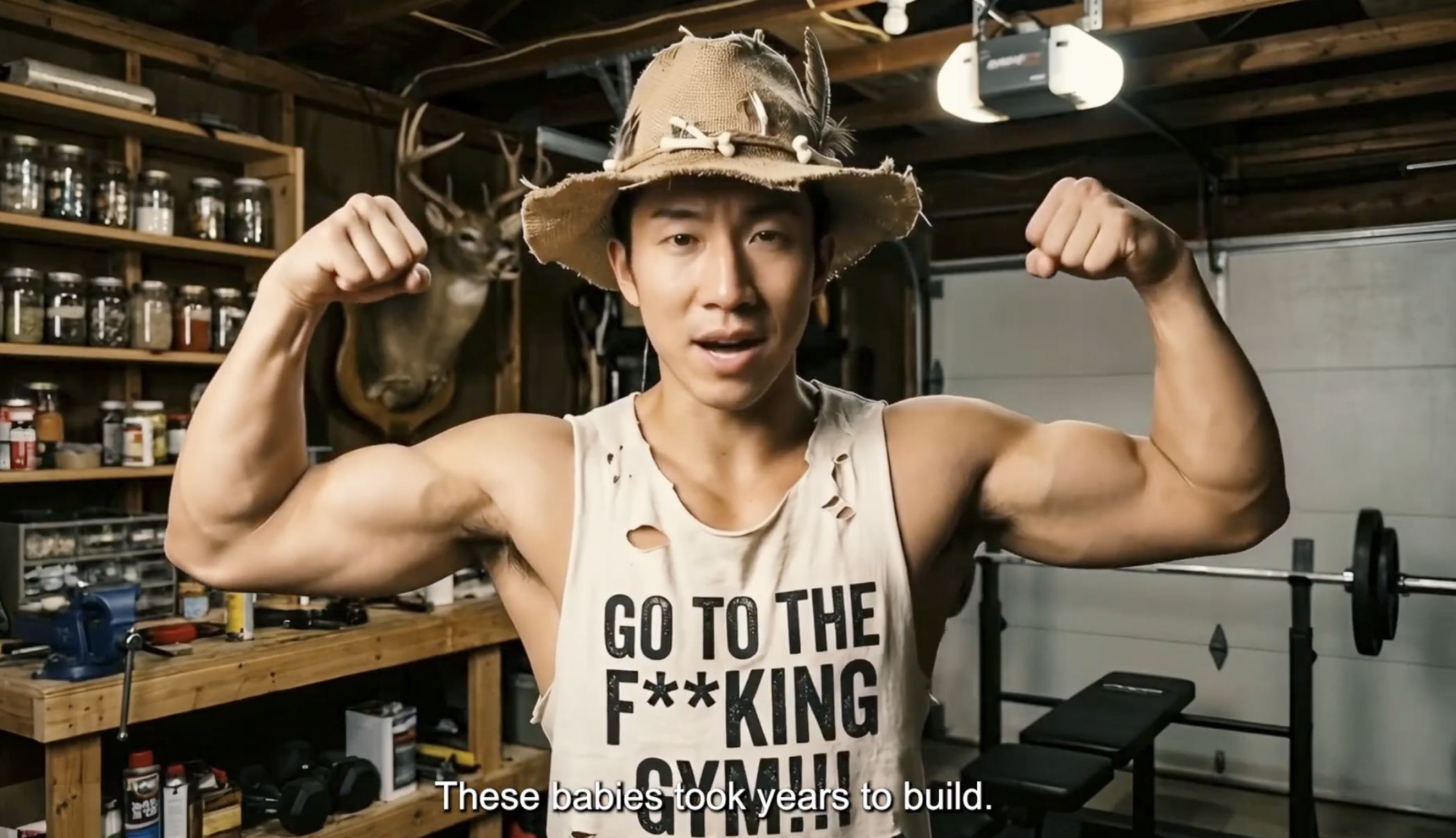
Argil doesn’t compete with most AI dance generators because it solves a completely different problem. Instead of generating choreography, it generates you speaking, moving, dancing or working out on camera.
All you need to do is record a short video of yourself speaking, and Argil will train a model on your face and voice, generating videos using simple text prompts or scripts.
For dance and fitness creators, this unlocks scalable production of tutorials and breakdowns, coaching content, motivational videos and FAQs. Unlike Seedance or other generators, Argil isn’t creating a generic performer – it’s replicating you using a real video filmed in selfie mode on your phone.
Motion Generation vs Presence Generation: What’s the Difference and Why Does It Matter?
The biggest mistake creators make in this space is confusing motion generation with presence generation.
Motion generation tools create dance, choreography, and movement, but the person in the video isn’t you.
Presence generation tools create videos where you appear. It’s your face, your voice, your delivery.
Most creators need both, but not equally.
For most dance and fitness brands:
- Performance content = 20%
- Talking-head content = 80%
If you invest in motion tools first, you’re solving the smaller part of your content needs.
Presence tools, on the other hand, address the bulk of what drives engagement and growth. Tutorials, explanations and personal insights consistently outperform pure performance content because they build connection and trust.
Which Tool Belongs in Your Stack?
Each of these tools has a place, but only when used correctly. Seedance and similar tools are useful for visual concepts, supporting footage and choreography. Motion capture tools like DeepMotion and Plask can be valuable for animation workflows, but for creators building a personal brand, these tools don’t solve the main production challenge.
The main bottleneck is producing consistent, face-to-camera content without spending hours filming. And that’s exactly where Argil fits. It’s designed for creators who need to show up regularly, maintain their identity, and scale content production efficiently. It doesn’t replace dance content but it enables the majority of content that actually drives results.
Platform rules are becoming stricter. Disclosure requirements are increasing, and enforcement is improving. Tools built on your own consented data are more sustainable long-term than tools generating characters from reference images.
So the decision is actually quite simple. If your content depends on choreography and movement, then AI dance generators can help, within limits.
But if your content depends on teaching, personality and connection, you need a presence generator like Argil.
Most creators need both, but their content is heavily weighted towards showing up as themselves – the presence portion. This is why tools like Argil are becoming part of the modern content creator stack. Sign up today to get started.