
Seedance Face Swap vs Free Video Face Swap Tools: What Each Does and Which One Is Actually Useful in 2026
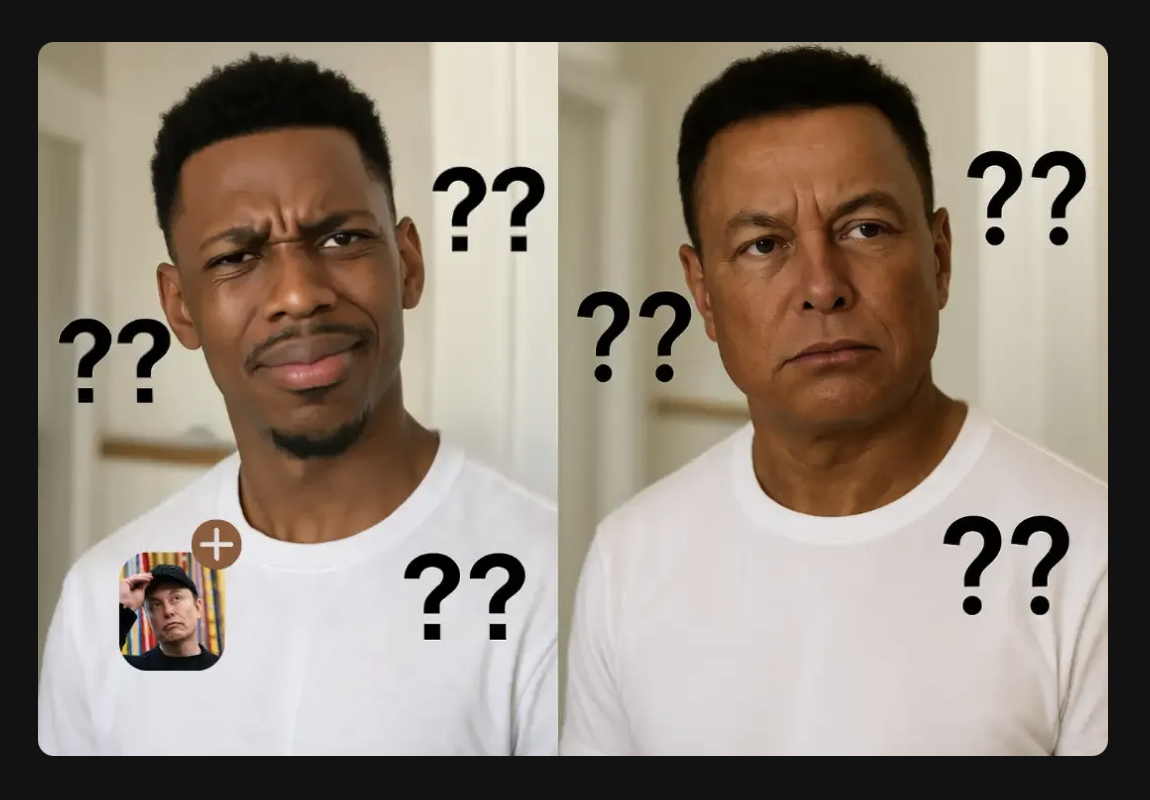
Why Seedance Face Swap and Free Video Face Swap Tools?
If you're searching for Seedance face swap or free video face swap tools, you're probably looking for a way to appear in video content without spending hours in front of a camera every week – either because you’re camera shy or time-poor.
Video outperforms every other content format on social platforms, but traditional filming is extremely time-consuming, which is probably the biggest blocker to people actually growing on platforms like TikTok and YouTube Shorts. Face swap tools can offer a shortcut, but if you’re not using the right ones, they can do more harm than good.
Before going down the path of free video face swap tools, it’s important to understand what these tools actually do, how their outputs behave, and whether they’re actually legal to use for monetized content.
This article breaks down the free video face swap landscape, explains where Seedance fits, and shows what actually works for video creators who want to show up consistently.
Why Are People Searching for Face Swap Tools?
Face swap video quality has improved significantly in 2026. This kind of AI magic once required technical expertise but is now widely accessible through free tools, opening up new opportunities for creators while also sparking legal concerns.
Seedance is gaining attention because its image-to-video 2.0 model can generate video from a reference image of a face. In other words, you can create an AI output that – sort of – looks like you and place it onto an existing video.
Traditional face swap replaces a face in existing footage – putting you in a Bond film for example, or hiking Mount Everest. Seedance can generate an entirely new video from a reference image of you, which presents a lot of opportunities while also feeling a bit sticky legally and ethically.
How Do Free Video Face Swap Tools Work?
Free face swap tools detect facial landmarks in a source video and replace the face with a target using generative models. The result is a composite: original footage with a swapped face.
The quality of the output depends on how well the model handles lighting, skin tone and motion. As with everything, you get what you pay for when it comes to AI tools, and most free ones struggle to create anything that looks remotely lifelike. These free models also come with limits such as shorter clip durations, lower resolutions and branded watermarks.
In most cases, outputs from free plans aren’t suitable for polished social content without upgrading to a premium subscription. Platform policies have also tightened in recent years. TikTok, Instagram and YouTube now require labeling of AI-altered content, especially when a real person’s face is modified, so you can’t just slap your face on something and pretend it’s real – you have to declare that you’re using AI to your audience.
Legal considerations matter too, especially when using someone else’s likeness. In many jurisdictions, doing this in AI-generated content without consent can create legal trouble, regardless of whether the tool is free. Many free tools also retain rights over generated outputs or restrict usage in ads and brand content, so you won’t be able to monetize the videos you make with them.
In practice, free face swap tools are fine for experimentation and entertainment, but they’re not suitable for consistent, professional content production.
What’s So Impressive About Seedance?
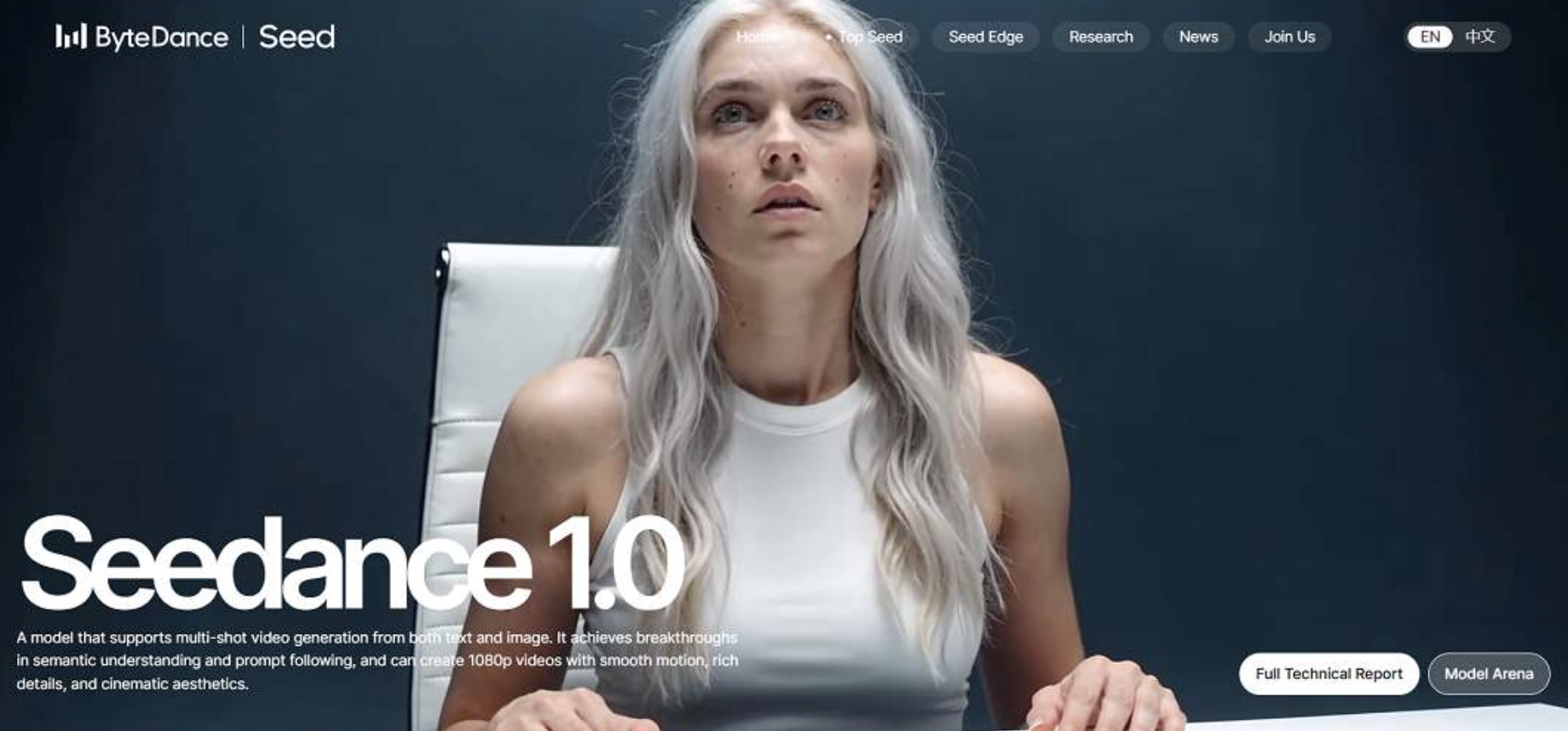
Seedance’s 2.0 model can generate multi-shot videos from a still image. It doesn’t modify existing footage like other AI tools — instead, it creates brand new scenes.
This leads to more polished visuals than typical face swap tools, but introduces a complete lack of creative control. When using a tool like Seedance, you can’t reliably dictate exact actions, settings or delivery. You can’t edit scenes or add your own human touches. The outputs are what you get, and while they’re impressive, they’re not always realistic or authentic.
A lack of personalization can also be an issue for influencers and personality-led creators. A single reference image doesn’t guarantee the same face across multiple outputs, so one AI face swap version of you could speak one way, and could come across completely differently in another video.
Seedance generates a character that resembles you, not a consistent version of you delivering scripted content in your voice and style. For serious creators, this can be really limiting.
Are Face Swap Tools Legal?
Most platform rules in 2026 state that AI-generated or altered content must be disclosed. TikTok requires labeling of manipulated or artificially generated media, especially when it involves real people. Instagram and Meta enforce similar rules, with penalties ranging from content removal to account restrictions.
YouTube requires disclosure both in-video and in metadata when AI is used to alter or generate a person’s likeness. Even when using your own likeness, disclosure rules still apply.
For creators, the safest approach is using tools trained on their own consented footage, which avoids impersonation risks and aligns more cleanly with platform policies.
What Creators Actually Need (But Most Aren’t Searching For)
Most people searching for free face swap tools aren’t trying to swap faces with celebrities or cartoon characters. Instead, they’re looking for a way to create videos without constant filming. They want to appear in content more often, with less effort.
Face swap tools are a workaround for that problem, but they don’t solve it well because:
- Output quality is inconsistent
- Compliance requirements are strict
- Context depends on existing footage
- Results don’t fully look or feel like you
Seedance generates visually strong content, but there’s no consistent voice, delivery or identity.
Why Argil Is the Practical Alternative

Argil takes a different approach by training a model on a short video of you speaking, using fully consented footage that you can film in selfie mode on your phone. The output is not a manipulated version of someone else but a trained model of you, the creator.
Using a tool like Argil makes it easier to align with platform policies. Your content still needs to be labeled as AI-generated, but it avoids impersonation and consent issues.
Argil also preserves your voice, personality and likeness. Unlike face swap tools, which rely on the source video’s audio, Argil generates both visual and vocal identity.
The difference in output is significant. Face swap tools produce one-off composites that vary in quality, whereas Argil produces consistent, repeatable results.
Seedance Face Swap vs Free Video Face Swap Tools: Which Belongs in Your Tool Stack?
Each tool category has a valid use case, but very few tools are actually set up to help professional content creators. Seedance is great at generating illustrative or conceptual videos where identity isn’t critical, and free face swap tools are useful for experimentation, entertainment and non-commercial projects.
But if your content depends on a specific person appearing consistently, neither option is reliable or scalable enough.
That’s where tools like Argil come in. Argil is designed for creators who need to show up regularly without filming, while maintaining their unique identity and staying compliant.
Sign up today to get started with Argil, and enjoy your first 5 days completely free.