CapCut Professional vs AI Video Tools: Which Wins in 2026?
CapCut professional vs AI video tools in 2026: a decision framework by production bottleneck, with pricing, use cases, and an honest verdict.
- capcut professional vs AI video tools is a bottleneck question, not a feature war
- CapCut Pro costs 19.99 dollars a month, Argil Classic costs 39 dollars a month
- CapCut Pro wins when editing is your only friction
- AI cloning wins when filming itself is killing your cadence
- A finished short takes 30 to 60 minutes in CapCut, 5 to 15 with a trained clone
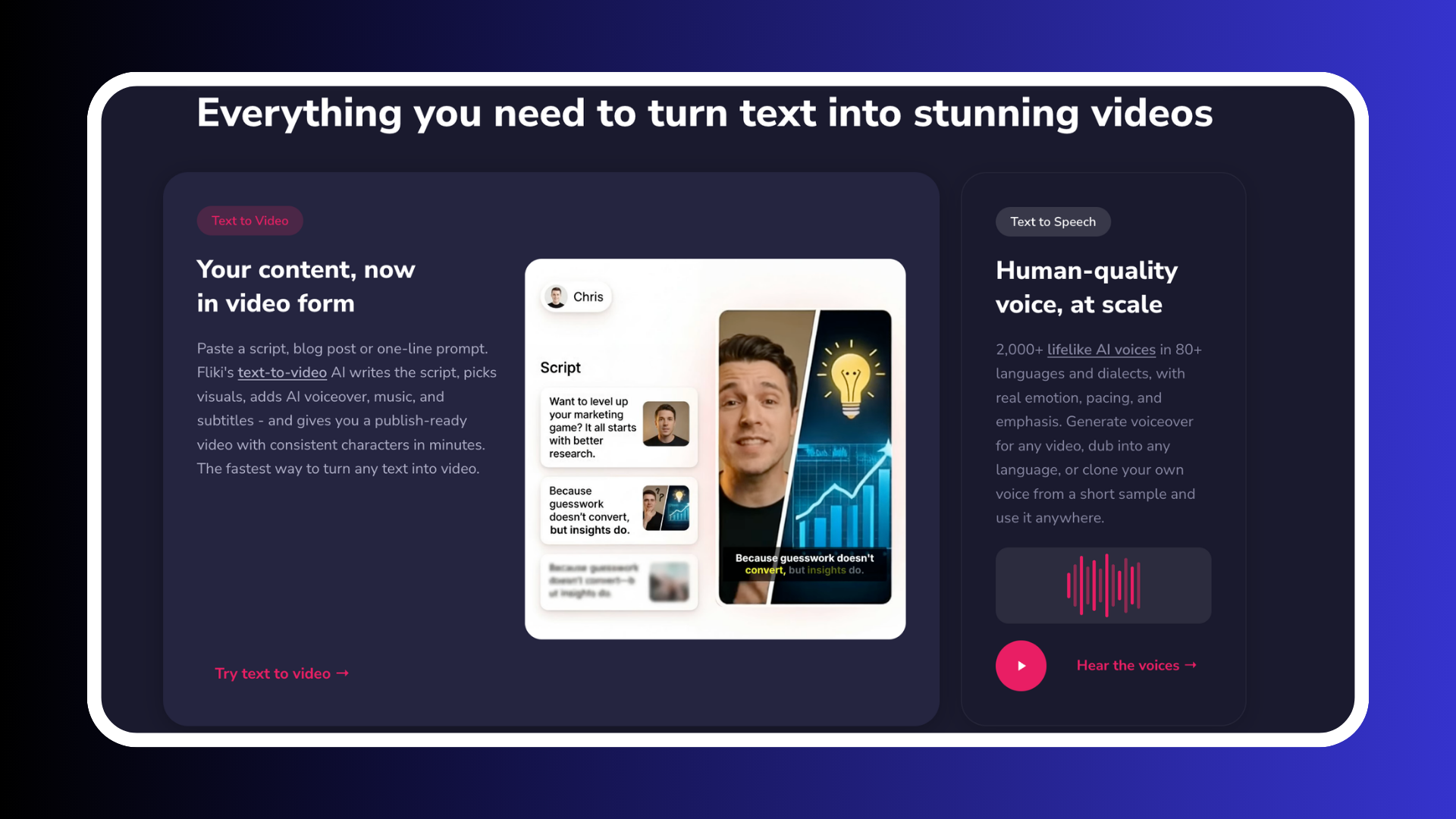
- Argil generates fully edited videos from a script using your own AI clone
CapCut Professional vs AI Video Tools: Which Wins in 2026?
If you searched for capcut professional, you are probably standing at a fork. One path says get better at editing. The other says stop editing and start generating. Both are valid. Picking the wrong one wastes months.
This is not a fight between a good tool and a bad tool. CapCut Pro is excellent at editing footage you already shot. AI video tools solve a different problem, which is needing daily output when you cannot film daily. The real decision comes down to which production constraint is quietly killing your posting cadence, and which tool removes that one.
TL;DR verdict on capcut professional
CapCut Pro is the right choice when filming is fun and editing is the only friction. You already shoot multiple videos a week and the raw footage just piles up unedited, so the thing standing between you and publishing is the cut. Pay the 19.99 dollars a month and learn the editor properly, and you will ship faster.
AI video generation tools, with Argil as the worked example, are the right choice when filming itself is the bottleneck. You want daily output but you cannot record daily. Your value is your expertise, not your willingness to point a camera at your face every morning.
Everything below is built around finding that constraint, not crowning a better editor.
At a glance: capcut professional vs AI generation
The table below maps the two approaches side by side so you can spot the dimension that matters most for you before we go deep on each one.
- Production model: CapCut Pro is film then edit. AI generation is script then generate.
- Time per finished video: roughly 30 to 60 minutes in CapCut, roughly 5 to 15 minutes with a trained AI clone.
- Monthly cost: CapCut Pro is 19.99 dollars a month. Argil Classic is 39 dollars a month.
- Output consistency: CapCut varies with your filming day. AI output is locked to one look every time.
- Daily cadence ceiling: CapCut is capped by your availability to film. AI is capped by your scriptwriting throughput.
- Language coverage: CapCut translates captions. AI clones can speak multiple languages from one source clip.
- Ideal user: CapCut suits on-camera creators. AI suits time-constrained experts.
Head-to-head on each dimension
Same structure for every dimension so you can scan to the one that matters most for you.
Time per finished video
With CapCut Pro you film, then cut and caption the footage before export. The realistic floor for a single short-form video sits around 30 to 60 minutes, and that climbs fast the moment you reshoot a take or chase the perfect b-roll.
With AI cloning in Argil, you write a script and hit generate, then review the output before it publishes. Once your clone is trained, the realistic floor drops to around 5 to 15 minutes. The editing is already done for you, captions and b-rolls included, because it all happens inside the pipeline.
The winner here depends entirely on which step eats your week. If your camera roll is full and nothing is published, editing is your enemy. If you never sat down to film in the first place, filming is.
Monthly cost
CapCut Pro runs 19.99 dollars a month, or 179.99 dollars a year which works out near 15 dollars a month. The cheaper Standard tier sits at 9.99 dollars a month and mostly just removes the watermark.
Argil starts at 39 dollars a month on the Classic plan, with a Pro tier at 149 dollars and a Scale tier at 499 dollars for teams. Annual billing knocks 30 percent off.
The sticker price favors CapCut. Cost per finished video does not. If a slightly higher subscription lets you ship 5 times more videos a week, your cost per published minute drops below CapCut, because the expensive resource was never the software, it was always your time.
Output quality and consistency
CapCut Pro gives you a quality ceiling defined by your editing taste and your filming setup. On a good day the result is sharp. On a tired day with bad light it shows, and that variance is visible across a feed.
Argil produces lower variance. The lighting and the angle stay identical every single time because the clone is locked, and for anyone building a recognizable personal brand that sameness is the point. The flip side is honest to state. AI clones still slip into an uncanny window when the script is wooden, and the fix there is the script, not the tool.
Ease of use and skill curve
Both tools have a short learning curve. The difference is which skill they reward over years. CapCut Pro rewards editing taste, and you can genuinely spend years getting sharper at pacing and visual rhythm.
Argil shifts the rewarded skill. You stop training your editing eye and start training your scriptwriting. The real question is which of those two skills you want to compound for the next 5 years. If you want to become a sharper editor, CapCut. If you want to become a sharper communicator, scriptwriting carries further. This is also where learning to create content without being on camera reframes the whole skill question.
Daily cadence ceiling
With CapCut Pro your ceiling is physical availability to film. A holiday breaks the chain, and so does a sick week or a location change you did not plan for. Every one of those stalls the channel.
With Argil your ceiling is scriptwriting throughput. A creator can batch a week of scripts in a single sitting, generate them all, and schedule the publishing. If your channel depends on daily posts, the cadence ceiling is the dimension that quietly decides everything else, because the algorithm rewards consistency you cannot fake with a burst.
Ideal user
CapCut Pro fits the full-time short-form creator and anyone whose face on camera in a real setting is the actual value. If your differentiator is on-camera energy, you should be filming.
Argil fits the time-constrained expert whose knowledge is the value but who cannot film daily, the real estate agent and the lawyer, the SMB founder building a personal brand on the side. There is also an edge case worth naming. Full-time creators who hit a burnout wall often migrate from CapCut to AI cloning once filming every day stops being sustainable, even though their editing never got worse. The shift from features to outcomes is the same one running through every honest personal brand strategy that actually drives business.
Language coverage
CapCut Pro can auto-translate captions, which helps, but you still film once in the language you speak. Your spoken delivery stays single-language.
Argil lets your clone speak multiple languages from a single source clip. For global brands and multi-market SMBs that is a different reach entirely, not a small convenience. The same multilingual logic powers AI training videos built once and localized many times. On language reach, AI cloning is the clear winner.
Use case scenarios
Here are 3 reader profiles to make the choice concrete.
Choose CapCut Pro if you film 3 or more times a week and you genuinely enjoy editing, especially when your differentiator is on-camera energy or a visual setting people want to see. The editor is your craft and you should sharpen it.
Choose AI cloning if you have real expertise to share but no time to film and you want daily posts without burning out, the typical case for someone scaling a personal brand alongside a day job or client work. The script is your craft and the production is handled.
Choose both if you want anchor pieces filmed in CapCut, the long-form and signature moments, plus daily fill produced with AI cloning. This stacked approach is becoming the dominant creator setup, and it is worth understanding before you commit to one lane. The path many people take is documented in this guide to becoming a content creator in 2026.
Where Argil sits inside the AI side
The AI side stays abstract unless you see one tool work end to end, so here is Argil as the worked example.
You upload a 2 minute clip of yourself once. Argil trains an AI clone from that footage. Then you write a script and Argil generates a fully edited short-form video with your face on screen and the captions and b-rolls already baked in.
The detail that separates it from older AI avatar tools is the built-in editing pipeline. You are not exporting a raw talking head and stitching it back together in CapCut afterward. The finished video comes out the other end. Best results come from expert users with a sharp script, because Argil amplifies taste, it does not invent it. For the editing-replacement angle specifically, this comparison of the best clipping software for content creators is a useful companion read.
Risks and honest limitations on both sides
Trust comes from naming the downside of the path you are leaning toward, so here are both.
On the CapCut side, the first risk is ownership. CapCut is owned by ByteDance, and it was pulled from US app stores in January 2025 under the US foreign-adversary app law before being restored a few weeks later. If you handle regulated content or sell into a US enterprise buyer, that ban history is worth weighing. The second CapCut risk is filming dependence. One bad week and the channel stalls, because nothing in the editor removes the need to record.
On the AI cloning side, the first risk is disclosure. Most audiences accept AI-generated talking-head video, but you should be clear with yours about what is AI generated. The second risk is that weak scripts magnify in AI output. Editing cannot save a bad take, and a clone cannot save a bad script, so the writing carries more weight than it did before.
Final verdict on capcut professional
Close the loop with 5 quick tests you can run in 10 minutes.
Test 1: count how many videos you actually shipped in the last 30 days. If filming is what blocked you, lean AI cloning.
Test 2: open your camera roll. If raw footage is piled up and unedited, you have a CapCut Pro and editing-taste problem, not a filming one.
Test 3: write down your last 5 video ideas. If they need real motion or a location, you need to film. If they are talking-head explainers, your clone can carry them.
Test 4: project a year out. If you want to be the editor, choose CapCut. If you want to be the strategist, choose AI cloning.
Test 5: think about the stack, not the tool. Many creators run both, CapCut for anchor pieces and AI cloning for daily fill. The smartest answer to capcut professional in 2026 is often not one tool, it is the right tool for each production track.
If filming is your wall, the fastest way to test the other path is to upload one 2 minute clip to Argil, write 3 scripts, and see how a week of daily output feels without picking up a camera once.
FAQ
Is CapCut Pro better than AI video generation tools?
They do different jobs. CapCut Pro is the better editor, while AI tools like Argil remove the need to film at all. Pick by which bottleneck is killing your output, editing time or filming time.
Can AI video tools produce the same quality as CapCut Pro?
For talking-head short-form, yes, and often more consistent because the clone is locked to one look. For motion-heavy, location-based, or b-roll-heavy edits, CapCut Pro still wins.
Which is cheaper, CapCut Pro or AI cloning?
Per subscription, CapCut Pro is usually cheaper at 19.99 dollars a month against Argil's 39 dollars. Per finished video at daily cadence, AI cloning often wins, because the time saved per video outweighs the price gap.
Can I use both CapCut Pro and an AI video tool?
Yes, and this is the dominant creator stack now. Use CapCut Pro for anchor pieces that need real filming and AI cloning for daily fill. The two serve different production tracks.
How realistic are AI video clones in 2026?
Realistic enough that most audiences cannot reliably tell when the script is well written. The tells appear when scripts are wooden, not when the clone is rendered. Quality follows the script.
Is it ethical to use an AI clone of yourself?
An AI clone of your own face reading your own script is no different from any pre-recorded video. The ethical line is disclosure to your audience and never using someone else's likeness. Most creators using Argil disclose openly in a bio or pinned comment.
Related Articles
- How to Go Viral on TikTok: The 2026 Guide
- AI Videos That Went Viral
- Faceless Reels: 7 Methods to Create Viral Content
CapCut professional versus AI video generation, decided by your real production bottleneck